
Winter Dog Care: Essential Tips for a Happy Pup
2023-11-24
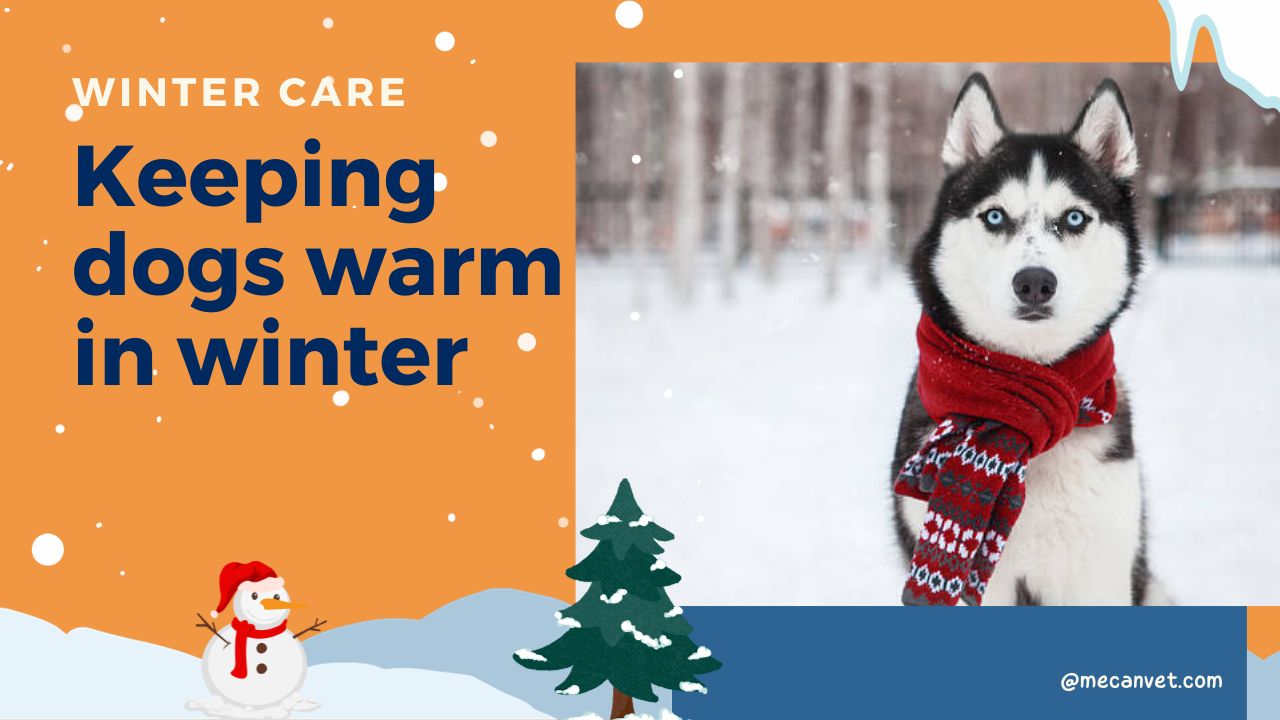 As winter's chill descends, the welfare of our furry friends becomes a top priority. Ensuring the comfort of our canine companions during the colder months involves a comprehensive approach, from understanding their cold tolerance to providing appropriate winter gear and shelter. In this guide, we'll explore each facet of cold weather care for dogs, addressing specific factors that impact their well-being and offering practical solutions.
I. Understanding Canine Cold Tolerance Understanding the factors that influence a dog's tolerance to cold temperatures is crucial for tailoring effective winter care. Several key elements contribute to a dog's ability to withstand colder climates:
Breed:
Different dog breeds have varying levels of cold tolerance. Nordic breeds, such as Siberian Huskies and Alaskan Malamutes, are naturally adapted to colder climates and often have thicker coats that provide better insulation. On the other hand, short-haired breeds may be more susceptible to the cold. Coat Type:
The type and thickness of a dog's coat play a significant role in determining its ability to handle cold weather. Dogs with dense, double coats generally have better insulation, while those with thin or single coats may need additional protection. Size and Age:
Smaller dogs and puppies, as well as older dogs, may struggle more in colder temperatures. Their smaller bodies or reduced ability to regulate body heat can make them more vulnerable to the cold. It's important to consider these factors when planning outdoor activities during winter. Health Condition:
A dog's overall health impacts its ability to cope with colder temperatures. Dogs with underlying health issues may be more sensitive to extreme weather conditions. Regular veterinary check-ups and maintaining good health practices are essential for cold weather resilience. Acclimatization:
Dogs that are regularly exposed to colder temperatures tend to develop a degree of acclimatization. Dogs living in colder regions may adapt better to winter conditions compared to those from warmer climates. Wind Chill and Humidity:
The wind chill factor and humidity levels can significantly affect how cold it feels to a dog. Even if the ambient temperature is within a reasonable range, factors like wind chill can make it feel much colder. Dogs should be protected from strong winds and damp conditions. By considering these factors, pet owners can gain insight into their dog's cold tolerance and make informed decisions regarding winter care. Tailoring preventive measures and adjustments based on individual needs ensures that each dog receives the specific care required to thrive in colder temperatures.
II. Choosing the Right Winter Gear Selecting the appropriate winter gear for your canine companion is a crucial step in ensuring their comfort and protection during colder months. The right gear can make a significant difference in how well your dog handles low temperatures. Here's a comprehensive guide on how to choose and use winter gear effectively:
Consider Your Dog's Breed and Size:
Different breeds have different needs when it comes to winter gear. Larger breeds with dense fur might need less insulation, while smaller or short-haired breeds may require extra protection. Measure your dog's size accurately to ensure a proper fit, preventing discomfort or restricted movement. Insulated Dog Coats:
Look for dog coats that provide insulation without hindering movement. Insulated coats are especially beneficial for breeds with shorter hair or those less adapted to colder climates. Choose a coat that covers your dog's chest and abdomen, as these areas are particularly sensitive to the cold. Water-Resistant Materials:
Opt for winter gear made from water-resistant materials to protect your dog from rain and snow. Wet fur can lead to discomfort and, in extreme cases, hypothermia. Ensure that the gear is both water-resistant and breathable to prevent moisture buildup. Protective Dog Booties:
If your dog will be walking on icy or salted surfaces, protective booties are essential. Look for booties with sturdy soles to shield paws from sharp objects and cold surfaces. Ensure a proper fit and gradually introduce your dog to wearing booties to allow them to adjust. Adjustable Straps and Closures:
Choose winter gear with adjustable straps and closures for a secure and comfortable fit. This is particularly important for items like coats and booties, as a snug fit helps retain body heat and prevents the gear from slipping off during outdoor activities. Reflective Elements:
Winter days are often shorter, and walks may occur during low-light conditions. Opt for gear with reflective elements to enhance your dog's visibility, promoting safety during evening or early morning outings. Layering for Customization:
Depending on the severity of the cold weather, consider layering your dog's clothing. This allows you to adjust their attire based on the temperature. Ensure that additional layers don't impede movement or cause discomfort. Regular Checks and Cleaning:
Regularly inspect your dog's winter gear for signs of wear and tear. Clean the gear as needed to prevent the buildup of dirt and moisture. Maintaining gear in good condition ensures its effectiveness and longevity. Consult with Your Veterinarian:
If you're uncertain about the type of winter gear suitable for your dog, consult with your veterinarian. They can provide guidance based on your dog's specific needs, taking into account factors such as age, health, and breed. III. Creating a Cozy Shelter Recognizing the importance of a cozy shelter for your dog during the winter is fundamental to their well-being. Providing a warm and insulated space offers protection from the harsh elements and ensures that your canine companion remains comfortable. This section will outline the significance of a shelter and provide techniques to winterize existing shelters, along with creative DIY solutions.
Importance of a Cozy Shelter:
Protection from Cold and Wind:
A well-insulated shelter acts as a barrier against cold temperatures and biting winds. This is particularly crucial for dogs that spend extended periods outdoors, helping prevent conditions like hypothermia. Comfort and Stress Reduction:
A cozy shelter provides a sense of security and comfort for your dog. In a sheltered space, they can retreat from the cold and find solace, reducing stress associated with exposure to the elements. Health Maintenance:
Exposure to extreme cold can compromise your dog's health. A warm shelter helps maintain their body temperature, supporting overall health and reducing the risk of cold-related illnesses. Prevention of Frostbite and Hypothermia:
Cold weather can lead to frostbite and hypothermia, especially in vulnerable areas like ears, paws, and the nose. A well-designed shelter helps prevent these conditions by offering a refuge from the cold. Winterizing Existing Shelters:
Insulation:
Enhance the insulation of existing shelters by adding insulating materials such as straw, hay, or blankets. These materials trap heat and provide an additional layer of warmth. Elevated Flooring:
Lift the shelter slightly off the ground to prevent direct contact with cold surfaces. This helps in maintaining a warmer interior by reducing heat loss through the floor. Windbreaks:
Create windbreaks around the shelter using tarps or additional materials. This shields the shelter from strong winds, further improving its ability to retain heat. Sealing Gaps:
Check for any gaps or openings in the shelter and seal them to prevent drafts. Use weather-stripping or additional materials to close gaps without compromising ventilation. DIY Cozy Shelter Solutions:
Insulated Doghouse:
If your dog uses a doghouse, consider insulating it with materials like foam board or reflective insulation. Ensure proper ventilation is maintained while enhancing its insulation. Converted Enclosed Space:
Create a cozy shelter in a covered porch, garage, or unused shed. Provide comfortable bedding and insulation to transform the space into a warm haven for your dog. Hay-Filled Shelter:
For a cost-effective DIY solution, create a shelter using hay bales. Arrange them to form walls and a roof, leaving an opening for your dog to enter. Line the interior with straw for added warmth. Upcycled Materials:
Repurpose materials such as old pallets, crates, or barrels to construct a DIY shelter. Insulate the interior with blankets or foam for added warmth. IV. Nutritional Considerations Maintaining an optimal diet is paramount for your dog's well-being, especially during the colder winter months when their energy requirements may fluctuate. Adjusting their nutrition to support increased energy needs ensures they stay healthy and active. Here's a guide on how to make necessary dietary adjustments to bolster your dog's energy levels during the winter:
1. Assessing Energy Needs:
Take into account your dog's size, age, breed, and activity level to determine their specific energy requirements.
Dogs that spend more time outdoors or engage in vigorous activities may need additional calories to generate heat and maintain energy levels. 2. High-Quality, Nutrient-Rich Food: Choose a high-quality dog food that is nutritionally balanced and provides essential nutrients.
Look for formulations with a higher fat content, as fat serves as a concentrated energy source. However, consult with your veterinarian to determine the appropriate fat levels for your dog's breed and health status. 3. Increased Portion Sizes: Consider adjusting your dog's portion sizes based on their energy expenditure. Dogs burning more calories due to increased outdoor activities may require larger portions.
4. Frequent, Small Meals: Instead of one or two large meals, consider feeding your dog smaller, more frequent meals throughout the day. This can help regulate energy lev warmth.
5. Protein-Rich Diet:
Ensure your dog's diet includes an adequate amount of high-quality protein. Protein is essential for maintaining muscle mass and supporting overall health.
6. Monitoring Body Condition: Regularly assess your dog's body condition. A visual and tactile evaluation can help determine if they are maintaining a healthy weight.
Adjust their food intake accordingly to prevent weight loss or obesity, depending on their individual needs. 7. Hydration: Adequate hydration is crucial even in colder weather. Ensure your dog has access to fresh, unfrozen water at all times.
Dry winter air can lead to increased water loss through respiration, so pay attention to your dog's water consumption. 8. Consultation with a Veterinarian: Consult with your veterinarian to develop a customized winter diet plan for your dog. They can provide guidance based on your dog's specific needs, taking into account factors such as age, health conditions, and activity levels.
9. Incorporating Warm Foods: In colder weather, consider incorporating warm foods into your dog's diet. This can include adding warm water or low-sodium broth to their kibble or providing occasional warm meals.
By tailoring your dog's nutrition to meet their specific energy requirements during the winter, you contribute to their overall health and well-being. Adjustments to their diet based on factors such as size, activity level, and individual needs ensure that they receive the necessary nutrients to stay active and comfortable in colder temperatures. V. Exercise and Mental Stimulation Understanding the importance of regular exercise and mental stimulation for dogs is fundamental to their overall well-being, particularly during the winter months when outdoor activities may be affected by weather conditions. This section will highlight the benefits of exercise and mental stimulation for dogs and provide guidance on adapting outdoor activities based on weather conditions.
1. Importance of Exercise:
Physical Health: Regular exercise is crucial for maintaining your dog's physical health. It helps control weight, promotes cardiovascular health, and supports muscle tone.
Mental Well-being: Exercise is equally important for mental stimulation. It helps prevent boredom, reduces stress and anxiety, and contributes to a well-balanced and contented dog. 2. Outdoor Activities: Walking and Hiking: Daily walks are essential, even in winter. Dress your dog appropriately with protective gear, and be mindful of salt or ice melt on sidewalks. Consider exploring dog-friendly hiking trails for more varied terrain and mental stimulation.
Fetch and Retrieval Games: Engage in games like fetch or retrieval exercises. These activities provide both physical exercise and mental stimulation, keeping your dog active and alert. 3. Adapting to Weather Conditions: Cold Weather Precautions: In extremely cold weather, limit outdoor exposure, especially for short-haired or small breeds. Use doggy coats and booties to protect against the cold, and be attentive to signs of discomfort such as shivering.
Snowy Conditions: Dogs often enjoy playing in the snow. Allow them to explore, but monitor their paws for ice build-up, and be cautious of deep snow, which can be tiring for smaller dogs. Rain and Wet Conditions: Invest in waterproof gear to keep your dog dry during rainy weather. Towel dry your dog after outdoor activities to prevent them from getting chilled. Indoor Activities: On days when outdoor activities are limited, engage your dog in indoor exercises. Interactive toys, puzzle feeders, and obedience training sessions provide mental stimulation. 4. Mental Stimulation Activities: Interactive Toys: Provide toys that dispense treats or require problem-solving. These toys keep your dog mentally engaged, providing an outlet for their natural curiosity.
Training Sessions: Regular training sessions not only reinforce commands but also stimulate your dog's mind. Teach new tricks or reinforce existing ones to keep training sessions engaging. Hide and Seek: Hide treats or toys around the house for your dog to find. This engages their sense of smell and provides a fun and mentally stimulating activity. 5. Monitoring Physical Limits: Be mindful of your dog's physical limits, especially in senior dogs or those with health issues. Adjust the intensity and duration of activities based on their individual needs.
Consider indoor dog-friendly facilities, such as indoor dog parks or play areas, for days when outdoor conditions are challenging. 6. Regular Veterinary Check-ups: Schedule regular veterinary check-ups to ensure your dog is in good health. Discuss their exercise routine with the veterinarian and make any necessary adjustments based on age, health condition, or breed-specific considerations.
By incorporating regular exercise and mental stimulation into your dog's routine, you contribute to their physical and mental health. Adapting outdoor activities to weather conditions ensures that your canine companion remains active and engaged throughout the winter, promoting a happy and well-balanced lifestyle. VI. Health and Safety Precautions Ensuring the health and safety of your dog during the winter months involves identifying common hazards and implementing preventive measures. This section will provide insights into potential dangers and offer practical precautions to safeguard your canine companion.
1. Icy Surfaces:
Hazard: Icy surfaces pose a slipping risk for dogs, leading to injuries such as sprains or fractures. Precaution: Avoid icy areas during walks, especially on slopes. Consider using paw-friendly ice melts on sidewalks, and outfit your dog with booties for added traction. 2. De-Icing Chemicals:
Hazard: Chemicals used to melt ice on sidewalks and roads can be toxic if ingested or cause irritation to paw pads. Precaution: Wipe your dog's paws with a damp cloth after walks to remove potential chemical residue. Consider using pet-safe ice melts on your property. 3. Frostbite:
Hazard: Exposed skin, especially on ears, paws, and the nose, is susceptible to frostbite in extreme cold. Precaution: Dress your dog in protective gear such as coats and booties. Limit outdoor exposure during very cold weather, and monitor for signs of frostbite such as pale or discolored skin. 4. Hypothermia:
Hazard: Prolonged exposure to cold temperatures can lead to hypothermia, causing a drop in body temperature. Precaution: Provide a warm shelter and avoid extended outdoor activities in extremely cold weather. Dress your dog appropriately, and monitor for signs of shivering, lethargy, or weakness. 5. Wet Fur:
Hazard: Wet fur can compromise your dog's ability to retain heat, leading to discomfort and increased susceptibility to cold. Precaution: Use waterproof gear during rainy or snowy conditions, and dry your dog thoroughly after outdoor activities. 6. Limited Daylight:
Hazard: Reduced daylight hours can impact visibility during walks, increasing the risk of accidents. Precaution: Use reflective gear on your dog, such as collars or vests, to enhance visibility during low-light conditions. Consider using LED lights for added safety. 7. Indoor Heating:
Hazard: Indoor heating sources can pose risks, including burns or dehydration due to dry air. Precaution: Ensure your dog has a safe distance from heating sources. Provide ample water to prevent dehydration caused by dry indoor air. 8. Regular Health Checks:
Hazard: Cold weather may exacerbate underlying health conditions. Precaution: Schedule regular veterinary check-ups to monitor your dog's overall health. Discuss any concerns or changes in behavior with your veterinarian promptly. 9. Antifreeze Poisoning:
Hazard: Antifreeze, commonly used in winter, is highly toxic to dogs if ingested. Precaution: Keep antifreeze containers securely stored and clean up any spills immediately. Consider using pet-safe antifreeze alternatives. By incorporating these comprehensive strategies into your winter care routine, you ensure that your canine companion not only endures but thrives during the colder months. Whether it's choosing the right gear, providing a cozy shelter, addressing nutritional needs, or prioritizing health and safety precautions, this guide serves as a roadmap for pet owners to create a warm, healthy, and happy winter environment for their cherished four-legged friends.
|
Navigating the Whys and Hows of Canine Flatulencea
Puppy Weaning: Simple Tips for a Smooth Transition
Related Article

Build a complete veterinary clinic with one-stop equipment planning for imaging, surgery, anesthesia, laboratory testing, recovery, and animal care.
One-Stop Veterinary Clinic Setup Guide: Imaging, Surgery, Lab and Recovery

Learn how to set up a veterinary clinic in 2026 with a complete equipment list for imaging, surgery, lab, recovery, grooming, and daily diagnosis.
How to Set Up a Veterinary Clinic: Complete Equipment List for 2026

