
Winning Tips for Dog Joint Care
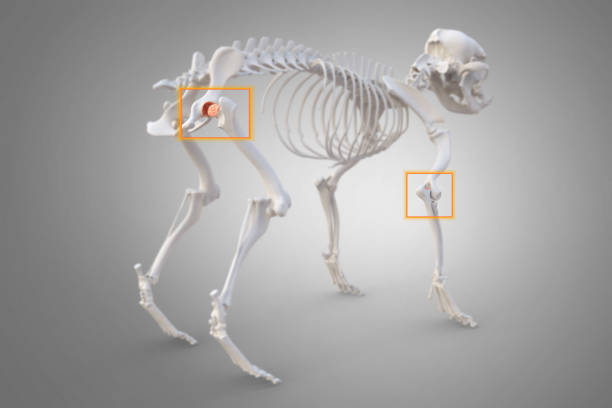 Joint care is essential for dogs of all ages, not just seniors. Factors like genetic predisposition, past injuries, and regular activity levels can all contribute to joint issues in dogs. To ensure our furry friends can romp and play with ease, it's crucial to incorporate joint care techniques into their daily routines. 1.Use Non-Slip Mats Slippery floors not only pose a risk of falls but also increase the strain on your dog's joints. Whether your dog is sprinting around or making sudden stops, slippery surfaces can lead to accidents and potential injuries. To mitigate this risk, consider laying down non-slip mats to provide better traction for your dog's paws. Not only will this reduce noise levels and improve neighborly relations, but it will also help your dog maintain stability and avoid injuries caused by slipping on smooth surfaces. Additionally, offering alternative resting surfaces, such as cushioned mats or rugs, can provide relief for dogs, especially larger breeds prone to joint wear and tear due to their weight. 2.Limit Stair Climbing The pressure on a dog's joints while ascending and descending stairs can be up to 6-7 times their body weight, leading to wear and tear on the spine and joints. It's best to minimize stair climbing, particularly for short-legged breeds and overweight dogs. Instead, consider carrying them up and down stairs, if possible, to reduce strain on their joints. Stair climbing should not be used as a weight loss method, especially for dogs with physical limitations. 3.Maintain a Healthy Weight While chubby pups may look adorable, excess weight can exacerbate joint issues. Obesity puts added strain on the joints, accelerating wear and tear and increasing the risk of arthritis and other joint conditions. Ensure your dog maintains a healthy weight through a balanced diet and regular exercise. Consult with your veterinarian to develop a weight management plan tailored to your dog's needs and lifestyle. 4.Encourage Moderate Exercise Regular, moderate exercise is essential for keeping your dog's joints healthy and flexible. Activities like playing fetch or going for walks help maintain joint mobility, strengthen muscles, and provide mental stimulation. However, be mindful of your dog's age, breed, and physical condition when engaging in exercise. Not all dogs are suited for high-impact activities like frisbee-catching. For instance, long-bodied breeds like Dachshunds may be prone to spinal injuries from jumping activities. 5.Incorporate Joint Health Supplements Many dogs are predisposed to joint issues due to genetic factors or aging. Supplements containing ingredients like green-lipped mussel, glucosamine sulfate, chondroitin sulfate, dimethylglycine (DMG), manganese, and methylsulfonylmethane (MSM) can support joint health and reduce inflammation. These supplements help maintain cartilage integrity, reduce pain, and improve joint function. Consult with your veterinarian to determine the most suitable joint health supplements for your dog based on their specific needs and condition. 6.Ensure Comfortable Living Environment Creating a comfortable living environment is essential for supporting your dog's joint health and overall well-being. Provide soft and supportive bedding, such as orthopedic dog beds, to cushion your dog's joints while resting. Non-slip flooring can also help prevent slips and falls, reducing the risk of joint injuries. Make sure your dog has easy access to food, water, and rest areas, with minimal need for climbing stairs or navigating obstacles. Consider installing ramps or steps to help your dog access elevated surfaces like beds or couches without straining their joints. By creating a safe and comfortable environment, you can help alleviate stress on your dog's joints and promote their overall comfort and mobility. 7.Regular Veterinary Check-ups and Monitoring Regular veterinary check-ups are essential for monitoring your dog's joint health and detecting any issues early on. Your veterinarian can perform thorough physical exams, assess your dog's mobility, and recommend appropriate treatments or interventions as needed. During check-ups, be sure to discuss any changes in your dog's behavior, mobility, or comfort level. This information can help your vet identify potential joint problems and develop a tailored care plan to address them effectively. By staying proactive and vigilant, you can help ensure your dog maintains optimal joint health and enjoys a high quality of life for years to come. By implementing these five winning tips for dog joint care, you can help your furry companion lead a longer, happier life free from joint discomfort. Remember, proactive joint care is essential for dogs of all ages and breeds. By prioritizing their joint health, you can ensure they continue to enjoy running, jumping, and playing to their heart's content. |
Intraocular Pressure (IOP) Measurements in Animals
12 Best Dog Treats for Bad Breath
Related Article


