
Why Is My Dog Panting? Analyzing the 5 Top Causes and Prevention Tips
|
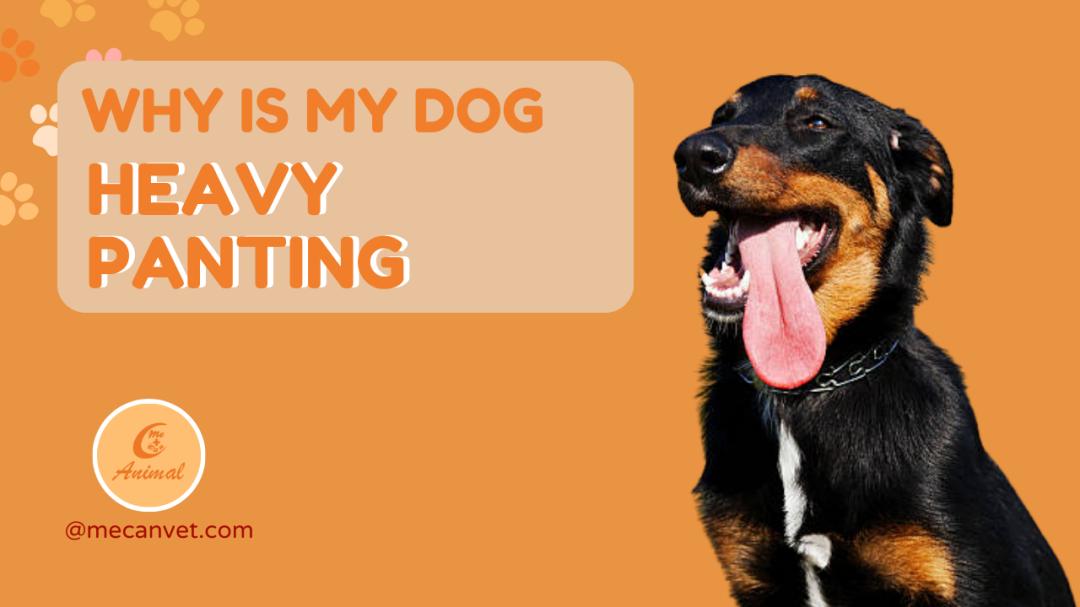
As a dog owner, you may feel anxious and worried when hearing your beloved furry friend suddenly panting. Indeed, frequent panting in dogs indicates potential problems with their respiratory system, requiring attention and timely treatment. To treat the root of the problem instead of just the symptoms, we first need to understand - what are the major causes of chronic panting in dogs. Today I'm going to analyze 5 main reasons for dog panting and provide corresponding preventive measures.
Cause One: AsthmaLike humans, dogs can suffer from asthma too. Asthma leads to airway hypersensitivity and inflammation, resulting in breathing difficulties and panting. Severe cases may also show symptoms like vomiting and coughing. During an asthma attack, we need to keep the dog in a relaxed position and provide nebulized therapy to soothe the airways. In daily life, choose dust-free and mold-free soft dog beds and toys, and regularly clean and disinfect the home to reduce irritating particulates that can trigger asthma attacks. Cause Two: Heart DiseaseDogs can have different forms of heart disease leading to insufficient blood pumping by the heart, causing oxygen shortage and panting. For example, mitral valve prolapse prevents proper blood flow while pulmonary edema affects oxygen exchange. Regular heart checks are needed and medications like diuretics or heart drugs may be prescribed as appropriate. Owners should control their dog's weight, and avoid long-term congestion pressing on the heart; proper diet and exercise also benefit heart health. Cause Three: ObesityObesity in dogs is another major cause of breathing difficulties. Excess weight increases chest pressure, straining supply to the heart and lungs, hence leading to panting. Prevention includes rationing food appropriately and not overfeeding; and increasing exercise to raise basal metabolic rate. For overweight dogs, gradual weight loss is needed with regular monitoring of weight changes. Cause Four: High TemperatureDogs tend to overheat and have breathing issues in high-temperature environments. Brachycephalic breeds are especially susceptible. Timely cooling and sufficient hydration to prevent dehydration are necessary. Cooling mats in well-ventilated areas can also help dogs dissipate heat. Consider air-conditioning or electric fans for long-term high temperatures. Cause Five: Anxiety and FrightPanting is common when dogs experience anxiety, overexcitement, or fright. It's due to autonomic nervous system responses causing rapid heartbeat and breathing. Calming the dog as much as possible, removing it from the source of fear, distraction, and proper conditioning training help. Anxiety medication prescribed by the vet can also help stabilize mood. In summary, there are diverse causes of dog panting, some preventable through environmental control and diet, some requiring regular checks and medication. In any case, pay close attention to breathing changes and seek timely medical care for noticeable distress. Meanwhile, proactive health management also helps reduce occurrence. A dog's respiratory health requires combined efforts of the owner and vet for long-term stability. |
Getting to Know Our Friend - Dogs
Anesthetic Methods for Animal Surgery
Related Article


