
Respiratory Anesthesia: The Safe Choice for Pet Medical Care
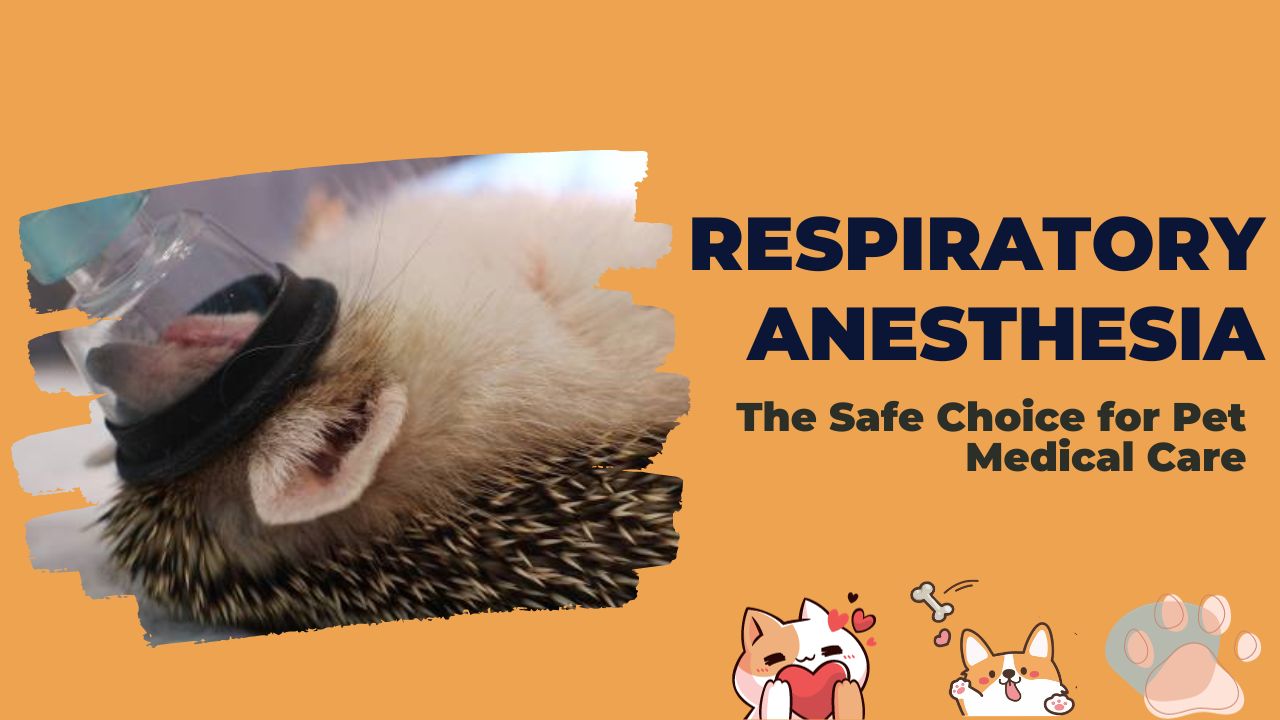 Ensuring the well-being of our beloved pets is a priority for every pet owner. When it comes to medical procedures, especially surgeries, we seek the safest and most effective methods to provide them with the care they deserve. One such method that has gained immense support within the veterinary community is respiratory anesthesia. But what exactly is respiratory anesthesia, and why do veterinarians strongly advocate for it? In this article, we'll explore the principles, advantages, and profound impact of respiratory anesthesia on pet medical care.
I. The Basic Principles of Respiratory Anesthesia Respiratory anesthesia is a method that distinguishes itself from other forms of anesthesia through the inhalation of anesthetic gases by pets rather than the administration of anesthetic drugs via injection. This fundamental difference lies at the core of respiratory anesthesia. The process involves delivering anesthetic gases into the pet's respiratory system, which are subsequently expelled through the respiratory tract. This mechanism offers precise control, allowing veterinarians to adjust the depth of anesthesia to suit the unique requirements of each pet. II. Why Respiratory Anesthesia is a Safe Choice Respiratory anesthesia earns its strong recommendation from veterinarians due to several key advantages that make it the safest choice for pet medical care. Firstly, it offers a relatively stable physiological impact on pets. Compared to alternative anesthesia methods, respiratory anesthesia exerts a milder influence on the stability of the cardiovascular and respiratory systems, reducing risks during surgical procedures. This aspect is especially crucial when dealing with pets with pre-existing cardiovascular or respiratory conditions. Secondly, respiratory anesthesia boasts rapid onset and recovery. Pets undergo anesthesia quickly following its administration and recover promptly post-surgery or treatment. This shortened anesthesia duration reduces the time pets spend under its influence, effectively minimizing potential risks. Thirdly, respiratory anesthesia can be finely tuned to match each pet's specific requirements. Veterinarians can precisely control the concentration of anesthetic gases, ensuring that the pet remains at an optimal anesthetic level throughout the entirety of the surgical or treatment process. This personalized approach serves to minimize risks while providing the pet with the essential benefits of pain control. III. Clinical Applications of Respiratory Anesthesia Respiratory anesthesia finds extensive application in various aspects of pet medicine, playing a pivotal role in numerous contexts. Firstly, it is a staple during surgeries of all kinds. Respiratory anesthesia empowers veterinarians to perform a wide range of surgical procedures, encompassing internal surgeries, external surgeries, and dental treatments, all while keeping the pet in a controlled anesthetic state. The precision of respiratory anesthesia allows veterinarians to fine-tune the anesthesia level during surgery, ensuring the pet's safety and comfort. Secondly, respiratory anesthesia is invaluable for diagnostic imaging procedures. When pets require X-rays, MRI scans, or CT scans, respiratory anesthesia helps maintain the necessary stillness for obtaining clear and accurate images. Additionally, respiratory anesthesia shines in complex surgeries. For instance, in lengthy surgical procedures, respiratory anesthesia reduces the overall time the pet spends under anesthesia, thereby lowering surgical risks. IV. The Role of Pet Owners Despite the numerous advantages of respiratory anesthesia, pet owners still play a crucial role in the process. When a pet requires surgery or treatment, it is imperative for pet owners to actively cooperate with veterinarians, understanding and supporting the decision to employ respiratory anesthesia. Firstly, pet owners should engage in discussions with veterinarians about the safety and feasibility of respiratory anesthesia. Veterinarians will provide detailed explanations regarding the rationale for choosing respiratory anesthesia and its manifold benefits. During this dialogue, pet owners should feel encouraged to ask questions to ensure a comprehensive understanding. Secondly, pet owners' cooperation is indispensable. In preparation for surgery or treatment, veterinarians may request pet owners to undertake certain measures, such as fasting, to ensure the procedure's success. Finally, pet owners should vigilantly monitor their pet's recovery process. Should pets display any unusual symptoms, pet owners should promptly contact their veterinarian. V. Timely Notification of Abnormalities to Vets When abnormalities like increased heart rate or decreased blood pressure are observed on the monitor, caregivers should immediately inform the attending vet. Vets can then judge changes in medical conditions based on the results, and adjust treatment plans accordingly. If necessary, blood tests can be done to identify the causes of abnormalities. Early detection and treatment can prevent deteriorating conditions and even save lives. VI. Recording Monitored Data as Medical History Continuous long-term monitoring with veterinary monitors can collect large amounts of accurate vital sign data. Keeping records of these data as important medical history provides vets with further information to analyze medical condition changes and evaluate treatment efficacy, aiding future treatment planning. Respiratory anesthesia stands as a highly recommended method of anesthesia within the realm of pet medicine, offering a multitude of advantages that significantly contribute to the health and well-being of pets. By comprehending the principles, safety aspects, and clinical applications of respiratory anesthesia, pet owners gain a deeper appreciation for why veterinarians wholeheartedly endorse this anesthesia method. Nevertheless, active engagement from pet owners and collaborative efforts with the veterinary team remains essential to ensuring that pets receive the finest medical care during surgery or treatment. Let's join forces to champion the health and happiness of our cherished pets. |
Animal Protection and Rabies
Veterinary Rebound Tonometers: Safeguarding the Ocular Health of Animals
Related Article


