
Cats in Labor: Navigating the Decision for a C-section
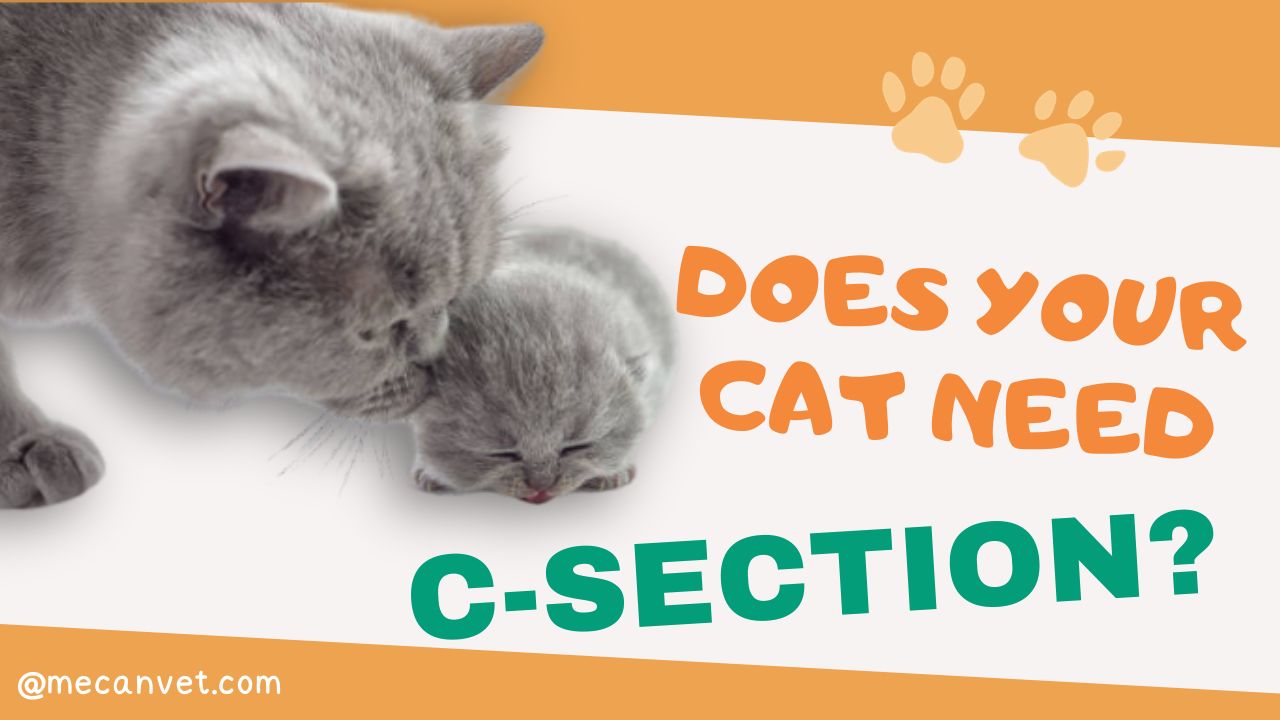 Cats, as our beloved companions, have always been a subject of keen interest, especially when it comes to their reproduction. During a cat's pregnancy, there are situations where a Cesarean section, or C-section, may be necessary to ensure the safety of the mother cat and her kittens. In this comprehensive article, we will delve into the circumstances under which cats require a C-section and why this procedure becomes the essential choice.
Part I: Differentiating Natural Birth from Cesarean Section Before discussing when a C-section is necessary, let's understand the fundamental differences between natural birth and Cesarean section. Natural birth involves the mother cat delivering her kittens through the natural birthing process, whereas a C-section is a surgical procedure that extracts the kittens from the mother's uterus. Natural birth is generally the ideal route, but sometimes, due to specific conditions, a C-section might be the safer choice. Natural birth in cats is a marvel of nature, where instincts and maternal behaviors play a significant role. When a mother cat goes into labor, she typically seeks a quiet and secure place to give birth, such as a hidden corner or a cozy cardboard box. She will begin to purr and groom herself as her body prepares for the birth process. The contractions start, and the mother cat pushes the kittens out, one by one. This is a beautiful and usually trouble-free process that allows the mother cat to bond with her kittens immediately after birth. However, in some instances, nature needs a little assistance, and this is when a C-section comes into play. Part II: When a C-section is Necessary 2.1 Dystocia
Dystocia, or difficult birth, can occur when the mother cat is unable to deliver the kittens naturally. This can be due to kittens being too large, the mother cat having a narrow pelvic opening, or the kittens being positioned incorrectly. In such cases, a C-section is the only means to save the lives of the mother cat and her kittens. Consider a case where a Siamese cat named Bella was in labor, but despite hours of intense contractions, she could not deliver her first kitten. Her distress and exhaustion were evident. Upon examination by a veterinarian, it was discovered that the kitten's position was breached, making natural birth impossible. Bella underwent a successful C-section, saving her and her kittens.
2.2 Fetal Distress or Complication
There are instances where the kittens might experience fetal distress or complications inside the uterus, making it impossible for them to breathe or receive enough oxygen. In such cases, a prompt C-section can save the kittens' lives. A similar scenario was seen with Luna, a Persian cat, who was in labor, but her kittens' heart rates were dropping, indicating fetal distress. Luna was rushed to the veterinary clinic, where a C-section was performed, ensuring the kittens received the vital care they needed.
2.3 Complications
Throughout the pregnancy and birthing process, mother cats might encounter various health issues such as uterine infections, uterine ruptures, or internal bleeding. These complications might necessitate a C-section to prevent the condition from deteriorating. An example is the case of Whiskers, a Maine Coon, who developed a uterine infection during her pregnancy. The infection compromised her health and made a natural birth extremely risky. Whiskers had a successful C-section, and her kittens were born healthy.
2.4 Advanced Maternal Age
Pregnancy in older cats can lead to increased difficulties during labor due to the aging of the reproductive system. In such cases, a veterinarian may recommend a C-section to reduce the risks for both the mother cat and her kittens. Tigger, a 10-year-old tabby cat, became pregnant unexpectedly. Due to her age, there were concerns about her ability to deliver kittens naturally. After thorough examination and consultation with a veterinarian, it was decided that a C-section was the safest choice. Tigger and her kittens went through the procedure smoothly.
Part III: Risks and Benefits of a C-section 3.1 Risks
A C-section is a surgical procedure, and therefore, it carries inherent risks, including infection, bleeding, anesthesia reactions, and more. Additionally, the recovery period for the mother cat is often longer, requiring special care. It's important to acknowledge the potential complications that can arise from a C-section. Infections, though rare, can occur at the surgical site. Close monitoring and postoperative care are crucial to ensure the mother cat's health during the recovery period. Veterinary guidance is essential for recognizing and addressing these risks promptly.
3.2 Benefits
The primary advantage of a C-section is the ability to rapidly save the lives of the mother cat and her kittens. In emergency situations, it is an indispensable method. Furthermore, a C-section ensures that all kittens survive because they do not have to endure the compressive forces of natural birth. The benefits of a C-section are most evident in life-or-death scenarios. It provides a controlled environment for the delivery of kittens, making it an essential choice when complications arise. Without a C-section, many of these kittens and their mothers would face dire consequences. Part IV: Performing a C-section and Postoperative Care 4.1 Surgical Procedure
A C-section should be performed under the supervision of a veterinarian. The surgery typically involves a small incision to remove the kittens from the uterus. Post-operation, the mother cat requires specialized care and monitoring. The surgical procedure for a C-section is a delicate and precise operation. It involves making a small incision in the mother cat's abdomen, typically near the flank. Through this incision, the veterinarian carefully extracts the kittens from the uterus, one by one. Special attention is given to ensuring the kittens are breathing and in good health. The mother cat is also closely monitored during the procedure to address any complications promptly.
Following the surgery, the incision site is sutured, and the mother cat is allowed to recover from anesthesia. She is then reunited with her kittens, and the bonding process begins.
4.2 Kitten Care
Kittens are often placed with the mother cat after surgery to facilitate early bonding. Veterinarians may provide bottle feeding for the kittens until the mother cat recovers and can care for them herself. The immediate postoperative care for kittens involves keeping them warm, monitoring their vital signs, and ensuring they are feeding adequately. While the kittens' early bonding with their mother is essential for their social and emotional development, their health and nutrition are of utmost importance during the initial hours after birth.
Veterinarians and experienced breeders play a crucial role in providing the necessary care and guidance during this critical period. They often use specialized kitten milk replacers and feeding techniques to ensure the kittens thrive during their early days.
Part V: Preventive Measures to Avoid C-sections 5.1 Regular Veterinary Check-ups
Routine veterinary examinations can help identify potential issues early, reducing the risk of needing a C-section. Regular veterinary check-ups are a fundamental aspect of feline healthcare, and they take on even greater significance during pregnancy. Through these check-ups, veterinarians can closely monitor the mother cat's health and the development of the kittens. Early detection of any complications or concerns allows for timely intervention, reducing the likelihood of requiring a C-section.
The check-ups typically involve physical examinations, ultrasound scans, and discussions about the mother cat's overall well-being and nutritional needs. Monitoring the progress of the pregnancy and addressing any emerging issues can make a significant difference in the birthing process.
5.2 Breeding at the Right Age
Avoid breeding cats that are too old, as advanced maternal age increases the likelihood of complications during labor. Feline age plays a significant role in the ease of pregnancy and labor. While there is no universally defined age at which cats are considered too old for pregnancy, the overall health and condition of the mother cat are vital considerations. In general, it's advisable to avoid breeding cats that are in their senior years or those that have age-related health concerns.
A responsible approach to breeding involves assessing the mother cat's age and health before planning a pregnancy. This consideration, along with guidance from a veterinarian, can help reduce the chances of complications that may lead to a C-section.
5.3 Nutrition and Health
Providing proper nutrition and healthcare to the mother cat during pregnancy ensures her well-being. The health and nutrition of the mother cat during pregnancy are paramount. Maintaining an optimal body condition and providing a balanced diet is essential for her overall well-being and the well-being of her kittens. Consultation with a veterinarian or feline nutritionist is advisable to ensure that the mother cat receives the necessary nutrients for a healthy pregnancy.
Additionally, preventive healthcare, such as vaccinations and deworming, should be up to date. This helps in preventing potential infections and complications during pregnancy. Routine veterinary care and attention to the mother cat's comfort and mental well-being contribute to a smoother pregnancy and labor process
Cats' reproductive processes are complex and fascinating, but occasionally, situations arise that necessitate a Cesarean section. A C-section is an emergency surgical procedure, often employed to save the lives of the mother cat and her kittens. By understanding the situations in which a C-section is necessary and taking preventive measures, we can ensure the health and safety of our feline companions during the remarkable journey of motherhood.
|
|
|
Tackling Canine Obesity for a Healthier, Happier Dog
Why Do Cat's Eyes Become Different Sizes
Related Article


