
Veterinary Rebound Tonometers: Safeguarding the Ocular Health of Animals
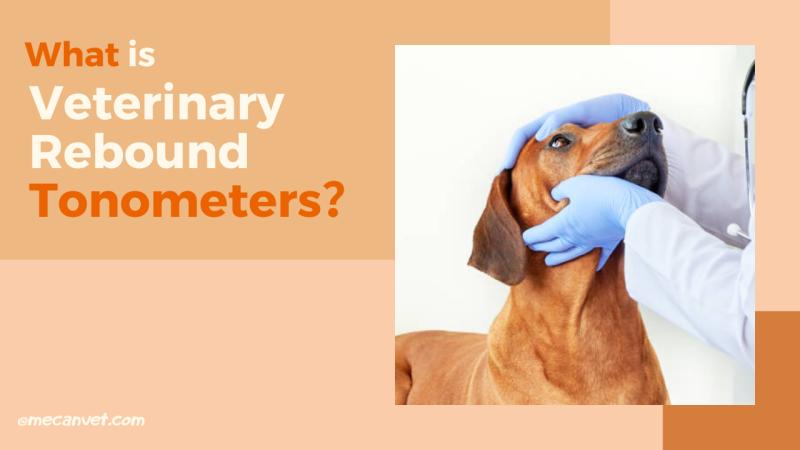 The eyes are vital organs in the lives of animals, playing a critical role not only in vision but also as potential indicators of various diseases. Protecting the ocular health of animals is of paramount importance in veterinary medicine and animal ophthalmology research. In this regard, canine rebound tonometers have become indispensable tools.
I. Fundamental Principles of Rebound Tonometers Rebound tonometers are medical devices used for measuring intraocular pressure (IOP). They determine IOP by measuring the speed at which the eye rebounds after slight indentation. This principle is based on the pressure of the aqueous humor inside the eye. As intraocular pressure increases, the eye becomes stiffer, resulting in a slower rebound speed. These devices record the eye's rebound speed and then convert it into a corresponding IOP value, which can be analyzed and interpreted by doctors or veterinarians. II. The Importance of Veterinary Ophthalmic Diagnosis In veterinary medicine, measuring the IOP of animals is of great significance. Changes in IOP can serve as early indicators of some ocular diseases, particularly glaucoma, which can lead to blindness. By timely measuring IOP, veterinarians can diagnose and monitor the ocular health of animals, allowing for appropriate treatment measures to be taken. III. Different Needs of Different Animal Species Different animal species have varying requirements when it comes to IOP measurement. Mammals, birds, and reptiles have distinct eye structures and ranges of IOP. For instance, avian species typically have higher IOPs, while reptiles tend to have lower IOPs. Therefore, canine rebound tonometers must be designed to accommodate the diverse sizes and shapes of animal eyes, ensuring measurement accuracy. IV. Design of Rebound Tonometers he design of canine rebound tonometers takes into account the size and shape of the eyes of different animals. They typically come with adjustable probe heads to adapt to the eyes of various animals, ensuring measurement accuracy. These devices also employ painless measurement methods to minimize discomfort for animals. V. Applications of Rebound Tonometers Rebound tonometers find extensive applications in veterinary medicine. They are used to detect and monitor ocular diseases such as glaucoma, corneal ulcers, and cataracts. Furthermore, they aid in assessing eye health, especially in veterinary ophthalmology research. These devices provide invaluable tools for animal healthcare, enhancing the effectiveness of treatments and the quality of life for animals. In conclusion, the design of canine rebound tonometers is a critical aspect of safeguarding and maintaining the ocular health of animals. By considering factors such as adaptability to different eye sizes and shapes, painless measurement, accurate instrumentation, and ethical considerations, these devices play a pivotal role in veterinary medicine and animal research. |
Respiratory Anesthesia: The Safe Choice for Pet Medical Care
Exploring Canine Food Aversion: Understanding Why Dogs Won't Eat
Related Article


