
Welcome to MeCan Vet

qr Code Url

Scan qrcode to view mobile website

    Home Highlights Industry News What is Veterinary Pet Blood Tests
    What is Veterinary Pet Blood Tests

    2024-04-30
    What is Veterinary Pet Blood Tests
     
    As pet owners, we are always deeply concerned about the health of our pets. However, when faced with complex issues such as pet healthcare, we may feel confused and uncertain. Among these, the significance and purpose of pet blood tests as an important part of pet health assessment are worthy of deeper understanding. This article explores the importance of pet blood tests, helping pet owners better understand and pay attention to their pets' health.
     

    I. What is a Pet Blood Test?

    A pet blood test is a routine examination that involves collecting a sample of the pet's blood and analyzing it. It provides crucial information about the pet's health by measuring and evaluating various indicators in the blood. These indicators include but are not limited to the following aspects:
    Red Blood Cell Count (RBC): Red blood cells are crucial cells that carry oxygen to various parts of the body. Red blood cell count is used to assess the pet's oxygen delivery capacity and anemia status.

    • White Blood Cell Count (WBC): White blood cells are essential components of the pet's immune system. White blood cell count helps evaluate whether the pet has an infection or inflammation response.
    • Hemoglobin Level (Hb): Hemoglobin is an important protein in red blood cells responsible for carrying oxygen to the body. Hemoglobin level reflects the degree of anemia in pets.
    • Platelet Count (PLT): Platelets are tiny cell fragments in the blood that play important roles in blood clotting. Platelet count helps assess the pet's clotting ability.
    • Other Blood Indicators: Pet blood tests may also include measurements of other blood indicators such as hematocrit (HCT), mean corpuscular volume (MCV), mean corpuscular hemoglobin concentration (MCHC), etc., providing more comprehensive health assessment information.

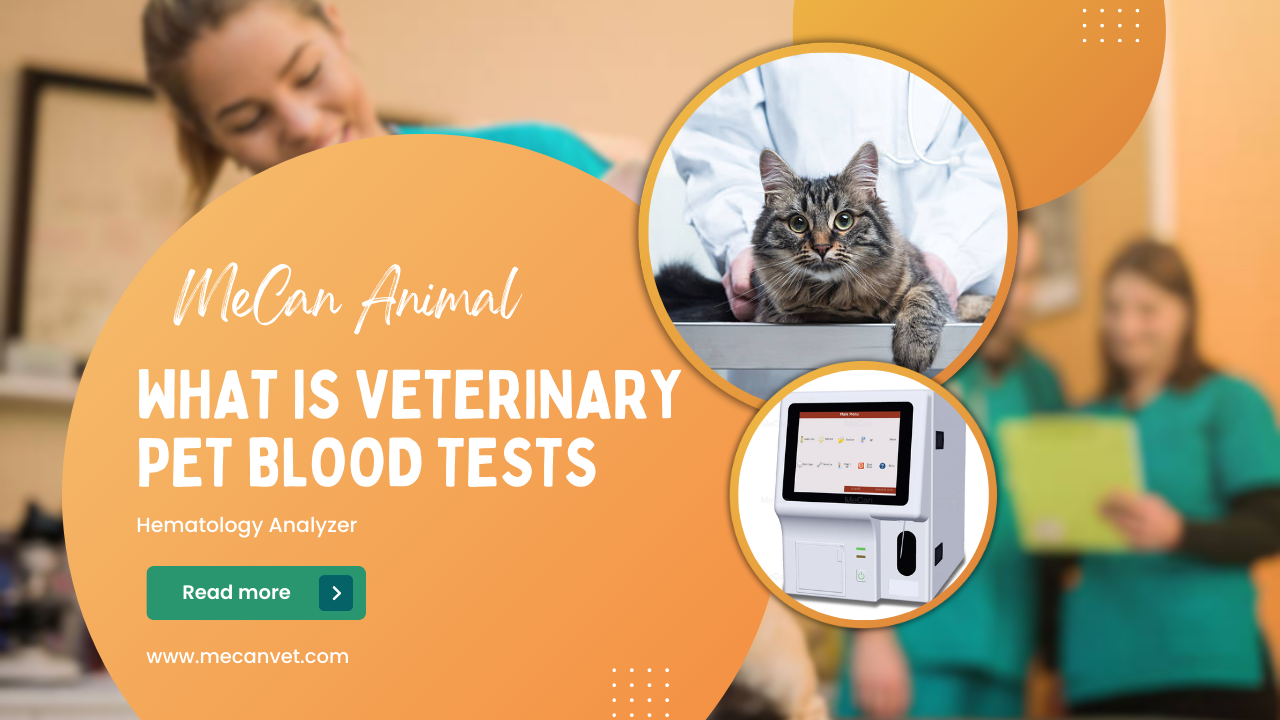
    These blood indicators are typically measured using professional blood analyzers. Modern pet medical equipment, such as fully automated blood analyzers, can rapidly and accurately measure these indicators, providing veterinarians with reliable diagnostic information. By analyzing these blood indicators, veterinarians can understand the overall health status of pets, timely detect potential health problems, and formulate appropriate treatment and management plans to ensure the health and happiness of pets.

    II. Why Do Pets Need Blood Tests?

    The significance and purpose of pet blood tests are multifaceted. In addition to the assessment of health status, diagnosis of diseases, and monitoring of treatment effects mentioned above, blood tests can also help veterinarians screen for potential health risk factors, further improving the health level of pets. Here are some potential health problems that blood tests may help detect:
     
    • Kidney Function Abnormalities: Indicators such as creatinine and blood urea nitrogen in the blood can reflect the pet's kidney function. Abnormal blood indicators may suggest kidney function abnormalities, such as nephritis or kidney stones. Early detection of kidney function abnormalities can help take measures to slow the progression of the disease and improve treatment effectiveness.
    • Liver Function Abnormalities: Indicators such as liver enzymes and bilirubin in the blood can reflect the pet's liver function. Specific abnormalities in blood indicators may indicate liver function abnormalities, such as hepatitis or liver damage. Early detection of liver function abnormalities can help formulate appropriate treatment plans and reduce the degree of liver damage.
    • Diabetes Risk: Blood glucose levels can reflect the pet's blood sugar levels. Abnormal blood glucose levels may indicate a risk of diabetes in pets. By regularly monitoring blood glucose levels, potential diabetes problems can be detected early, and measures can be taken for treatment and management.
    By regularly conducting blood tests, potential health problems can be detected early, helping to take timely measures for treatment and management, improving the quality of life and health level of pets. Therefore, pet owners should attach importance to blood tests and regularly take their pets to veterinarians for examination to ensure their health and happiness.
     

    III. Significance of Blood Tests

    The significance of pet blood tests is multifaceted, including:
    Assessment of Anemia: Through red blood cell concentration and red blood cell count, veterinarians can assess whether pets are anemic and the degree of anemia, thus taking timely treatment measures to ensure the pet's oxygen delivery capacity and health status.

    • Detection of Infection and Inflammation: White blood cell count is an important indicator to assess whether pets have infection or inflammation responses, helping veterinarians timely detect and handle potential health problems, protecting pets from disease invasion.
    • Assessment of Immune System Function: White blood cell count and classification can reflect the pet's immune system function, helping veterinarians evaluate the pet's immune status, and formulate corresponding preventive measures to enhance the pet's resistance and reduce disease risks.
    • Monitoring of Treatment Effects: Regular blood tests can help veterinarians monitor the effects of drug treatment, adjust treatment plans timely, ensure the best treatment results for pets, and accelerate the recovery process.
    • Early Detection of Diseases: Blood tests can help detect potential health problems early, such as kidney function abnormalities, liver function abnormalities, etc., helping to intervene and treat timely, improve the quality of life and prognosis of pets. Early detection and treatment of health problems can alleviate pets' suffering and maximize their lifespan.

    Through blood tests, pet owners can have a more comprehensive understanding of their pets' health status, timely detect potential health problems, and take corresponding measures to protect their pets' health and happiness. Therefore, regular blood tests are one of the responsibilities that every pet owner should attach importance to.

    IV. Conservation Status:

    Finally, close cooperation with veterinarians is also the key to ensuring pet health. Veterinarians are professionals with rich experience and knowledge who can provide the best medical care for pets. Therefore, if you have any concerns or questions about pet health, please do not hesitate to communicate with veterinarians, seek professional advice, and help.

    • Regular Check-ups: Regular health checks are an essential part of ensuring pet health. Veterinarians can conduct comprehensive physical examinations, assess the pet's overall health status, and timely detect potential health problems.
    • Follow Veterinarians' Advice: Under the guidance of veterinarians, formulate a health management plan suitable for pets. This may include vaccination, nutritional diet, moderate exercise, etc., to ensure the health and happiness of pets.
    • Regular Check-ups and Blood Tests: Follow veterinarians' advice, regularly conduct blood tests to help timely detect potential health problems and take appropriate treatment measures.
    • Pay Attention to Pet Behavior: Pet owners should observe the pet's behavior and habits closely, promptly detect abnormal situations, and report to veterinarians in a timely manner for handling.
    • First Aid Knowledge: Learn basic pet first aid knowledge to provide timely assistance and rescue for pets in emergencies, minimizing injuries.

    Close cooperation with veterinarians can not only safeguard pet health but also establish trust and cooperation between pet owners and veterinarians, working together for the health and happiness of pets.


    In conclusion, pet blood tests are an important means of maintaining pet health, with multifaceted significance and purposes. By regularly conducting blood tests, we can timely detect potential health problems, improve the quality of life and prognosis of pets. At the same time, close cooperation with veterinarians is also the key to ensuring pet health. Let us work together to provide the best medical care for our pets, allowing them to accompany our lives healthily and happily.


    Share:

    Why is Pet MRI More Expensive than Human MRI?

    How to choose Pet Diagnostic Imaging

    Related Article

    image
    Build a complete veterinary clinic with one-stop equipment planning for imaging, surgery, anesthesia, laboratory testing, recovery, and animal care.
    One-Stop Veterinary Clinic Setup Guide: Imaging, Surgery, Lab and Recovery
    2026-07-02
    image
    Learn how to set up a veterinary clinic in 2026 with a complete equipment list for imaging, surgery, lab, recovery, grooming, and daily diagnosis.
    How to Set Up a Veterinary Clinic: Complete Equipment List for 2026
    2026-06-02
    image
    Veterinary Ultrasound Maintenance tips for clinics. Learn how to reduce repair costs, protect probes, and extend ultrasound system lifespan.
    Veterinary Ultrasound Maintenance: Tips to Extend Life
    2026-05-28
    image
    Discover the essential ophthalmology equipment - from slit lamps to tonometers - needed to upgrade your veterinary eye clinic and improve diagnostic accuracy.
    Top Ophthalmology Devices Every Veterinary Eye Clinic Needs
    2026-05-19

    Phone/Whatsapp: +86-17324331586

    Email: market02@mecanmedical.com

    Tel: +86-20-84835259

    Address​​​​​​: Room 510, Yidong Mansion, No.301, Huanshi Middle Rd, Xiaobei, Yuexiu, Guangzhou, China

    Products

    Solutions

    Services

    Contact

    Download

    Subscribe to our latest news

    SiteMap

    Copyright © 2021 King Theme v2. Powered by web
    (8674)
    0