
What is an Animal Model
Introduction
When people hear “animal model,” most immediately associate it with live animals in labs. But in education and research, animal models usually mean something else — think plastic bone models, organ replicas, full skeletons, even full-body animal figures. These aren’t living creatures. They’re sturdy teaching tools, and you’ll find them everywhere: biology classrooms, vet schools, veterinary training, and research labs.
This article explains what animal models are, how they are used, their benefits, and why they are widely preferred for teaching and research purposes.
What is an Animal Model?
An animal model, in this sense, is a detailed, physical copy of an animal’s body, an organ, or a specific anatomical part. They’re built from tough stuff like plastic or resin, crafted to look and feel like the real thing. They last, they’re accurate, and they let students and scientists get hands-on experience — over and over — without ever touching a real animal.
Common Types of Animal Models
These models come in various forms, each serving a specific educational purpose:
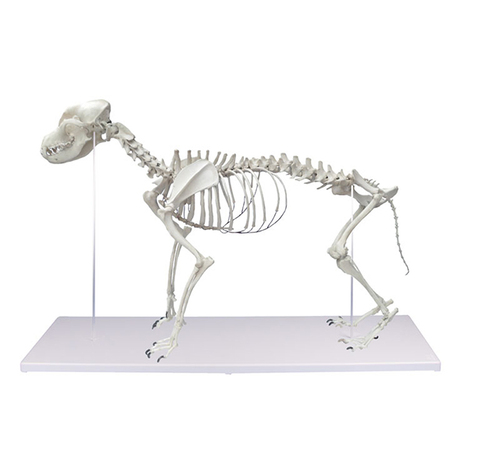
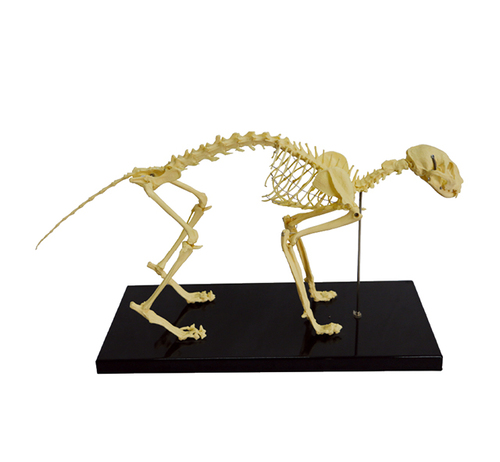
- Animal Skeletal Models
Full or partial skeletons, often from common veterinary or zoology subjects like dogs, cats, horses, or birds. They teach bone structure, articulation, and comparative anatomy.
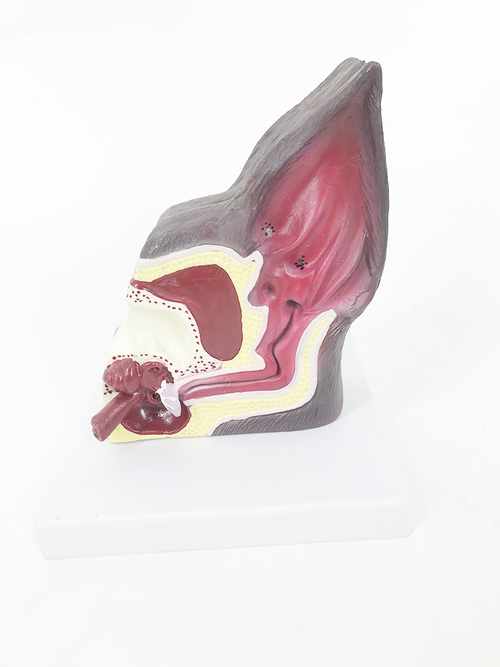
- Animal Organ Models
Detailed, often dissectible replicas of specific organs like the heart, brain, kidney, or eye from particular species. They illustrate internal structures and systems.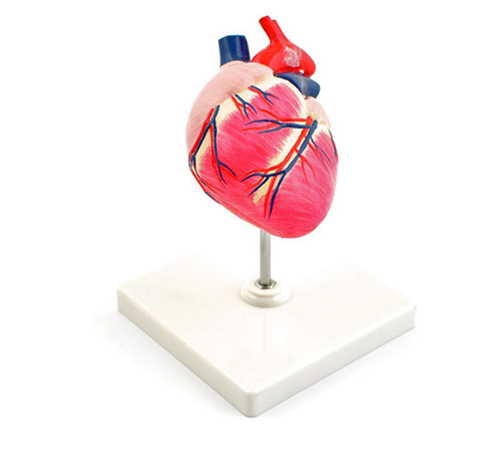
- Torso and Full-Body Models
These show the relationship between organ systems within a body cavity, commonly used for veterinary training.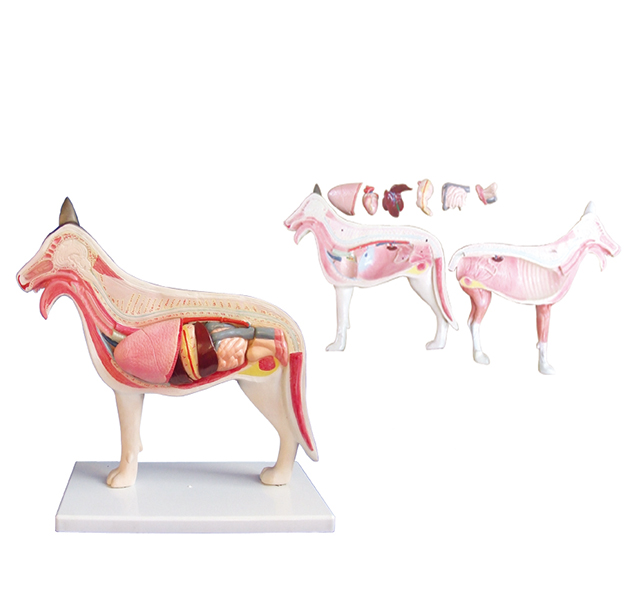
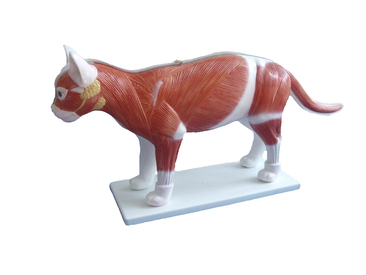
What Are Animal Models Used For? Key Applications
1. Anatomy Education (Schools and Universities)
In classrooms, teachers bring out these models to help students really get anatomy, from the basics to the tough stuff. Picture a bunch of middle school students passing around a frog skeleton, trying to figure out how backbones work. Vet students? They spend ages poking through a dog’s organs or checking out a horse’s leg bones, getting used to what they’ll see in real animals long before they ever walk into a clinic. Models take confusing ideas and turn them into something you can actually hold. That kind of hands-on learning just sticks.
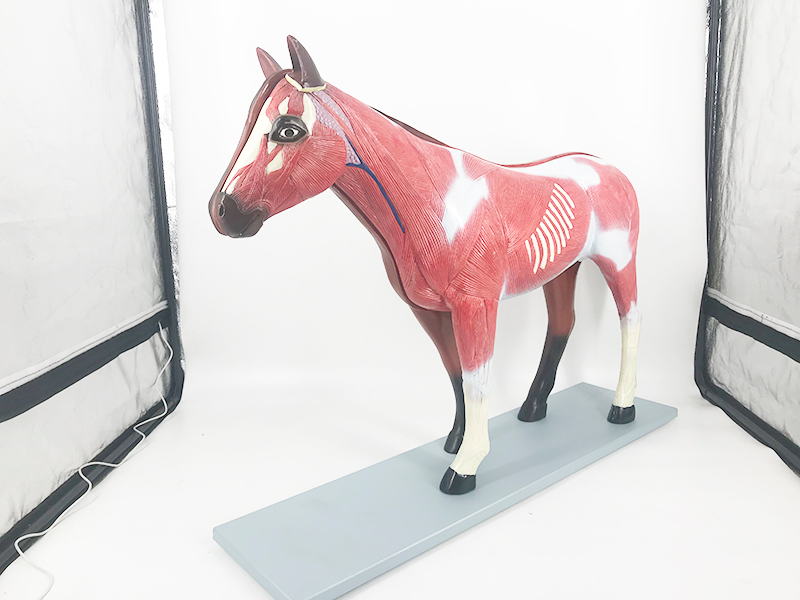
2. Veterinary Training and Practice
For veterinary training, these anatomical animal model are even more valuable. They practice dental exams with cat skulls, study fractures by handling horse legs, and even rehearse surgeries on models so realistic it’s almost eerie. When it’s time to explain things to pet owners, a model helps show exactly what’s going on inside a dog’s knee or makes sense of a tough diagnosis. That way, everyone’s on the same page, and the conversation just goes smoother.
3. Scientific Research
Researchers lean on animal models too. They use them as dependable, three-dimensional references. Compare anatomy across species — skeletal or organ models — for precise morphological researches. Articulated joints let scientists test ideas about how animals move.
Why Are Animal Models Important? The Value of These Tools
Anatomical animal models play a unique and irreplaceable role in education and research, offering benefits that live animals, preserved specimens, or purely theoretical learning cannot match. Here’s why they are so valuable:
1. Safety and Accessibility
Live animals and preserved specimens come with risks—disease, special handling, and a lot of extra rules. Models are safe, easy to move, and don’t need a giant budget. Schools and institutions that can’t keep live animals on hand still get real, hands-on anatomy lessons.
2. Reusability and Cost-Effectiveness
They save you money over time. Pick up a solid model, and you won’t need to replace it for years. No more spending on new specimens or worrying about caring for live animals, which is a big relief for schools or programs working with limited funds.
3. Ethical Advantages
Using animal models means you don’t have to hurt or euthanize animals just to teach or do research. That lines up with ethical standards focused on animal welfare. You still get all the detail you need for learning, but no animal has to suffer for it.
4. Anatomical Precision
High-quality animal models don’t just look the part—they capture the real thing, down to the tiniest details. We're talking about the curve of a bone, the way blood vessels twist through organs, or how everything fits together in just the right proportions. When models get all this right, students and researchers can actually trust what they’re seeing. That’s how you end up with real understanding and solid research that holds up.
Conclusion
An animal model is an indispensable, physical educational tool. They’re detailed, reusable, and ethical. Whether you’re a student just starting out or a researcher testing new ideas, these models let you explore and understand animal structure in a way that’s hands-on and real — without ever needing a live animal in the room.
What Are the Types of Animal Models
China Veterinary Equipment Supplier - One-Stop Solution for Clinics and Hospitals
Related Article


