
What Are the Types of Animal Models
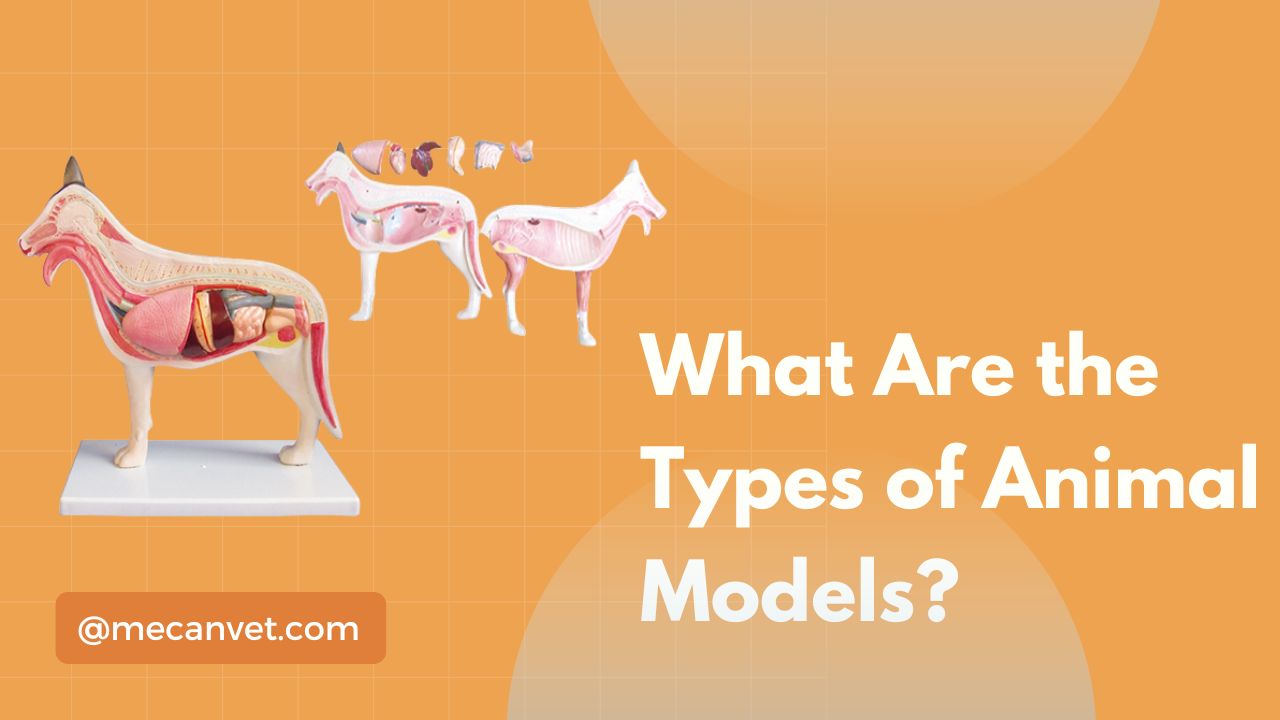
Animal models play a huge role in medical and biology education. These educational animal modelslet students and professionals get hands-on with anatomy, practice procedures, and understand how body systems work — without using live animals. As essential veterinary training equipment, these detailed replicas are all about real, practical learning. This guide breaks down the main types of animal models you’ll find in classrooms, training labs, and clinical skills centers.
Classification by Primary Educational Purpose
These educational animal models are categorized based on their main training or teaching objective.
1. Anatomical Display Models
These are detailed, static replicas used for foundational teaching of structure and form. Students usually start here, breaking down animal anatomy into manageable pieces:
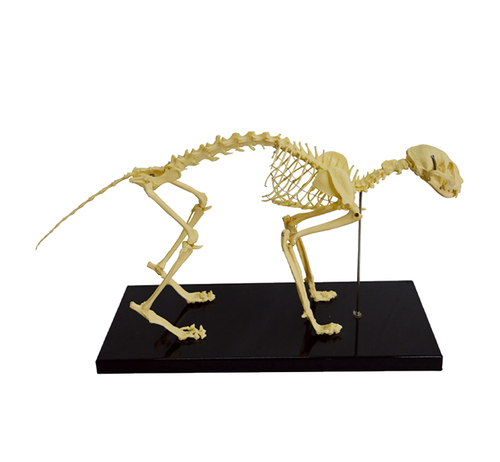
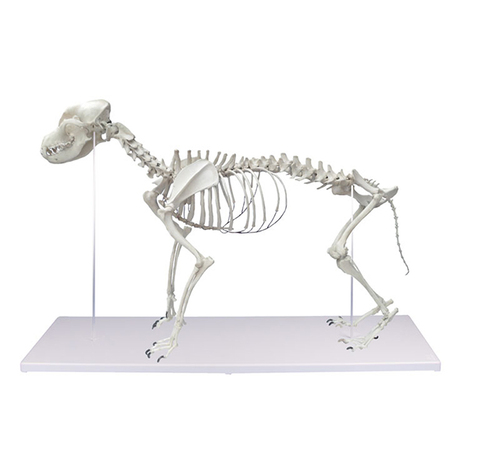
- Animal Skeleton Models: These focus on the bones. You get to see how different species compare, figure out biomechanics, and spot key surgical landmarks.
Examples: Articulated dog skeleton model, cat skeleton model.
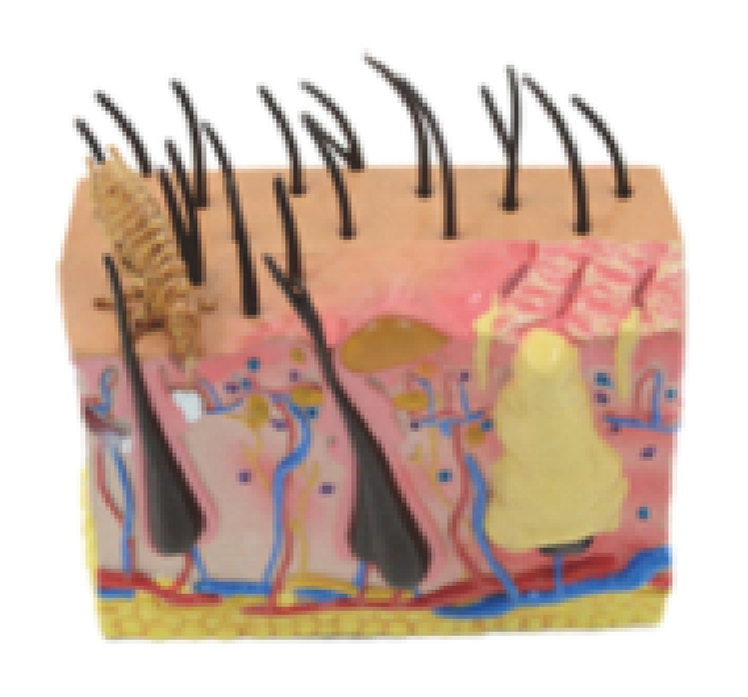
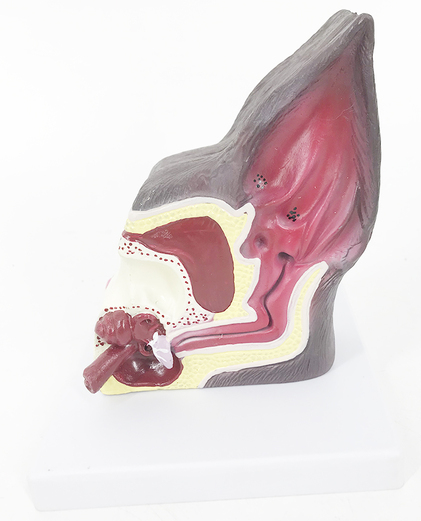
- Animal Organ Models: These single out specific organs or systems. Frequently, they’re enlarged so you can really see what’s going on. They’re great for studying how things work and what happens when they go wrong.
Examples: Dog heart model, dog skin model, dog ear model.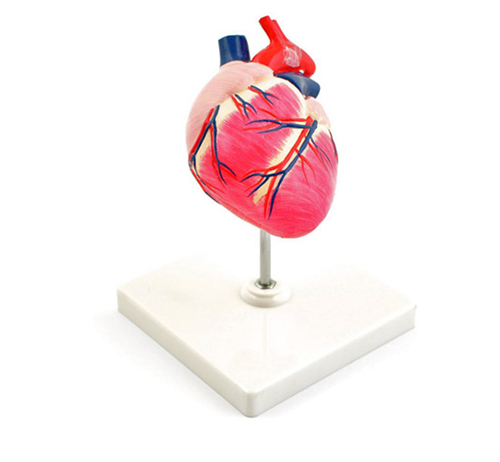
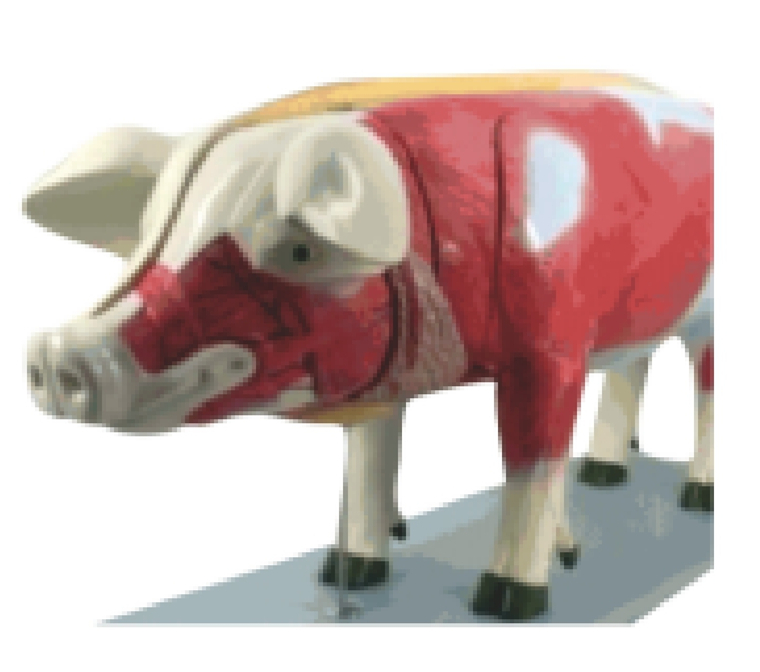
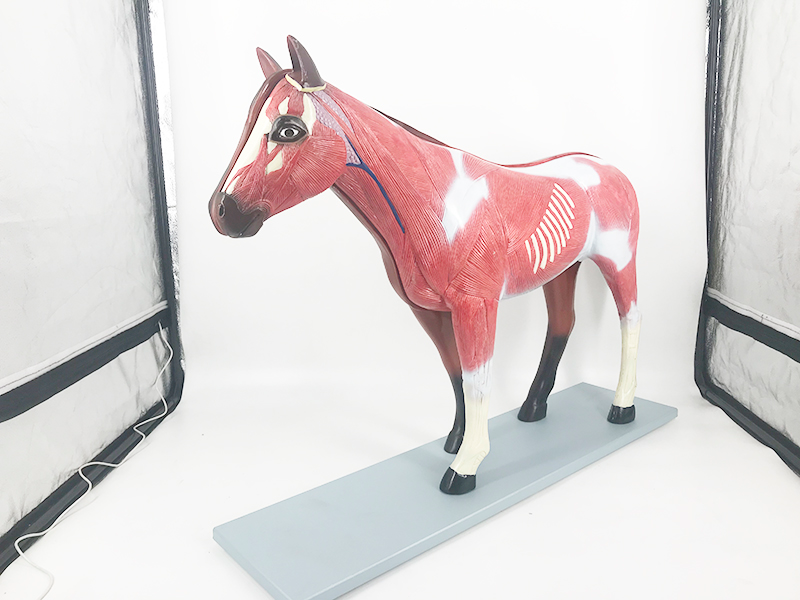
- Full-Body Anatomy Models: These show multiple systems at once — sometimes you can even remove parts to see how everything fits together.
Examples: Dog anatomy model, pig anatomy model, horse anatomy model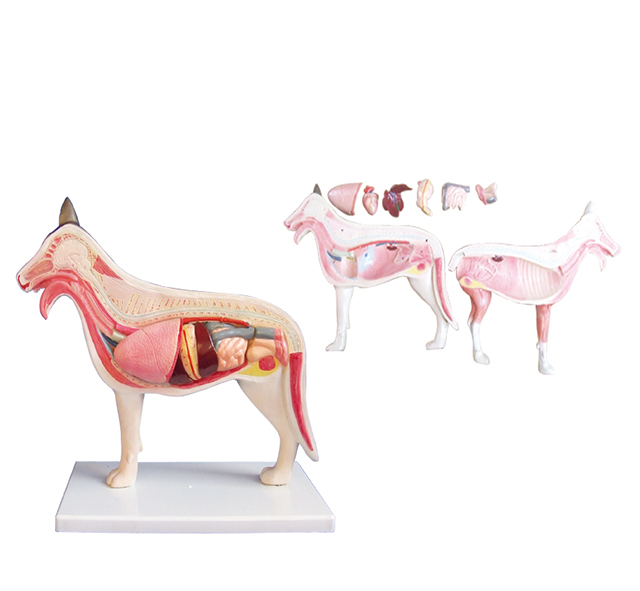
2. Physiological Simulation Models
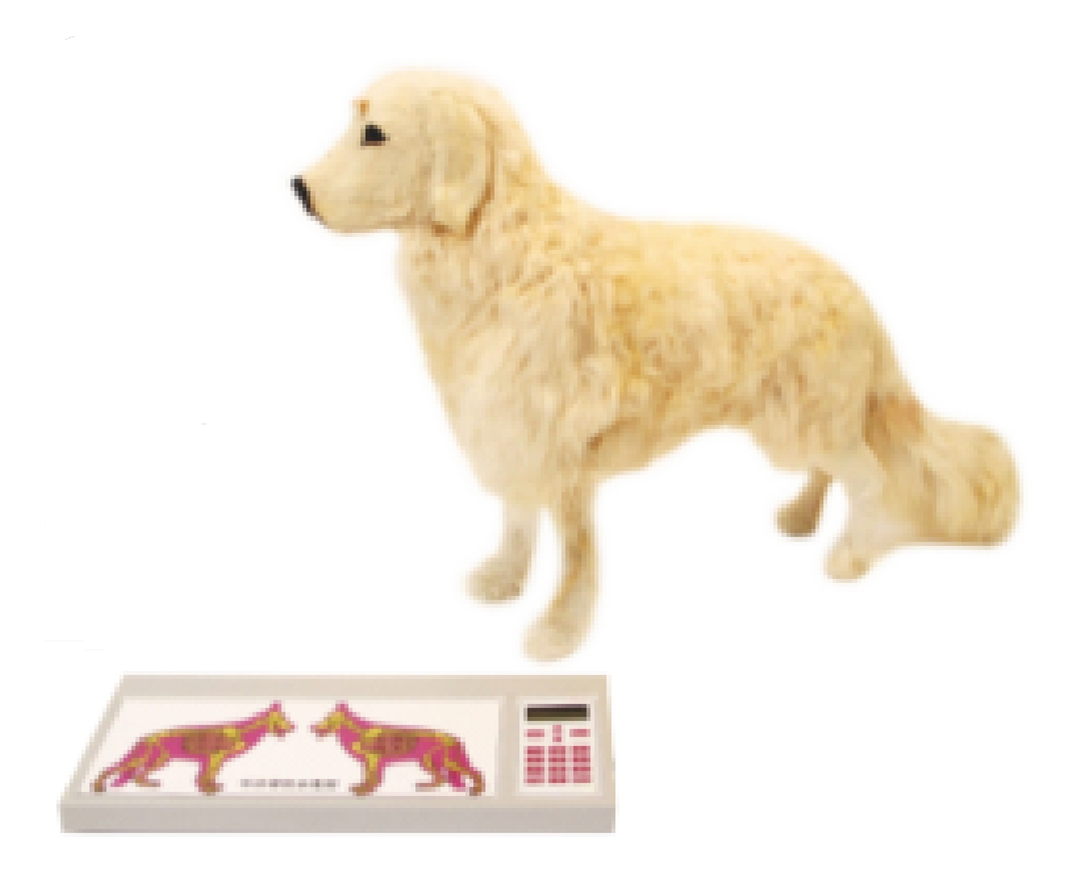
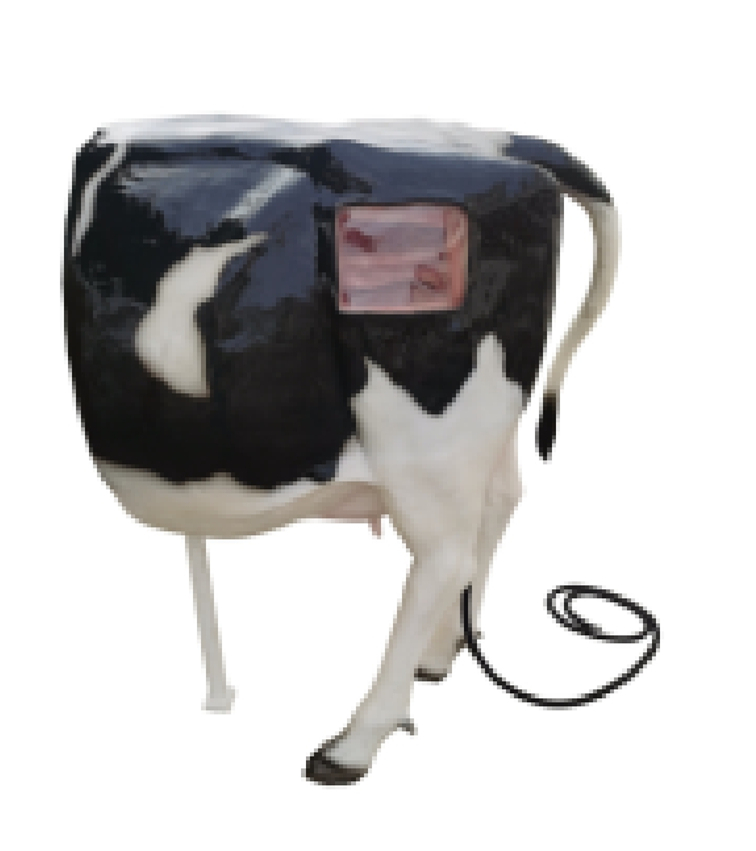
Now, for more advanced practice, some models go beyond the static. These simulate real body functions like breathing, a pulse, or even bleeding. They’re used with other simulators to create lifelike training scenarios.
Examples: Canine CPR manikin, bovine artificial insemination simulator.
3. Clinical Skill Models
Clinical skills models are built to mimic real life. They use special materials that feel like actual tissue, and some give you instant feedback while you practice.
Examples: Canine venipuncture and injection simulator, canine spinal puncture simulator.
4. Pathology Demonstration Models
These educational animal models showcase specific diseases, injuries, or abnormal conditions, providing a clear, tangible example of a clinical presentation.
Examples: Model showing canine heartworm infestation, bovine mastitis udder, a display of various canine skin tumors.
Classification by Target Species
Models are produced to represent different animals, catering to various fields of study.
- Common Companion Animal Models: Focus on dogs, cats, and other pets. These are everywhere in veterinary technician and veterinarian education.
- Livestock and Large Animal Models: Represent animals like horses, cows, pigs, and sheep. Crucial for agricultural and large animal veterinary training.
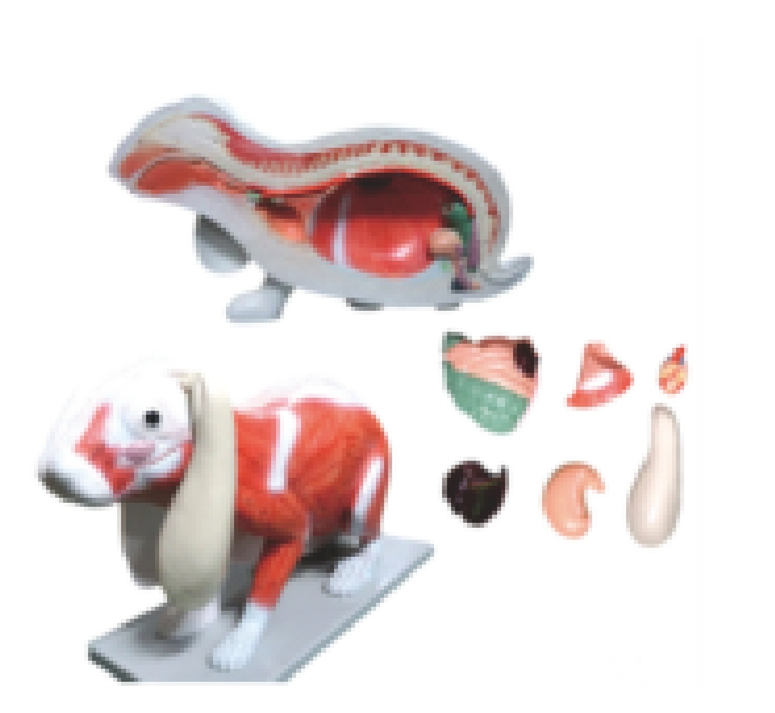
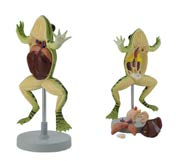
- Wildlife Models: Include birds, reptiles, and small mammals like rabbits and frogs. These show up in more specialized vet programs.
Key Materials and Technological Levels
The construction of the model determines its realism, durability, and cost.
- Classic Static Models: Usually made from painted plastic or resin. Durable, affordable, and great for basic anatomy — think skeletons and organs.
- Silicone and Soft-Tissue Models: These use high-tech polymers to look and feel just like real skin, muscle, or organs. If you’re learning surgery or procedures, nothing beats the realism.
- Task Trainers: Specialty models designed for one clinical skill. Maybe it’s a dog’s leg for bandaging or a cat’s ear for otoscopy.
- Hybrid and Connected Simulators: These link to electronic systems, so you get real-time feedback — like a heart rate that changes as you work. Perfect for complex, scenario-based training.
How to Choose the Right Educational Animal Model
Selecting the appropriate veterinary training equipment depends on:
- Learning Level: Is this for high school, college, vet school, or ongoing professional training?
- Skill Focus: Are you studying anatomy, learning a manual skill, or managing a whole clinical scenario?
- Durability & Budget: How often will you use it, and what’s your budget? Top-tier simulators are a big investment, but they’re critical for advanced training.
Conclusion: The Value of Animal Models
Modern animal models make learning ethical, repeatable, and reliable. Whether you’re working with a basic skeleton or a high-end procedure simulator, these tools build your knowledge and your confidence. These veterinary training equipment let you practice as much as you need, get immediate feedback, and even study rare conditions — so you’re ready for anything in real-world practice.
Your Partner in Professional Training Solutions
Finding the right animal model is the first step to real learning. As a leading supplier of medical training devices, we know every program is different. We offer everything from simple anatomical models to cutting-edge procedure simulators, covering all major species and training needs. No matter your focus, you’ll find something that fits your goals.
Want to build the best animal training setup? Contact our team for personalized advice and a quote, or check out our full catalog of veterinary training models.
Ultimate Pre-Surgery Checklist for Veterinary Clinics
What is an Animal Model
Related Article


