
Veterinary Woods Lamp vs UVB Lamp
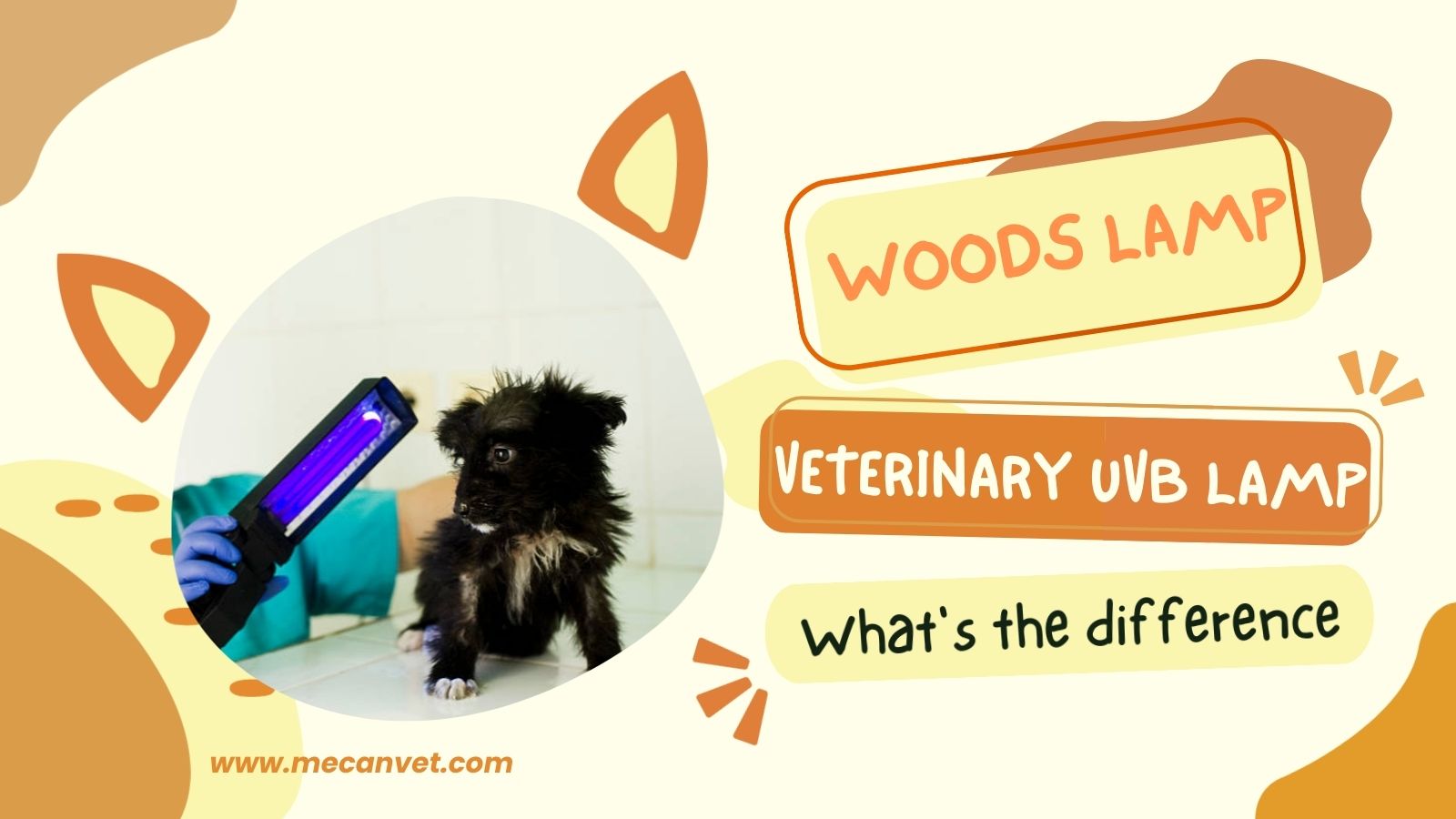
In the world of light-based applications in veterinary medicine and animal care, two types of lamps, namely the Veterinary Woods Lamp and the UVB Lamp, often come into discussion. While both involve the use of ultraviolet light, they have significant differences in various aspects. This article aims to explore these differences to help readers better understand their unique functions and applications.
I. Introduction to the Two Lamps
A. Veterinary Woods Lamp
The Veterinary Woods Lamp is a specialized diagnostic tool commonly used in veterinary practice. It is designed to emit ultraviolet light within a specific wavelength range, primarily in the long-wave ultraviolet (UVA) region, usually around 320 - 400 nanometers. The main purpose of this lamp is to detect certain substances on the skin of animals that can fluoresce under UVA light. For example, it is highly effective in identifying fungal infections in animals. When the lamp shines on the skin of an animal with a fungal infection caused by specific fungi like Microsporum canis, the infected areas will emit a characteristic fluorescence, often an apple-green color. This enables veterinarians to quickly diagnose the presence and extent of the infection without the need for invasive procedures in the initial stage of examination.
B. UVB Lamp
On the other hand, the UVB Lamp emits ultraviolet light in the medium-wave ultraviolet (UVB) range, which typically spans from 280 to 320 nanometers. UVB lamps are widely used in various scenarios related to animal health, especially for reptiles. Reptiles need UVB light for their physiological processes, such as vitamin D3 synthesis, which is crucial for calcium absorption and maintaining healthy bones and overall well-being. In addition to its role in reptile care, UVB lamps are also utilized in some medical treatments for certain skin conditions in humans and animals alike due to their ability to affect the skin's biological responses at a cellular level.
II. Differences in Wavelength and Light Characteristics
A. Wavelength
The most fundamental difference between the two lamps lies in their wavelength ranges. As mentioned earlier, the Veterinary Woods Lamp operates in the UVA range, while the UVB Lamp emits light in the UVB range. This variance in wavelength determines the different ways in which they interact with biological tissues and substances. UVA light from the Veterinary Woods Lamp is mainly focused on inducing fluorescence in specific substances present on the animal's skin, whereas UVB light from the UVB Lamp has the potential to penetrate the skin to a certain depth and trigger biochemical reactions within the skin cells, such as promoting the production of melanin and vitamin D3 synthesis in the case of reptiles.
B. Fluorescence Induction vs. Biochemical Effects
The Veterinary Woods Lamp relies on the property of fluorescence induction. When its UVA light hits certain target substances like fungal elements or specific proteins on the animal's skin, these substances absorb the energy of the UVA light and then re-emit it as visible light of a different color, which is the fluorescence we observe. In contrast, the UVB Lamp does not primarily work based on fluorescence. Instead, its UVB light directly affects the molecular and cellular structures of the skin. For instance, in reptiles, the UVB light stimulates the skin cells to start the process of converting a precursor molecule into vitamin D3, which is essential for the proper functioning of their calcium metabolism.
III. Applications in Veterinary Medicine and Animal Care
A. Veterinary Woods Lamp in Diagnosis
The Veterinary Woods Lamp is predominantly used for diagnostic purposes in veterinary medicine. It plays a vital role in detecting a variety of skin diseases in animals. Besides fungal infections, it can also assist in identifying certain bacterial infections and parasitic infestations. For example, some bacteria have the ability to produce fluorescent substances when exposed to UVA light, and the Woods Lamp can help veterinarians spot these infections early. Moreover, in cases of parasitic skin diseases like mange, the lamp can reveal the presence of mites or their by-products through fluorescence, enabling timely treatment.
B. UVB Lamp in Animal Health and Treatment
The UVB Lamp has a broader range of applications. In the context of reptile husbandry, it is an indispensable tool for providing the necessary UVB radiation that these cold-blooded animals cannot obtain naturally in indoor environments. Without proper UVB exposure, reptiles may suffer from metabolic bone disease due to insufficient calcium absorption. In addition to reptile care, UVB lamps are sometimes used in the treatment of skin conditions like psoriasis in animals and humans. The UVB light can modulate the immune response in the skin and slow down the excessive growth of skin cells in affected areas, thus helping to alleviate the symptoms of such diseases.
IV. Safety Considerations and Precautions
A. Veterinary Woods Lamp
When using the Veterinary Woods Lamp, veterinarians need to take precautions to protect the eyes and skin of both themselves and the animals. Although the UVA light it emits is relatively less harmful compared to shorter wavelengths like UVB and UVC, prolonged or direct exposure to the eyes can still cause damage. Therefore, wearing appropriate UV-protective goggles is necessary during the operation. Also, care should be taken to avoid shining the lamp directly into the animal's eyes for extended periods to prevent any potential harm to their vision.
B. UVB Lamp
Since UVB light has a stronger impact on biological tissues and can cause damage if not properly controlled, safety is of utmost importance when using UVB lamps. For reptile keepers, it is crucial to choose the right intensity of the UVB lamp according to the specific species of reptile, as different reptiles have different requirements for UVB exposure. The lamp should be installed at the correct height and angle within the enclosure to ensure that the reptile receives an appropriate amount of UVB light without being overexposed. Additionally, regular replacement of the UVB lamp is necessary as its output intensity tends to decline over time, which could lead to insufficient UVB provision for the reptile if not replaced promptly.
V. Conclusion
In conclusion, the Veterinary Woods Lamp and the UVB Lamp are two distinct types of ultraviolet light-emitting devices with different characteristics, applications, and safety considerations. The Veterinary Woods Lamp is mainly a diagnostic tool that takes advantage of fluorescence induction in the UVA range to identify skin problems in animals. In contrast, the UVB Lamp operates in the UVB range and is crucial for the health and well-being of reptiles and also has applications in certain medical treatments related to skin conditions. Understanding these differences is essential for veterinarians, animal owners, and those involved in animal care to make the best use of these lamps and ensure the health and safety of the animals under their care. Whether it's diagnosing a skin infection with the Veterinary Woods Lamp or providing necessary UVB radiation for a reptile's health with a UVB Lamp, each device serves its unique purpose in the realm of animal health and veterinary medicine.
How Do Automatic Egg Incubators Work?
The Power of Veterinary Woods Lamp: Your Pet's Health Guardian
Related Article


