
Veterinary PCR Testing
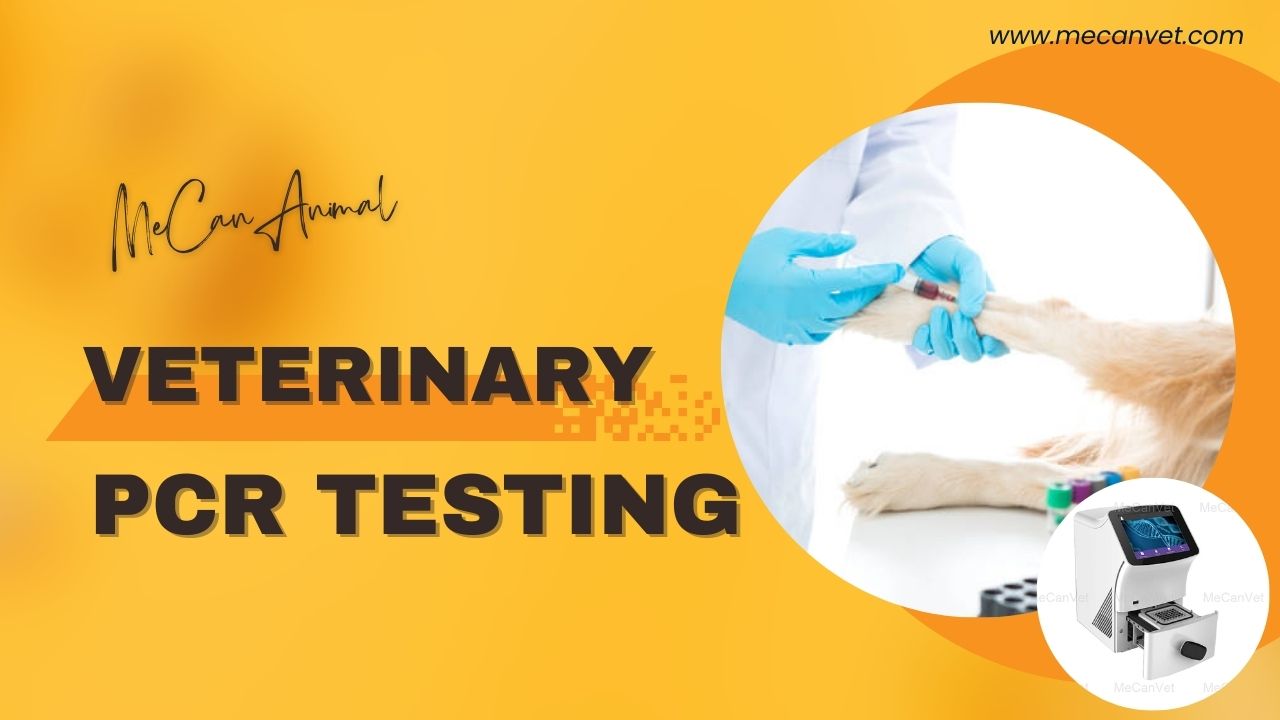 In the realm of veterinary medicine, the application of molecular biology techniques has become commonplace, with Polymerase Chain Reaction (PCR) technology standing out as a crucial diagnostic tool. The scope of PCR's applications is vast, covering fields ranging from disease diagnosis to population genetics research. This article will delve into the applications of Veterinary PCR in animal medicine and elucidate the significance of PCR testing in diagnosing various animal diseases and beyond. What is PCR? PCR is a molecular biology technique used to amplify specific segments of DNA or RNA from minute samples. It was pioneered by Kary Mullis in the 1980s and has since revolutionized molecular biology and diagnostics. PCR works by repeatedly heating and cooling a reaction mixture containing DNA or RNA templates, primers, DNA polymerase, and nucleotides, resulting in exponential amplification of the target sequence. Applications of Veterinary PCR Testing Disease Diagnosis PCR testing plays a pivotal role in diagnosing infectious diseases in animals. It enables veterinarians to detect the presence of pathogens, such as viruses, bacteria, and parasites, even at low concentrations. By targeting specific genetic sequences unique to particular pathogens, PCR offers high sensitivity and specificity in disease detection. Common applications include: Viral Diseases: PCR can identify a wide array of viral infections in animals, including canine parvovirus, feline leukemia virus, avian influenza, and equine herpesvirus. Bacterial Infections: PCR assays are used to diagnose bacterial infections in animals, such as bovine respiratory disease complex, brucellosis, and leptospirosis. Parasitic Infections: PCR testing aids in the detection of parasitic infections like heartworm disease in dogs and cats, as well as various tick-borne diseases. Genetic Screening and Disease Risk Assessment PCR-based genetic tests are employed in veterinary medicine for screening animals for hereditary diseases and assessing their risk of developing certain conditions. These tests are particularly valuable in breeding programs to make informed decisions regarding mating pairs and reducing the incidence of genetic disorders in offspring. Inherited Diseases: PCR assays can identify genetic mutations associated with inherited disorders in specific breeds, such as progressive retinal atrophy in dogs and polycystic kidney disease in cats. Carrier Screening: PCR testing helps identify carriers of genetic mutations, allowing breeders to avoid mating individuals carrying deleterious alleles and reduce the transmission of genetic diseases. Forensic Analysis and Wildlife Conservation PCR techniques are utilized in forensic investigations involving animals, including cases of animal cruelty, illegal wildlife trade, and wildlife poaching. Additionally, PCR-based methods contribute to conservation efforts by aiding in the identification of species, monitoring population dynamics, and assessing genetic diversity. Forensic Identification: PCR amplification of DNA from animal samples assists forensic scientists in identifying species, linking suspects to crime scenes, and providing evidence in legal proceedings. Wildlife Population Studies: PCR analysis of genetic markers enables researchers to estimate population sizes, assess genetic relatedness, and understand the genetic structure of wildlife populations, informing conservation strategies. Advantages of PCR Testing in Veterinary Medicine Sensitivity and Specificity: PCR offers high sensitivity and specificity, allowing for the detection of pathogens at low concentrations and distinguishing between closely related species or strains. Rapid Results: PCR assays provide rapid turnaround times, facilitating timely diagnosis and treatment of infectious diseases in animals. Multiplexing Capability: Multiplex PCR allows for the simultaneous amplification and detection of multiple target sequences in a single reaction, enhancing efficiency and conserving sample material. Quantitative Analysis: Real-time PCR (qPCR) enables quantitative analysis of target DNA or RNA, allowing for the quantification of pathogen loads and monitoring disease progression. Automation and Standardization: Automated PCR platforms ensure reproducibility and standardization of results, minimizing variability between tests and laboratories. In conclusion, Veterinary PCR testing is an indispensable tool in the diagnosis of animal diseases, genetic screening, forensic analysis, and wildlife conservation. Its versatility, sensitivity, and specificity make it invaluable in veterinary medicine, contributing to improved animal health, breeding practices, and conservation efforts worldwide. As technology continues to advance, PCR-based methods will undoubtedly play an increasingly vital role in advancing veterinary diagnostics and research. |
A Deep Dive into Veterinary Endoscopy
What is Veterinary Phototherapy Equipment
Related Article


