
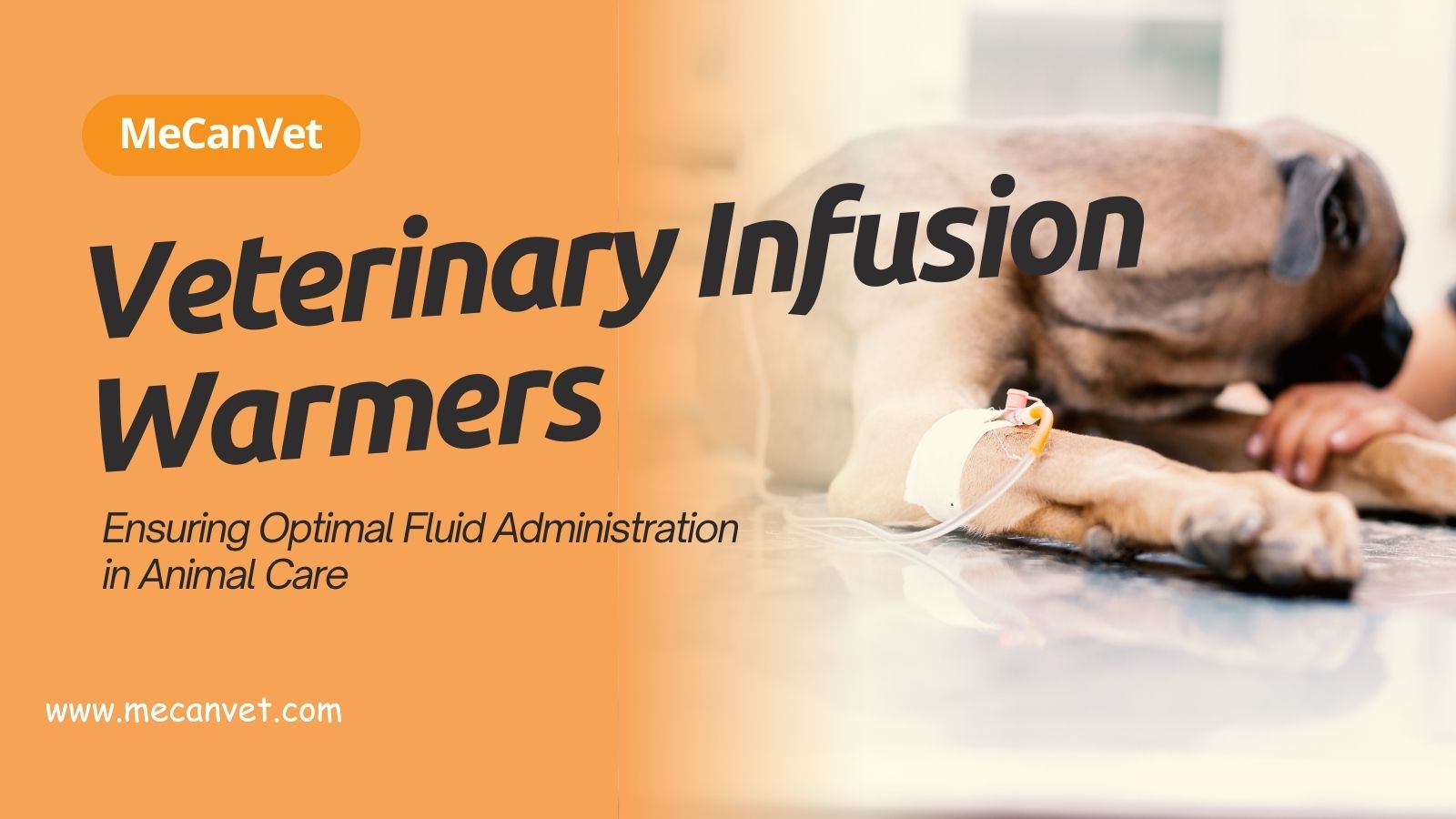
Veterinary Infusion Warmers: Ensuring Optimal Fluid Administration in Animal Care
I. Introduction
In the realm of veterinary medicine, the administration of intravenous fluids is a common and crucial practice. Whether it is for rehydrating a sick animal, maintaining fluid balance during surgery, or providing essential medications, the proper delivery of fluids can significantly impact an animal's recovery and well-being. Veterinary infusion warmers have emerged as an important innovation in this context, aiming to address the specific needs of animals when it comes to the temperature of the infused fluids. This article will provide a comprehensive overview of veterinary infusion warmers, including their working principles, types, applications, benefits, and considerations.
II. The Significance of Fluid Temperature in Veterinary Infusion
The temperature of the fluids being infused into an animal's body is not a trivial matter. Cold fluids can have several adverse effects. When cold fluids enter the bloodstream, they can cause vasoconstriction, which may impede the normal flow of blood and affect the delivery of oxygen and nutrients to tissues. In addition, rapid infusion of cold fluids can potentially lead to hypothermia, especially in small or young animals with less developed thermoregulatory mechanisms. Hypothermia can slow down metabolic processes, increase the risk of bleeding due to altered coagulation, and suppress the immune system, making the animal more susceptible to infections. On the other hand, overly warm fluids can also cause thermal injury to the blood vessels and surrounding tissues. Therefore, maintaining the appropriate temperature of infused fluids within a narrow and safe range is essential for the well-being of the animal patient.
III. Working Principles of Veterinary Infusion Warmers
Veterinary infusion warmers typically operate based on one or more of the following principles. One common method is the use of electrical heating elements. These elements are in close contact with the infusion tubing or a special chamber through which the fluid passes. The electrical current passing through the heating elements generates heat, which is then transferred to the fluid. The temperature is carefully controlled by a thermostat or a temperature sensor. When the fluid reaches the set temperature, the heating element either reduces its power output or shuts off temporarily to maintain a constant temperature. Another principle involves the use of heat exchangers. In a heat exchanger, the fluid to be warmed and a separate heating medium, such as warm water or a heated gas, flow in close proximity to each other. Heat is transferred from the heating medium to the fluid through conduction or convection. The temperature of the heating medium can be regulated to achieve the desired fluid temperature. Some advanced infusion warmers may also incorporate feedback control systems that continuously monitor the temperature of the fluid and adjust the warming process accordingly to compensate for any changes in the ambient temperature or the flow rate of the fluid.
IV. Types of Veterinary Infusion Warmers
There are several types of veterinary infusion warmers available. One type is the inline infusion warmer. This is designed to be attached directly to the infusion tubing. It is compact and convenient, allowing for easy integration into the existing infusion setup. The inline warmer heats the fluid as it passes through the tubing, ensuring that the warmed fluid reaches the animal's bloodstream promptly. Another type is the chamber-based infusion warmer. The fluid is pumped into a special chamber where it is heated. Once the fluid reaches the appropriate temperature, it is then delivered to the animal. Chamber-based warmers can often handle larger volumes of fluid and may offer more precise temperature control. Additionally, there are portable infusion warmers that are battery-powered or can be plugged into a vehicle's power outlet. These are particularly useful in field or emergency situations where access to a fixed power source may be limited. They enable veterinarians to provide warmed fluid therapy even outside of a traditional clinic or hospital setting.
V. Applications in Veterinary Medicine
Veterinary infusion warmers find wide applications in various aspects of veterinary care. In small animal practice, they are commonly used in the treatment of sick or injured pets. For example, a dog that has suffered from heatstroke may require rapid fluid replacement, and warming the fluids can help prevent further complications due to hypothermia. In neonatal animals, such as puppies and kittens, whose thermoregulatory systems are not fully developed, infusion warmers are essential for maintaining their body temperature during fluid administration. In large animal medicine, infusion warmers are used in the treatment of livestock. For instance, in a dairy cow with mastitis, intravenous fluids may need to be administered, and warming the fluids can improve the cow's comfort and potentially enhance the effectiveness of the treatment. They are also crucial during surgical procedures in both small and large animals. Maintaining the normal body temperature of the animal through warmed fluid infusion can help reduce the risk of postoperative complications and promote a faster recovery.
VI. Benefits of Using Veterinary Infusion Warmers
The use of veterinary infusion warmers offers several notable benefits. Firstly, as mentioned earlier, it helps prevent hypothermia and its associated complications. By warming the fluids to a suitable temperature, the risk of vasoconstriction, altered metabolism, and immunosuppression is significantly reduced. This can lead to a more favorable prognosis for the animal patient. Secondly, warmed fluids can enhance patient comfort. Animals are less likely to experience discomfort or shivering during the infusion process, which can be especially important in long-term or continuous infusion scenarios. Moreover, in some cases, warmed fluids may improve the solubility and absorption of certain medications, thereby potentially increasing the efficacy of the treatment. Additionally, the use of infusion warmers can contribute to better overall patient management. By maintaining the appropriate fluid temperature, veterinarians can have more control over the physiological parameters of the animal, which can assist in the accurate assessment and adjustment of the treatment plan.
VII. Considerations and Limitations
Despite their many advantages, there are some considerations and limitations when using veterinary infusion warmers. One important factor is the accuracy of temperature control. The warmer must be able to maintain a consistent and accurate temperature within a narrow range. Any significant deviations from the desired temperature could have negative consequences for the animal. Therefore, regular calibration and monitoring of the infusion warmer are essential. Another consideration is the compatibility of the warmer with different types of infusion tubing and fluids. Some warmers may work better with certain tubing materials or fluid viscosities. It is crucial to ensure that the warmer does not cause any damage to the tubing or alter the composition of the fluid. Cost can also be a limiting factor. High-quality veterinary infusion warmers can be relatively expensive, especially those with advanced features such as precise temperature control and portability. Veterinary clinics and hospitals need to consider their budget and the frequency of use when investing in such equipment. Additionally, proper training of the veterinary staff is necessary to ensure the correct operation and maintenance of the infusion warmers.
VIII. Future Trends
The field of veterinary infusion warmers is likely to see further developments in the future. One trend may be the integration of smart technology. Smart infusion warmers could potentially be connected to a veterinary hospital's information system, allowing for remote monitoring and control of the fluid temperature. This could enhance the convenience and safety of fluid administration, especially in situations where the animal is being monitored continuously. Another possible development is the improvement of energy efficiency. As the demand for more portable and long-lasting infusion warmers grows, manufacturers may focus on developing warming technologies that consume less power while still providing effective fluid warming. Also, with the increasing attention to animal welfare, future infusion warmers may focus more on optimizing the comfort of animals during the infusion process, such as developing quieter and less vibrating equipment.
IX. Conclusion
Veterinary infusion warmers play a vital role in modern veterinary medicine. They help ensure that the fluids administered to animals are at the appropriate temperature, thereby reducing the risk of complications and improving patient comfort and treatment outcomes. While there are certain considerations and limitations, the benefits they offer make them an important addition to the arsenal of veterinary equipment. As technology continues to advance, we can expect to see further improvements and innovations in veterinary infusion warmers, which will ultimately contribute to better care for our animal companions. It is essential for veterinarians and veterinary staff to stay informed about the latest developments in this field and make appropriate use of infusion warmers in their practice.
Veterinary Oxygen Generators: Empowering Animal Respiratory Care
Veterinary Shadowless Surgical Lights: Illuminating the Realm of Animal Surgery
Related Article


