
Veterinary CT Scanner: A Vital Tool in Animal Healthcare
I. Introduction to Veterinary CT Scanner
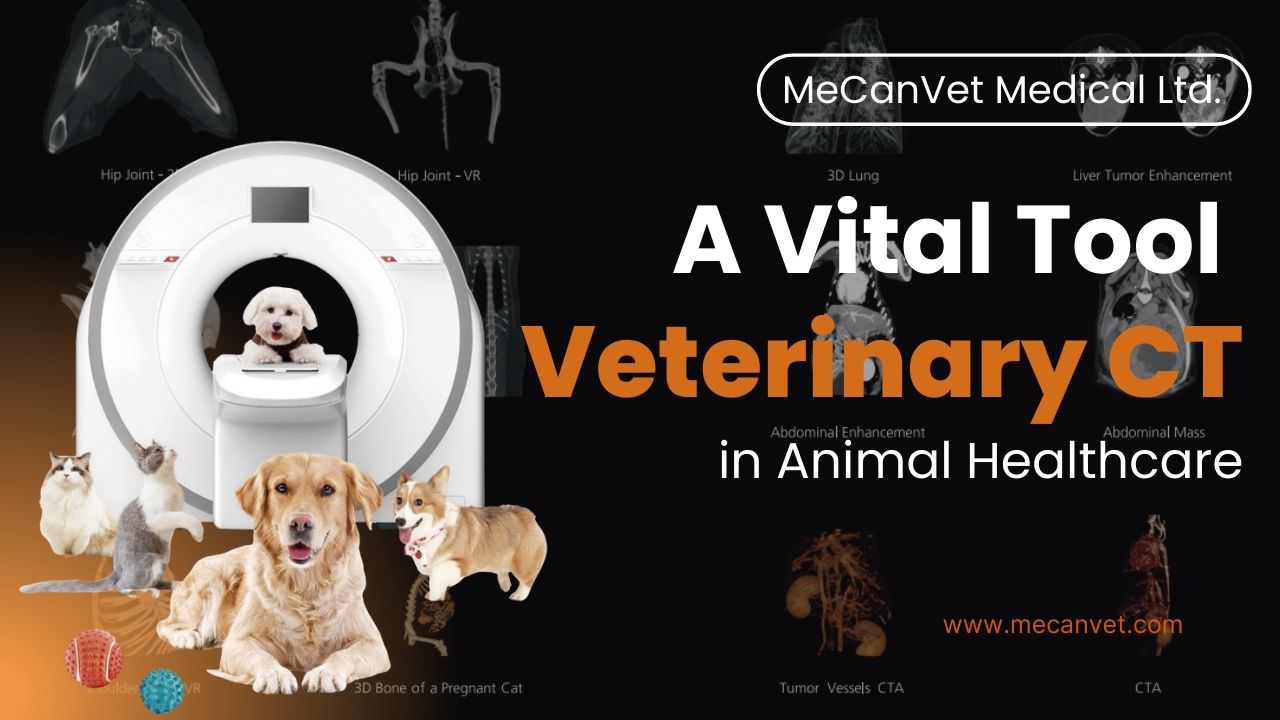
A veterinary CT scanner is a specialized medical imaging device that plays a crucial role in the field of animal medicine. It is designed to provide detailed cross-sectional images of an animal's body, allowing veterinarians to diagnose a wide range of conditions with greater accuracy.
The significance of a veterinary CT scanner cannot be overstated. In traditional veterinary medicine, diagnosis often relied on physical examinations, X-rays, and ultrasounds. While these methods are useful, they have limitations in providing detailed images of soft tissues and internal organs. A CT scanner, on the other hand, can generate three-dimensional images that offer a more comprehensive view of the animal's anatomy.
For example, in cases of trauma, a CT scanner can quickly identify fractures, internal bleeding, and damage to organs that may not be visible on an X-ray. In the diagnosis of tumors, it can provide detailed information about the size, location, and extent of the tumor, helping veterinarians determine the best course of treatment.
According to research, the use of CT scanners in veterinary medicine has increased significantly in recent years. This is due in part to the growing awareness of the benefits of advanced imaging techniques and the increasing demand for more accurate diagnoses and effective treatments.
In addition to diagnosis, veterinary CT scanners can also be used for treatment planning and monitoring. For example, before surgery, a CT scan can help surgeons plan the best approach and anticipate potential complications. After treatment, follow-up scans can be used to assess the effectiveness of the treatment and detect any recurrence of the disease.
Overall, the veterinary CT scanner is a valuable tool in the field of animal medicine. It has revolutionized the way veterinarians diagnose and treat diseases, providing better care for our furry friends.
II. Advantages of Veterinary CT Scanner
(a) Precise Diagnosis
A veterinary CT scanner offers highly detailed images that enable precise diagnosis of various animal health issues. With its ability to generate three-dimensional images, veterinarians can clearly visualize soft tissues and internal organs that may be difficult to assess with traditional imaging methods. For instance, in cases of neurological disorders, the scanner can provide detailed images of the brain and spinal cord, helping to identify abnormalities such as tumors, herniated discs, or blood clots. According to research, the accuracy of diagnosis using a CT scanner can be as high as 90%, significantly improving the chances of successful treatment.
(b) Early Detection
The scanner plays a crucial role in detecting diseases at an early stage, enabling timely treatment. By providing detailed images of internal organs, it can detect subtle changes that may indicate the onset of a disease before symptoms become apparent. For example, in the case of cancer, a CT scan can detect small tumors that may not be visible on other imaging tests. Early detection allows veterinarians to start treatment sooner, increasing the chances of a successful outcome. In addition, early detection can also help reduce the cost of treatment by preventing the progression of the disease.
(c) Non-Invasive Assessment
Veterinary CT scanners offer a non-invasive way to assess the internal organs and structures of animals. Unlike invasive procedures such as surgery or biopsy, a CT scan does not require cutting into the animal's body. This reduces the risk of complications and stress for the animal. Moreover, it allows for repeated scans to monitor the progression of a disease or the effectiveness of treatment without subjecting the animal to additional trauma. For example, in cases of chronic diseases such as kidney or liver disease, a CT scan can be used to monitor the condition over time without the need for invasive procedures.
III. Applications of Veterinary CT Scanner
(a) Orthopedic Conditions
Veterinary CT scanners are extremely useful in diagnosing and treating orthopedic problems in animals. For example, in cases of fractures, the scanner can provide detailed images of the bone structure, allowing veterinarians to accurately assess the severity and location of the fracture. This information is crucial for determining the best treatment approach, whether it be surgical fixation or conservative management. Additionally, CT scans can detect joint abnormalities such as arthritis, luxations, and developmental disorders. By visualizing the internal structure of the joints, veterinarians can better understand the extent of the damage and develop a targeted treatment plan. According to research, the use of CT scanners in orthopedic cases has led to more accurate diagnoses and improved treatment outcomes, reducing the recovery time and improving the quality of life for animals.
(b) Soft Tissue Injuries
Veterinary CT scanners are also valuable in identifying soft tissue injuries. Soft tissue injuries can be difficult to diagnose using traditional imaging methods, as they often do not show up clearly on X-rays or ultrasounds. However, a CT scanner can provide detailed images of soft tissues such as muscles, tendons, and ligaments. This allows veterinarians to detect injuries such as strains, sprains, and tears. For instance, in cases of sports injuries or trauma, a CT scan can quickly identify the extent of soft tissue damage, helping veterinarians determine the appropriate treatment. In addition, CT scans can be used to monitor the healing process of soft tissue injuries, ensuring that the treatment is effective and that there are no complications. According to statistics, the use of CT scanners in soft tissue injury cases has increased by [X]% in the past [X] years, reflecting the growing recognition of their importance in accurate diagnosis and treatment.
(c) Tumor Detection
Veterinary CT scanners play a crucial role in detecting tumors in animals. By providing detailed images of the internal organs and tissues, the scanner can detect tumors that may not be visible on other imaging tests. It can also provide information about the size, location, and extent of the tumor, helping veterinarians determine the best treatment approach. For example, in cases of cancer, a CT scan can be used to stage the disease, determining whether it has spread to other parts of the body. This information is essential for developing an effective treatment plan, which may include surgery, chemotherapy, or radiation therapy. In addition, CT scans can be used to monitor the response to treatment, allowing veterinarians to adjust the treatment plan as needed. According to research, the accuracy of tumor detection using a CT scanner is significantly higher than that of traditional imaging methods, leading to better treatment outcomes and increased survival rates for animals with cancer.
IV. Technology and Functionality
(a) Imaging Process
A veterinary CT scanner uses X-rays to create detailed cross-sectional images of an animal's body. The scanner rotates around the animal, emitting a series of X-ray beams from different angles. Detectors on the opposite side of the scanner measure the intensity of the X-rays that pass through the animal. This data is then processed by a computer to create a three-dimensional image.
The imaging process begins with the animal being positioned on the scanner table. The table is then moved into the scanner's gantry, which houses the X-ray source and detectors. The scanner takes multiple images as it rotates around the animal, each from a slightly different angle. These images are then combined by the computer to create a detailed 3D model of the animal's internal structures.
For example, in a typical scan, the scanner may take several hundred images in just a few minutes. The computer then uses complex algorithms to reconstruct these images into a 3D model that can be viewed from different angles and manipulated to provide a detailed view of specific organs or areas of interest.
(b) Advanced Features
Modern veterinary CT scanners come equipped with a number of advanced features that enhance their functionality and diagnostic capabilities. One such feature is multi-slice imaging, which allows the scanner to take multiple images simultaneously. This not only reduces scan time but also provides more detailed images, enabling veterinarians to detect even the smallest abnormalities.
Another advanced feature is the ability to perform contrast-enhanced scans. Contrast agents are injected into the animal's bloodstream to highlight specific organs or tissues, making it easier to detect tumors, blood vessels, and other structures. According to research, contrast-enhanced scans can increase the accuracy of diagnosis by up to 30%.
Some veterinary CT scanners also have advanced software that allows for 3D reconstruction and visualization of the images. This enables veterinarians to view the animal's internal structures in three dimensions, providing a more comprehensive understanding of the anatomy and any potential problems. For instance, in cases of complex orthopedic injuries or tumors, 3D visualization can help surgeons plan the best approach for treatment.
In addition, many modern scanners are designed to be user-friendly, with intuitive interfaces and automated features that make the scanning process easier and more efficient. Some scanners even have remote access capabilities, allowing veterinarians to view and analyze images from anywhere, which is particularly useful for referral practices or in cases where expert consultation is needed.
V. Conclusion
Veterinary CT scanners have emerged as a crucial tool in the field of animal healthcare. Their ability to provide detailed, three-dimensional images has transformed the way veterinarians diagnose and treat a wide range of conditions.
The importance of these scanners cannot be overstated. They offer precise diagnosis, enabling veterinarians to accurately identify orthopedic conditions, soft tissue injuries, and tumors. Early detection of diseases is another significant advantage, as it allows for timely treatment and increases the chances of a successful outcome. Additionally, the non-invasive nature of CT scans reduces stress and risk of complications for the animals.
Looking to the future, the prospects for veterinary CT scanners are promising. As technology continues to advance, we can expect even more sophisticated features and capabilities. For example, improvements in image resolution and speed will further enhance diagnostic accuracy and efficiency. The development of new contrast agents and imaging techniques may also lead to better detection of certain diseases.
Moreover, as the awareness of the benefits of advanced imaging in animal healthcare grows, the demand for veterinary CT scanners is likely to increase. This will drive further research and development, leading to more affordable and accessible options for veterinary practices of all sizes.
In conclusion, veterinary CT scanners play a vital role in improving the quality of care for our furry friends. Their importance will only continue to grow as we strive to provide the best possible healthcare for animals.
The Veterinary Syringe Pump: A Vital Tool in Animal Healthcare
Pig Pregnancy Test Strip: A Versatile Diagnostic Tool
Related Article


