
Ultimate Pre-Surgery Checklist for Veterinary Clinics

In 2026, better diagnostics set apart top clinics from standard ones. Pet ownership is booming in Southeast Asia and Africa, and owners now expect more from their vets. Surgery is no longer just the operation; it starts with the tests done before the procedure.
Fasting alone is now outdated and risky. Today, owners expect the same safety for their pets as they do for their human families. This guide shows you how to update your workflow to avoid surgery risks, improve patient results, and boost your clinic's daily capacity.
Beyond Fasting: The 2026 Veterinary Pre-Op Essentials
In a busy clinic, the time before surgery is your only chance to catch "silent killers" like hidden organ issues or heart flaws.
1. The Diagnostic Foundation: Hematology & Biochemistry
Before giving even a drop of anesthetic, checking the patient's internal metabolic status is a must.
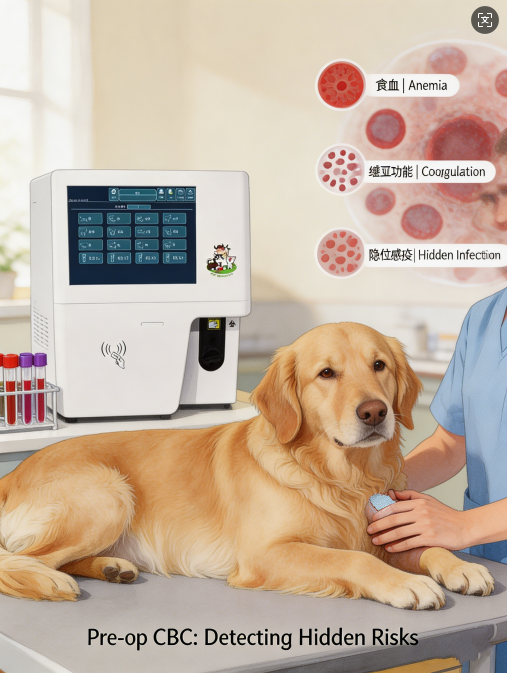
- CBC (Complete Blood Count)
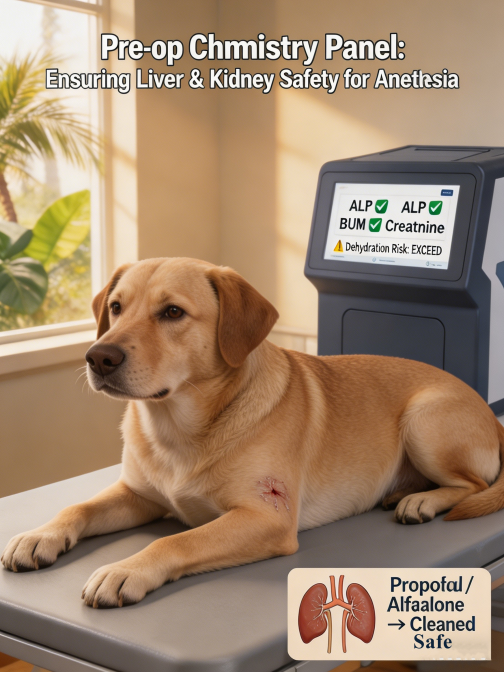
- Chemistry Profiles (The "Safety Panel")
Efficiency Tip: One-stop lab solutions let you run these tests in-house in under 15 minutes. Explore MeCanVet's Veterinary Laboratory Equipment—built to be tough and reliable for veterinary clinics.
2. Advanced Imaging: Screening for Hidden Risks
As a direct manufacturer of veterinary X-ray machines, we believe 2026 is the year chest X-rays should be the standard for every senior patient over seven years old.
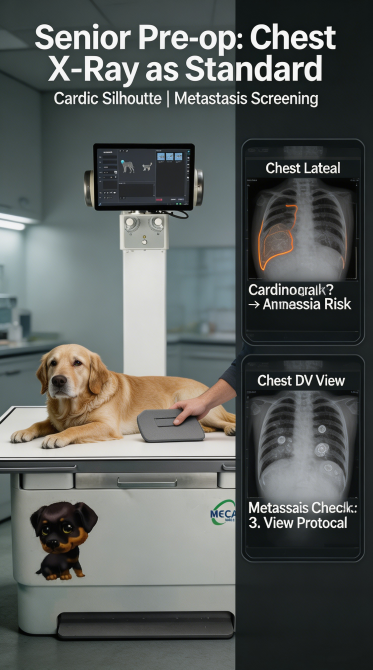
- Cardiac Silhouette Evaluation
- Metastasis Check
Power-Resilient Engineering: In developing markets, MeCanVet X-ray machines feature high-frequency generators built for unstable power grids. They guarantee clear images for every single patient, every time.
3. Cardiac Monitoring (Pre-induction ECG)
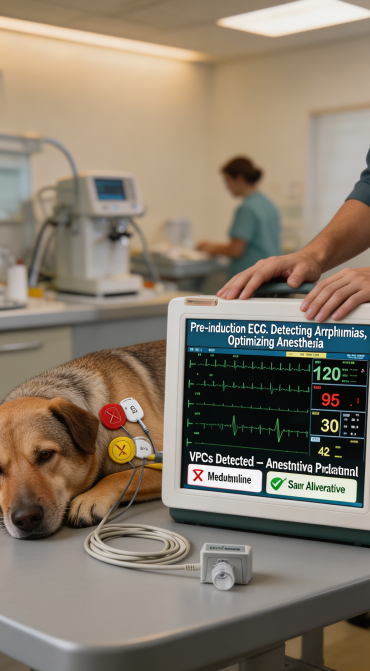
Pre-op ECGs help you spot arrhythmias (like VPCs) that anesthesia could worsen. This lets you adjust your protocol—perhaps swapping Medetomidine for a safer sedative—saving lives while protecting your clinic’s name.
The 2026 Veterinary Pre-Surgery SOP Checklist
Standardized workflows are the best way to cut human error. Apply this checklist to every surgical case to ensure safety.
Phase I: Patient Intake & Triage
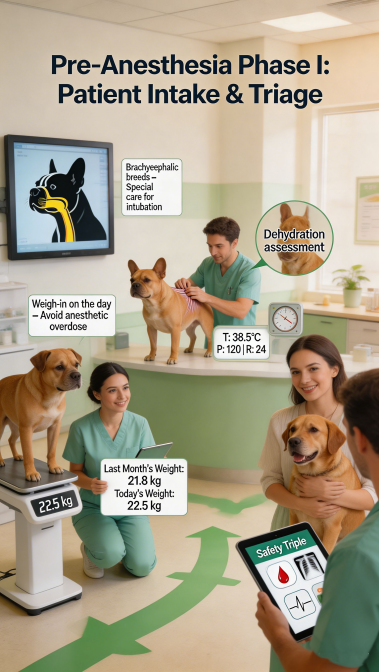
[1] Patient ID & Weight
Always weigh the animal on the day of surgery. Dosages based on "last month's weight" are a leading cause of anesthetic overdose.
[2] Breed-Specific Risks
Flag brachycephalic (flat-faced) breeds—they need special care during intubation.
[3] Physical Exam (TPR)
Record Temperature, Pulse, and Respiration (TPR). Then, check for dehydration using the skin-tent test.
[4] Owner Communication
Confirm the procedure and provide an estimate for the "Safety Triple" (Blood/X-ray/ECG).
Phase II: The Pre-Op Diagnostic Loop
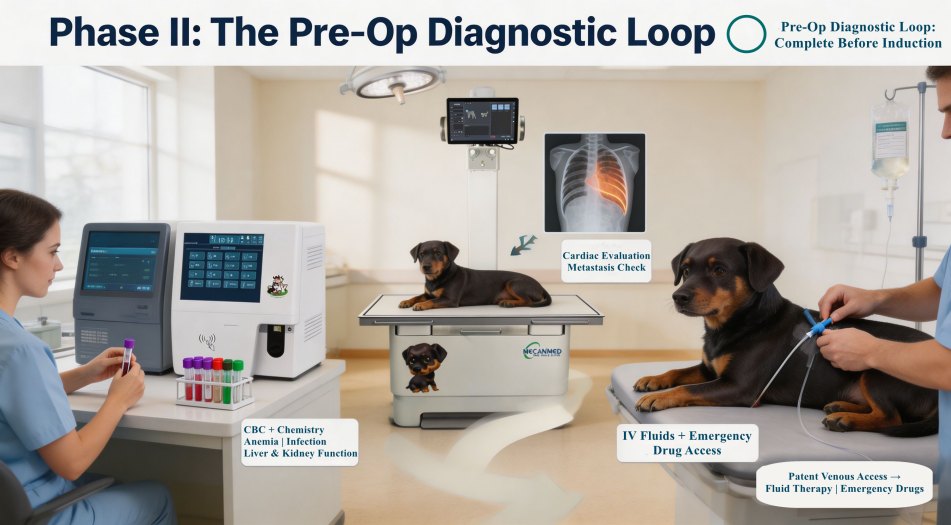 [1] In-house Blood Panel
[2] X-ray Screening
Capture Thoracic/Abdominal views as needed.
[3] IV Catheter Placement
Ensure patent venous access for fluid therapy and emergency drug administration. (Tip: In smaller patients (cats/toy breeds), use a 22G or 24G catheter for stability.)
Phase III: Theater & Equipment Prep
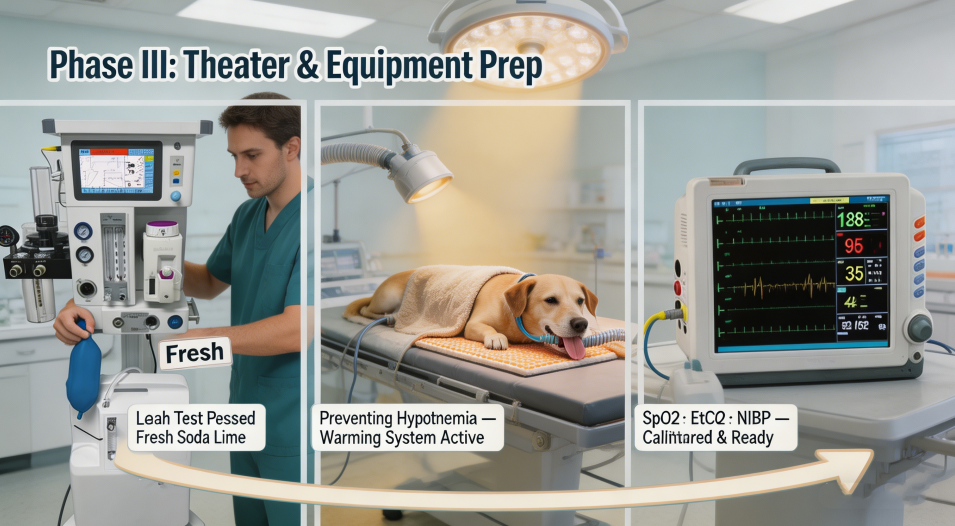 [1] Anesthesia Machine Leak Test
Ensure the breathing circuit and soda lime are fresh.
[2] Patient Warming
Set up a warming system or heating mat to prevent heat loss (hypothermia) during surgery.
[3] Post-induction Monitoring
Calibrate the Pulse Oximeter (SpO2), Capnograph (EtCO2), and Blood Pressure cuff.
Operational Efficiency: The One-Stop Solution Advantage
In markets like Nigeria, Kenya, Thailand, and Vietnam, buying medical equipment is often a logistical nightmare. Buying from multiple suppliers leads to broken workflows and slow support.
Our One-Stop solution simplifies your clinic's growth by by pairing our X-ray manufacturing expertise with hand-picked, reliable lab tools:
- Factory-Direct Expertise (X-Ray Focus)
- Curated Diagnostic Suites
- Optimized ROI for Emerging Markets
Conclusion: Elevating Veterinary Care Standards
In 2026, surgical success is decided before the first incision. By using this checklist and high-precision equipment, your clinic will save more lives and run with greater efficiency.
Upgrade Your Surgical Suite Today
Don't let outdated equipment be the bottleneck in your clinic's growth.
Choosing Between Isoflurane and Sevoflurane Vet Anesthesia
What Are the Types of Animal Models
Related Article


