
Turtle Whole Blood Red Blood Cell Transfusion and Infusion Pumps
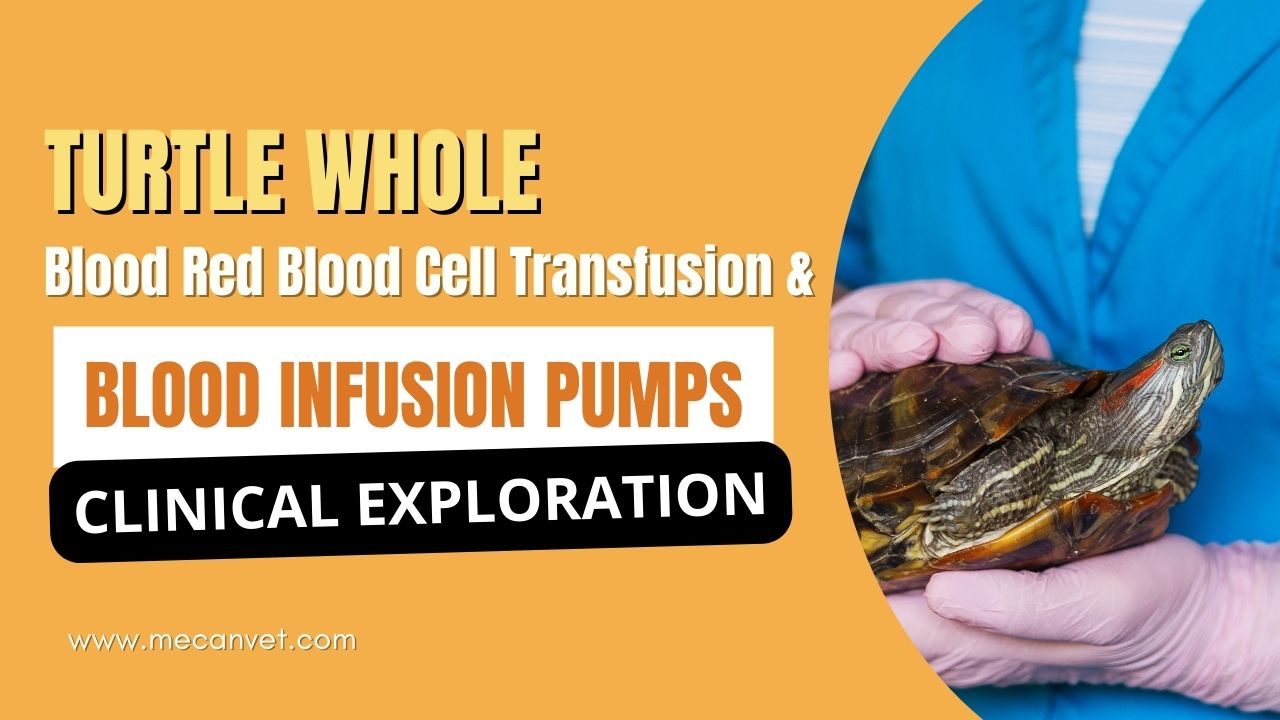
I. Introduction to Turtle Transfusions
Whole blood red blood cell transfusions in turtles are an important aspect of veterinary medicine. As these remarkable creatures face various health challenges, such transfusions can be a crucial life-saving measure. Infusion pumps play a vital role in ensuring the accurate and controlled delivery of whole blood red blood cells to turtles.
Turtles, like many other animals, can suffer from conditions that lead to a decreased number of red blood cells or compromised blood function. This may occur due to injuries, diseases, or other factors. In such cases, a transfusion of whole blood red blood cells can help restore the turtle's health and vitality.
Infusion pumps offer several advantages in turtle transfusions. They allow for precise control of the flow rate, ensuring that the blood is delivered at a safe and appropriate pace. This is particularly important as turtles have unique physiological characteristics that require careful management during medical procedures.
For example, the average price for all grades of petrol at the pump was $3.49 a gallon. While this may seem unrelated, it shows the importance of accurate measurement and control in different contexts. Just as fuel pumps ensure the proper delivery of petrol, infusion pumps ensure the proper delivery of whole blood red blood cells to turtles.
Moreover, infusion pumps can help minimize the risk of complications during transfusions. By maintaining a consistent flow rate, they reduce the likelihood of overloading the turtle's circulatory system or causing other adverse effects.
II. Understanding Red Blood Cells in Turtles
(a) Characteristics of Turtle Red Blood Cells
Turtle red blood cells have several distinct features. They are oval-shaped, which is different from the round shape of human red blood cells. These cells play a vital role in carrying oxygen throughout the turtle's body. Just like in other animals, turtle red blood cells contain hemoglobin, a protein that binds to oxygen. According to research, turtle red blood cells have a relatively high oxygen-carrying capacity, which is essential for their survival in various environments. For example, aquatic turtles need to extract oxygen from water, and their red blood cells are adapted to this task.
(b) Importance in Turtle Health
These red blood cells are crucial for the overall health and survival of turtles for several reasons. Firstly, oxygen is necessary for all cellular processes. Without an adequate supply of oxygen carried by red blood cells, turtle organs and tissues cannot function properly. This can lead to a range of health problems, including weakness, organ failure, and even death. Secondly, red blood cells also help in removing carbon dioxide from the body. This gas is a waste product of cellular metabolism, and its removal is essential for maintaining a healthy internal environment. Additionally, a healthy number of red blood cells is important for the turtle's immune system. They help in transporting nutrients and immune cells to different parts of the body, enhancing the turtle's ability to fight off diseases and infections.
III. Infusion Pumps in Turtle Transfusions
(a) Function of Infusion Pumps
Infusion pumps are essential tools in the process of transfusing whole blood red blood cells in turtles. These pumps work by precisely controlling the rate at which the blood is delivered to the turtle's body. The infusion pump is programmed to administer the blood at a specific flow rate, which is determined by the veterinarian based on the turtle's size, health condition, and other factors. For example, a small turtle may require a slower flow rate compared to a larger one. The pump continuously monitors and adjusts the flow to ensure a steady and accurate delivery. This is crucial because turtles have delicate physiological systems, and an improper flow rate could lead to serious complications.
(b) Advantages and Challenges
The use of infusion pumps in turtle transfusions offers several significant benefits. One of the main advantages is the ability to maintain a consistent flow rate. This reduces the risk of overloading the turtle's circulatory system and helps ensure a safe transfusion. According to research, various infusion pumps provide different levels of precision and control, which is essential for the success of turtle transfusions. Another benefit is that infusion pumps can be programmed to deliver the blood over a specific period, allowing for better management of the transfusion process.
However, there are also some challenges associated with using infusion pumps for turtle transfusions. One of the difficulties is the need for proper training and expertise in operating the pumps. Veterinarians and staff must be familiar with the different settings and functions of the pumps to ensure accurate and safe transfusions. Additionally, infusion pumps can be expensive, which may limit their availability in some veterinary clinics. Moreover, there is a risk of technical malfunctions or errors, which could potentially lead to incorrect blood delivery and endanger the turtle's life. Despite these challenges, the advantages of using infusion pumps in turtle transfusions outweigh the difficulties, making them an important tool in veterinary medicine.
IV. Clinical Significance
(a) Diagnostic Value
Transfusions and infusion pumps can play a significant role in diagnosing turtle health issues. When a turtle shows symptoms of weakness, lethargy, or abnormal behavior, a veterinarian may suspect a problem with its blood cells. By administering a small amount of blood through an infusion pump and observing the turtle's response, the veterinarian can gain valuable insights into the turtle's condition. For example, if the turtle shows an improvement in symptoms after a transfusion, it may indicate a deficiency in red blood cells or a problem with blood circulation. Infusion pumps also allow for precise control of the amount of blood administered, which can help in determining the severity of the problem. In addition, by monitoring the turtle's vital signs during and after the transfusion, the veterinarian can assess the effectiveness of the treatment and make adjustments as needed.
(b) Treatment Implications
Transfusions and infusion pumps are crucial in treating various turtle ailments. For turtles suffering from injuries, diseases, or other conditions that affect their blood cells, a transfusion of whole blood red blood cells can provide immediate relief and improve their chances of survival. Infusion pumps ensure that the blood is delivered at a safe and appropriate rate, minimizing the risk of complications. For example, in cases of severe anemia, a transfusion can quickly increase the number of red blood cells and improve oxygen delivery to the turtle's organs. In addition, infusion pumps can be used to administer medications or other treatments along with the blood transfusion, enhancing the effectiveness of the treatment. According to research, the use of infusion pumps in turtle transfusions has been shown to improve treatment outcomes and reduce recovery time. Moreover, by providing a controlled and accurate delivery of blood and medications, infusion pumps can help veterinarians manage complex cases and provide the best possible care for their turtle patients.
V. Conclusion
Whole blood red blood cell transfusions in turtles with the assistance of infusion pumps are of utmost importance in veterinary medicine. These procedures play a crucial role in saving the lives of turtles facing various health challenges. The precise control offered by infusion pumps ensures the safe and effective delivery of blood, which is essential for restoring the health and vitality of these remarkable creatures.
Looking to the future, there are several areas of research that could further enhance our understanding and application of turtle transfusions. For example, more studies could be conducted on the optimal flow rates and durations of transfusions for different species and sizes of turtles. This would help veterinarians make even more informed decisions when programming infusion pumps. Additionally, research on the long-term effects of transfusions and the potential for repeated transfusions could provide valuable insights into the management of chronic turtle health conditions.
Furthermore, the development of more affordable and user-friendly infusion pumps could increase their availability in veterinary clinics, especially in areas where resources are limited. This would enable more turtles to receive the life-saving treatments they need.
In conclusion, whole blood red blood cell transfusions with infusion pumps are a significant advancement in turtle veterinary care. Continued research and innovation in this field will undoubtedly lead to improved treatment outcomes and better overall health for turtles.
Why MRI is Preferred in Veterinary Neurology
Daily Maintenance of the MCS0027 Veterinary Monitor
Related Article


