
Treating Urinary Incontinence in Female Dogs
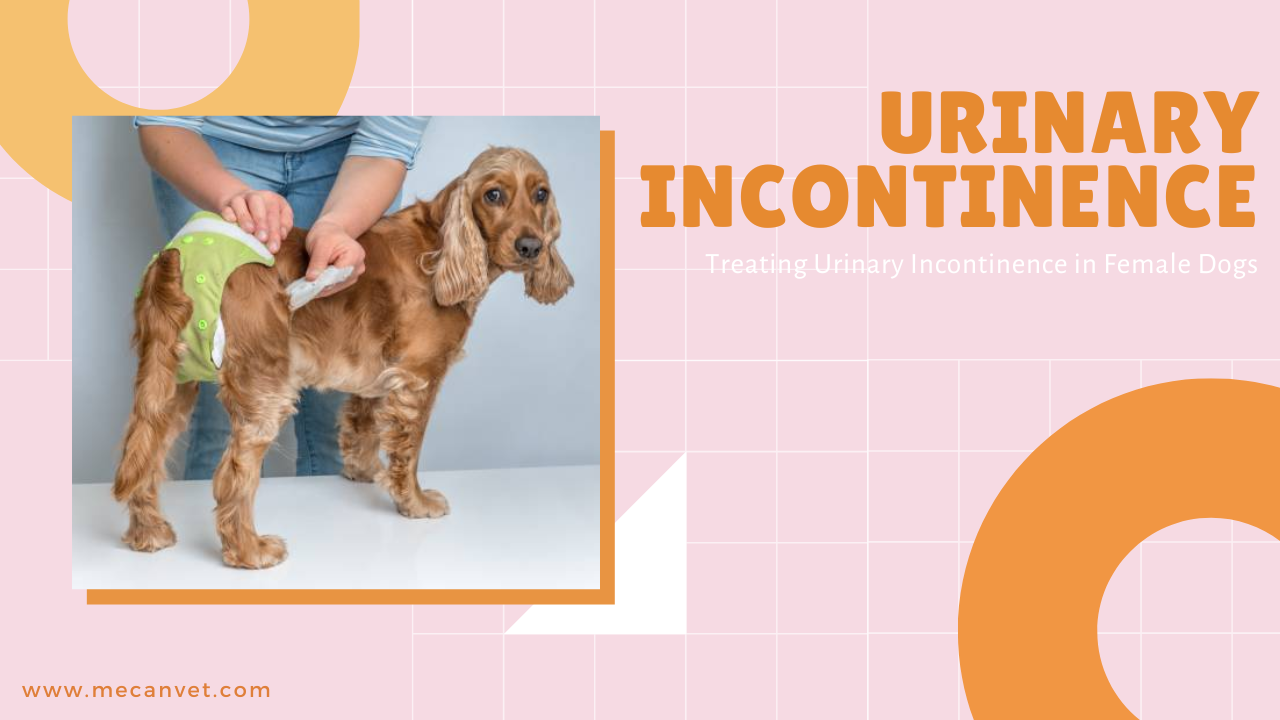 Urinary incontinence is a common issue affecting over 20% of spayed female dogs, leading to uncontrolled urine loss and various complications. While standard treatments involve oral medications to strengthen the urethral sphincter, not all dogs respond well and may experience intolerable side effects. The search for more effective solutions has led researchers to explore regenerative medicine as a promising alternative. At North Carolina State University College of Veterinary Medicine, researchers investigated the potential of regenerative medicine funded by the AKC Canine Health Foundation (CHF). Dr. Vaden, the Principal Investigator, focused on stimulating the body's repair mechanisms using skeletal muscle stem cells. These stem cells were injected into the tissue surrounding the urethral sphincter to promote the regrowth and replacement of nerve and muscle cells. The clinical trial involved fifteen dogs of various breeds and mixes with naturally occurring urinary incontinence that did not respond to standard treatments. Muscle biopsies were taken from their triceps muscles to isolate a population of muscle stem cells. Subsequently, these stem cells were injected into the urethral sphincter tissue during a surgical procedure. Dogs continued their oral medications for three months post-procedure before discontinuing to assess continence without medication. Response evaluation relied on owner questionnaires and objective urethral pressure measurements. Results, published in the Journal of Veterinary Internal Medicine, revealed significant improvements in urinary continence in 14 out of 15 dogs according to owner assessments. Notably, 11 dogs maintained continence even two years after the procedure. Although the treatment wasn't curative, with 13 dogs still requiring oral medications, it demonstrated the potential of regenerative medicine in managing urinary incontinence. While urethral pressure measurements didn't exhibit substantial changes, technical challenges and compliance issues might have influenced these results. Nevertheless, the study underscores regenerative medicine as a viable option for treating urinary incontinence in female dogs, offering hope for improved quality of life for affected animals and their owners. Despite the labor-intensive nature of the procedure and its non-curative status, the low incidence of complications in the clinical trial participants highlights its safety and potential efficacy. This research aligns with CHF's commitment to advancing canine health by exploring novel and more effective treatments. In conclusion, the study signifies a significant stride in veterinary medicine, demonstrating the feasibility and promise of regenerative medicine in addressing urinary incontinence in female dogs. As research continues, the collaboration between academia, funding organizations like CHF, and veterinary professionals remains essential in driving innovation and improving the lives of our beloved canine companions. Additional Content to Reach 1500 Words: Discussion on Urinary Incontinence in Dogs: Urinary incontinence is a prevalent condition in dogs, especially among spayed females. The weakening of the urethral sphincter muscles often leads to involuntary urine leakage, impacting the dog's comfort and causing distress to owners. Beyond the inconvenience of cleaning up accidents, urinary incontinence can predispose dogs to secondary issues such as urinary tract infections and skin irritation. Thus, finding effective treatments is imperative for enhancing the overall well-being of affected animals. Challenges of Standard Treatment: The standard approach to managing urinary incontinence in dogs involves oral medications aimed at strengthening the urethral sphincter muscles. While these medications can be effective for some dogs, others may experience adverse reactions or fail to respond adequately. Additionally, the long-term efficacy of these medications may diminish over time, necessitating alternative therapeutic options. Exploring Regenerative Medicine: Regenerative medicine represents a promising frontier in veterinary science, leveraging the body's innate repair mechanisms to address tissue and organ damage. In the context of urinary incontinence, researchers hypothesize that injecting stem cells derived from skeletal muscle may facilitate the regeneration of nerve and muscle cells in the urethral sphincter, thereby improving continence. Clinical Trial Design and Methodology: The clinical trial conducted at North Carolina State University College of Veterinary Medicine involved a cohort of fifteen female dogs diagnosed with urinary incontinence refractory to conventional treatment. The dogs underwent a two-step procedure, beginning with the extraction and processing of muscle stem cells followed by their injection into the periurethral tissue. The trial employed a combination of owner questionnaires and objective measurements to evaluate treatment outcomes, ensuring a comprehensive assessment of continence improvement. Significance of Findings: The publication of positive results in the Journal of Veterinary Internal Medicine underscores the potential efficacy of regenerative medicine in addressing urinary incontinence in female dogs. While the treatment was not curative in all cases, the observed improvements in continence and the sustained effects over an extended period are promising indicators of its therapeutic value. Moreover, the low incidence of adverse events highlights the safety profile of the procedure, further supporting its viability as a treatment option. Future Directions and Implications: The success of this clinical trial paves the way for further research into regenerative medicine-based interventions for urinary incontinence and other urological conditions in dogs. Continued investigation, including refinements in treatment protocols and larger-scale studies, will be essential for elucidating the full potential of this therapeutic approach. Additionally, collaboration between academia, veterinary practitioners, and funding organizations will be crucial for advancing translational research and ultimately improving clinical outcomes for canine patients. |
Urinary Glucose Positivity in Cats: Does It Mean Diabetes?
Why Do Dogs Circle Before Pooping?
Related Article


