
The Significance of X-rays in Canine Surgery
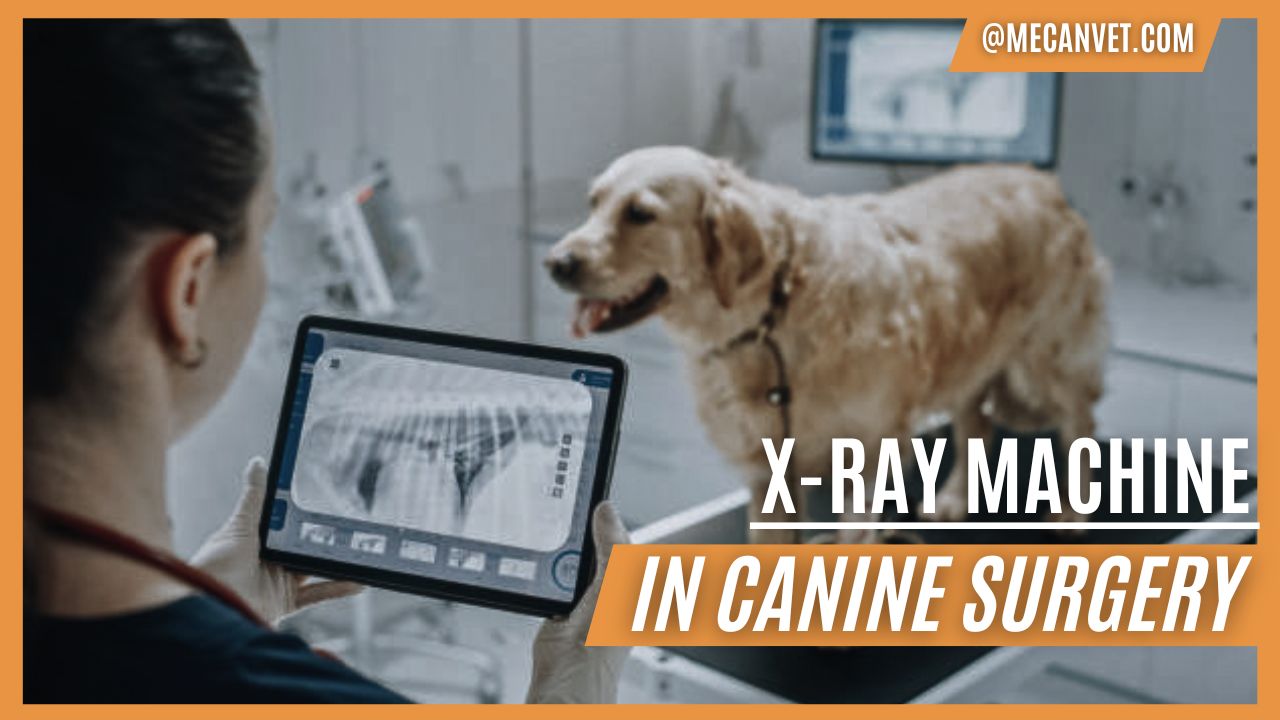 Canine surgery is an essential aspect of veterinary medicine, aimed at improving the health and well-being of our beloved furry companions. The success and safety of these surgeries largely depend on advanced diagnostic tools and precise planning. X-ray technology plays a pivotal role in this regard, offering invaluable insights and support throughout the entire surgical process.
Part I: The Role of X-rays in Diagnosing Canine Diseases X-rays, or radiographs, are a fundamental diagnostic tool used in both human and veterinary medicine. This technology relies on the basic principle of X-ray penetration, allowing for the visualization of internal structures. In the context of canines, X-rays are instrumental in diagnosing a wide range of diseases and conditions. Veterinarians use X-rays to identify fractures, joint abnormalities, and tumors in dogs. This non-invasive approach allows for a quick and accurate diagnosis, leading to prompt treatment. For instance, when a canine presents with lameness, an X-ray can reveal the presence of bone fractures, joint dysplasia, or osteoarthritis. In such cases, early diagnosis is crucial for effective intervention and improved prognosis. Furthermore, X-rays are invaluable in detecting respiratory issues in dogs. Conditions such as pneumonia, pulmonary edema, or lung tumors can be diagnosed using thoracic radiographs. This early detection aids in timely treatment and enhances the chances of a full recovery. Part II: The Role of X-rays in Preoperative Planning Before a canine surgery, a comprehensive diagnostic evaluation is necessary to assess the patient's health status and surgical requirements. X-rays play a significant role in this preoperative phase.
As part of the preoperative preparation, veterinarians employ X-rays to examine the surgical site thoroughly. This aids in determining the exact location, size, and extent of any abnormalities. For instance, a dog with a suspected abdominal tumor would undergo an abdominal X-ray to identify the tumor's size and its proximity to other vital organs. This information is crucial in surgical planning and choosing the most suitable approach.
Part III: The Role of X-rays during surgery X-ray technology is not limited to preoperative preparations; it is also crucial during surgery itself. Real-time X-ray monitoring is particularly beneficial in complex procedures.
During surgical interventions, continuous X-ray monitoring allows surgeons to precisely navigate their instruments, ensuring that they reach the intended target. This is especially vital in orthopedic surgeries where the positioning of implants or the realignment of bones is critical.
X-rays also aid in visualizing the placement of catheters or other medical devices during procedures. By ensuring that these are correctly positioned, complications can be minimized, and the overall success of the surgery is enhanced.
Part IV: The Role of X-rays in Postoperative Care and Monitoring Postoperative care is just as important as the surgical procedure itself. X-rays are used to monitor the progress of a canine's recovery and to detect any potential complications. In the postoperative phase, X-rays are utilized to assess the effectiveness of the surgical intervention. For instance, after orthopedic surgeries, follow-up X-rays allow veterinarians to ensure that bone alignment is as intended. Any deviations from the desired outcome can be identified and addressed promptly. Additionally, X-rays help in detecting postoperative complications such as infections, the formation of scar tissue, or implant displacement. Early detection of these issues is essential for timely intervention, reducing the risk of long-term problems. Part V: Ethical and Safety Considerations While X-rays are indispensable tools, it's vital to address ethical and safety concerns related to their use in veterinary medicine. The exposure of canines to X-rays should be kept to a minimum to avoid potential harm. Veterinary professionals must strictly adhere to safety protocols to protect both patients and themselves from unnecessary radiation exposure.
Ethical considerations also come into play when discussing X-ray use in canines. It is crucial to weigh the benefits of diagnosis and treatment against the potential risks. Veterinarians must always act in the best interests of their patients and consider alternative diagnostic methods when appropriate.
Part VI: Future Developments and Technological Advances As technology advances, so does the role of X-rays in canine surgery. In recent years, computed tomography (CT) and magnetic resonance imaging (MRI) have become increasingly available and play complementary roles in diagnosis and surgical planning. In conclusion, X-rays are a cornerstone of modern canine surgery, significantly contributing to successful outcomes and patient safety. These diagnostic images are essential in diagnosing diseases, planning surgeries, and monitoring postoperative recovery. Nevertheless, ethical and safety concerns must be carefully considered. As technology continues to advance, the future of X-ray technology in veterinary medicine looks promising, promising even more precise and effective surgical interventions for our four-legged friends. |
Emergency Response: How Pet Owners Can Deal with Sudden Diarrhea
Can Pets Have High Cholesterol Too?
Related Article


