
The Role of Anesthesia in Advanced Imaging for Animals
2024-04-17
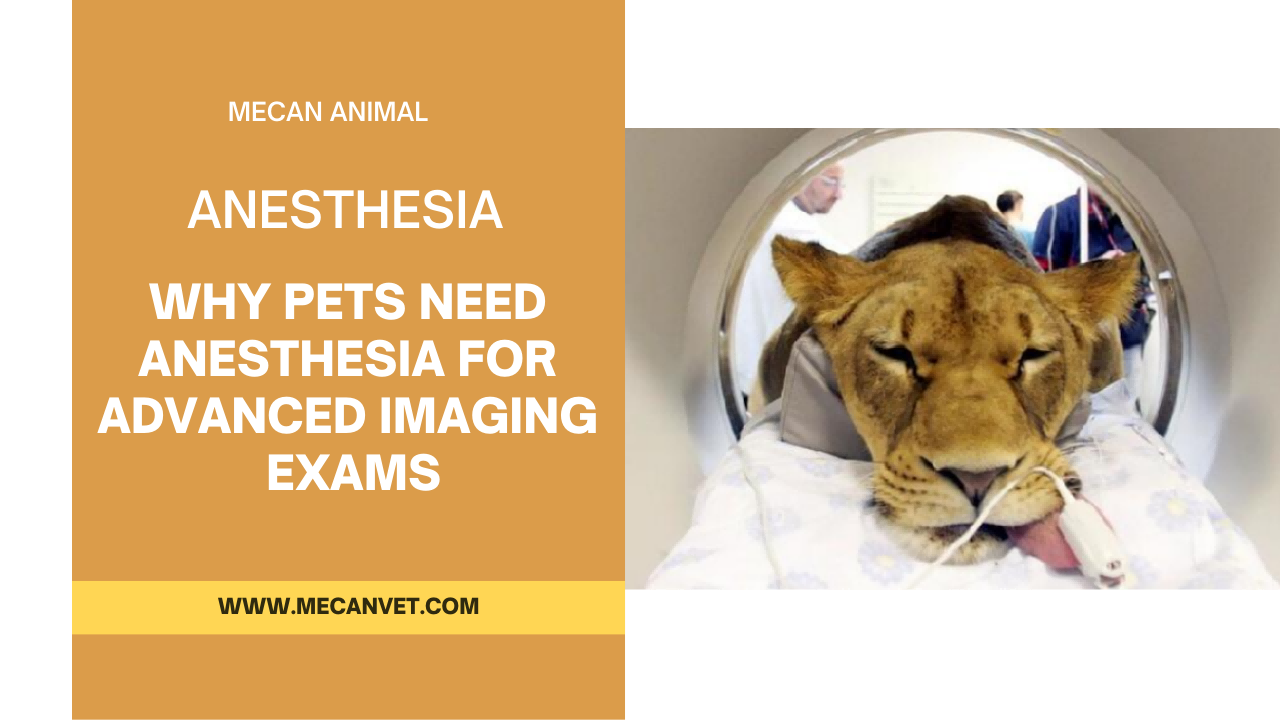 I. Introduction
In the realm of veterinary medicine, the advancement of imaging technologies has significantly contributed to the diagnosis and treatment of various medical conditions in animals. Alongside these advancements, the administration of anesthesia has become a crucial component, ensuring the safety and comfort of animals undergoing high-end imaging procedures. II. Reasons for Anesthesia in Advanced Imaging
Expanding on the reasons for anesthesia in advanced imaging involves delving deeper into the importance of each aspect mentioned. Let's explore each point further: A. Minimizing Stress and Discomfort:
The unfamiliar environment of an imaging facility, along with the necessity for precise positioning, can induce stress and anxiety in animals. This stress not only affects the animal's welfare but also interferes with the imaging process. Anesthesia provides a solution by inducing a state of unconsciousness and relaxation, effectively minimizing stress and ensuring a more comfortable experience for the animal. By alleviating anxiety, anesthesia helps maintain the animal's physiological parameters within normal ranges, contributing to more reliable imaging results. B. Ensuring Patient Immobility:
Precise imaging techniques such as MRI and CT scans demand absolute stillness from the patient to avoid motion artifacts that can compromise image quality. Even slight movements during the scanning process can blur images and hinder accurate diagnosis. Anesthesia plays a crucial role in achieving patient immobility by inducing muscle relaxation, effectively preventing involuntary movements. This immobility ensures that the images obtained are sharp, detailed, and artifact-free, enabling veterinarians to make accurate assessments and formulate appropriate treatment plans. C. Facilitating Image Quality:
High-quality images are essential for accurate diagnosis and treatment planning in veterinary medicine. Anesthesia contributes significantly to image quality by minimizing motion-related artifacts. By keeping the patient immobile throughout the imaging process, anesthesia ensures that images are clear, sharp, and free from distortions caused by movement. This clarity enables veterinarians to detect subtle abnormalities, assess tissue morphology, and make precise measurements, ultimately leading to more accurate diagnoses and better patient outcomes. D. Ensuring Safety for Veterinary Staff:
Advanced imaging procedures such as MRI and CT scans involve powerful magnets and radiation exposure, posing potential risks to both the animal and veterinary staff. Anesthesia mitigates these risks by ensuring that the patient remains still and cooperative throughout the procedure. By inducing unconsciousness and immobilizing the patient, anesthesia minimizes the likelihood of accidental injury or exposure to radiation for both the animal and veterinary staff. This not only enhances safety but also promotes a more efficient and stress-free working environment for the veterinary team. In summary, anesthesia plays a multifaceted role in advanced imaging for animals, addressing various challenges and ensuring the success of diagnostic procedures. From minimizing stress and discomfort to facilitating image quality and ensuring safety, anesthesia is indispensable in achieving accurate diagnoses and optimal patient care in veterinary imaging.
III. Considerations for Anesthesia in Different Imaging Modalities
Each imaging modality presents unique challenges and considerations regarding anesthesia administration: A. Magnetic Resonance Imaging (MRI):
MRI scanning involves placing the animal inside a powerful magnet for an extended period, often up to an hour or more. Anesthesia protocols for MRI must address the need for prolonged immobilization while ensuring the safety and well-being of the patient. Special attention is given to selecting anesthetic agents that are compatible with the magnetic field and do not interfere with image quality. Additionally, monitoring the patient's vital signs throughout the procedure is essential to detect any adverse effects of anesthesia. B. Computed Tomography (CT):
CT scanning exposes the patient to ionizing radiation, necessitating swift and efficient imaging protocols to minimize radiation exposure. Anesthesia protocols for CT scans focus on achieving rapid immobilization to obtain high-quality images while minimizing the duration of anesthesia to reduce the risk of complications. Close monitoring of the patient's vital signs and response to anesthesia is crucial during CT imaging to ensure patient safety and optimize imaging outcomes. C. Positron Emission Tomography (PET):
PET imaging involves the administration of radioactive tracers, which poses additional considerations for anesthesia management. Anesthesia protocols for PET scans prioritize safety by minimizing the risk of radiation exposure to both the patient and veterinary staff. Special precautions are taken to ensure proper handling and disposal of radioactive materials, and strict adherence to radiation safety protocols is essential throughout the procedure. D. Nuclear Scintigraphy:
Nuclear scintigraphy utilizes radioactive isotopes to visualize physiological processes within the body. Anesthesia protocols for nuclear scintigraphy focus on ensuring patient comfort and safety while facilitating the imaging process. Careful consideration is given to the selection of anesthetic agents and monitoring techniques to minimize the risk of adverse effects and ensure optimal imaging outcomes. E. Ultrasonography:
While ultrasonography is generally less invasive than other imaging modalities, anesthesia may still be necessary for certain procedures, particularly in anxious or uncooperative animals. Anesthesia protocols for ultrasonography aim to provide sedation or anesthesia tailored to the individual patient's needs, allowing for optimal imaging conditions while ensuring patient comfort and safety. Close monitoring of the patient's vital signs and response to anesthesia is essential throughout the procedure to detect and manage any complications promptly. In summary, anesthesia considerations vary across different imaging modalities, with each technique presenting unique challenges and requirements. By tailoring anesthesia protocols to the specific needs of each imaging modality and individual patient, veterinarians can ensure safe, effective, and successful imaging procedures for their animal patients.
IV. Anesthetic Protocols and Monitoring
Effective anesthesia management is essential for the safety and well-being of animals undergoing advanced imaging. Key considerations include:
A. Pre-Anesthetic Evaluation
Prior to anesthesia administration, animals undergo a thorough pre-anesthetic evaluation to assess their health status and identify any underlying conditions that may affect anesthesia. B. Selection of Anesthetic Agents
The choice of anesthetic agents depends on factors such as the animal's species, size, health status, and the requirements of the imaging procedure. Anesthesia protocols aim to achieve adequate sedation and muscle relaxation while minimizing side effects. C. Anesthesia Monitoring During Imaging Procedures
Continuous monitoring of vital signs, including heart rate, respiratory rate, blood pressure, and oxygen saturation, is essential during imaging procedures. Veterinary staff closely monitor anesthesia depth and adjust anesthetic agents as needed to ensure the animal's safety. V. Risks and Complications Associated with Anesthesia
While anesthesia is generally safe when administered by trained professionals, there are inherent risks and potential complications, including respiratory depression, cardiovascular depression, and allergic reactions. Veterinary teams implement comprehensive safety protocols to mitigate these risks and respond promptly to any adverse events. Anesthesia plays a critical role in facilitating advanced imaging procedures for animals, ensuring their safety, comfort, and the generation of high-quality diagnostic images. By understanding the importance of anesthesia and implementing appropriate protocols and monitoring techniques, veterinary teams can optimize patient care and improve clinical outcomes in the field of veterinary imaging. |
What is Induction Anesthesia for Pets?
The Vital Role of Pet Pregnancy Exams
Related Article

Build a complete veterinary clinic with one-stop equipment planning for imaging, surgery, anesthesia, laboratory testing, recovery, and animal care.
One-Stop Veterinary Clinic Setup Guide: Imaging, Surgery, Lab and Recovery

Learn how to set up a veterinary clinic in 2026 with a complete equipment list for imaging, surgery, lab, recovery, grooming, and daily diagnosis.
How to Set Up a Veterinary Clinic: Complete Equipment List for 2026

