
The Correct Usage of Veterinary Patient Monitors
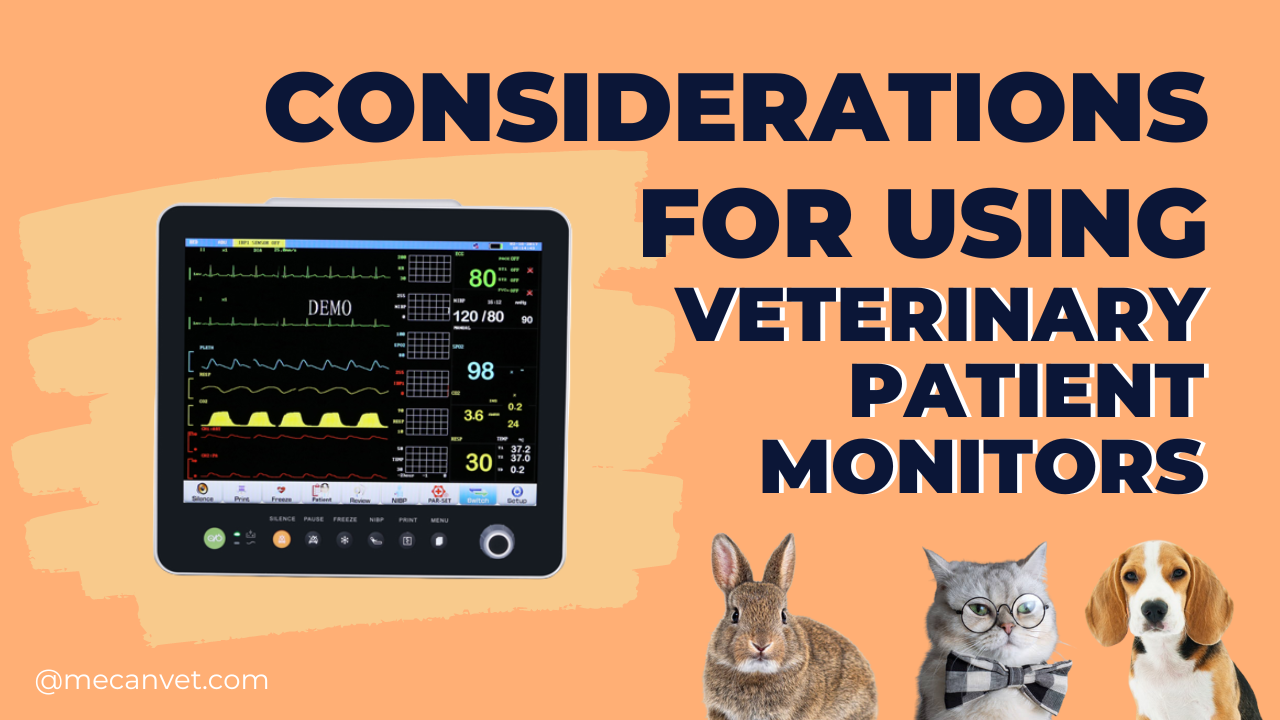 With the advancement of veterinary medicine, medical animal patient monitors are being widely used. Animal monitors can monitor animals' vital signs in real-time during surgeries, treatment, and daily care, ensuring the safety of animals throughout medical procedures. Correctly using veterinary monitors is crucial for improving veterinary diagnosis and treatment, and safeguarding animal health.
I. Choosing Suitable Monitor Models When selecting a veterinary monitor, considerations should be given to the animal species, size, and build. Different species have varied anatomical structures and physiological parameters. The probes and sensors of the monitor must be able to correctly match the animal's body and collect accurate vital signs. Therefore, monitors designed specifically for different animals are necessary. For example, mini monitors should be used for small animals like cats and dogs to ensure suitable sizes of sensors. Large animals like horses and cattle require relatively large monitors. The monitor should also have sufficient battery life to meet the duration of surgeries and treatments. II. Connecting the Veterinary Monitor Properly Before using a veterinary monitor, all connections should be completed properly following the user manual. This includes securely attaching all probes and sensors on animals' bodies at positions suitable for collecting specific vital signs. For example, ECG sensors should be fixed near the chest cavity, and SpO2 probes placed on tongues, ears, or tails. Attention should also be paid to secure wire connections to avoid detachment during animals' movements. The monitor main unit should then be connected to the power supply and checked for connections with sensors after turning on. III. Configuring Parameters According to Animals Normal value ranges of vital signs vary among different species, ages, and health conditions of animals. Before using the monitor, parameters like heart rate, blood pressure, respiratory rate, and SpO2 should be configured according to the specific animal. For example, heart and respiratory rates are usually higher in juvenile animals compared to adults. Readings tend to be lower in elderly or ill animals. Accurate parameter configuration is essential for identifying abnormalities during monitoring. IV. Real-time Monitoring of Vital Signs Powered veterinary monitors can continuously monitor various vital signs including ECG, blood pressure, respiratory rate, SpO2, and temperature. These parameters are displayed as waveforms or digits on the monitor for vets to observe animals' health status in real-time. During surgeries, continuously monitoring these changing parameters can quickly detect emergencies like respiratory failure or decreasing blood flow for timely treatment. V. Timely Notification of Abnormalities to Vets When abnormalities like increased heart rate or decreased blood pressure are observed on the monitor, caregivers should immediately inform the attending vet. Vets can then judge changes in medical conditions based on the results, and adjust treatment plans accordingly. If necessary, blood tests can be done to identify the causes of abnormalities. Early detection and treatment can prevent deteriorating conditions and even save lives. VI. Recording Monitored Data as Medical History Continuous long-term monitoring with veterinary monitors can collect large amounts of accurate vital sign data. Keeping records of these data as important medical history provides vets with further information to analyze medical condition changes and evaluate treatment efficacy, aiding future treatment planning. VII. Use and Maintenance of the Equipment Thorough cleaning and disinfection should be carried out on monitors according to protocols after use to prepare for the next animal patient. Regular maintenance includes calibration, battery, wires, and accessories checks. Timely replacement of accessories is also crucial. For example, SpO2 sensors have limited lifespan and can impact accuracy after surpassing usage duration. Proper equipment maintenance ensures monitoring precision. In conclusion, veterinary monitors are instrumental for vets to better observe medical conditions, guide treatment, and ensure surgical and critical care safety. But they cannot replace vets' professional judgment and application of the data. Only with proper use of monitors can their assistance be maximized to improve veterinary care quality and safety. |
Comprehensive Guide to Caring for Adult Dogs
How to Prevent and Control Whipworm Disease in Dogs
Related Article


