
The Comprehensive Guide to Dog Nail Trimming
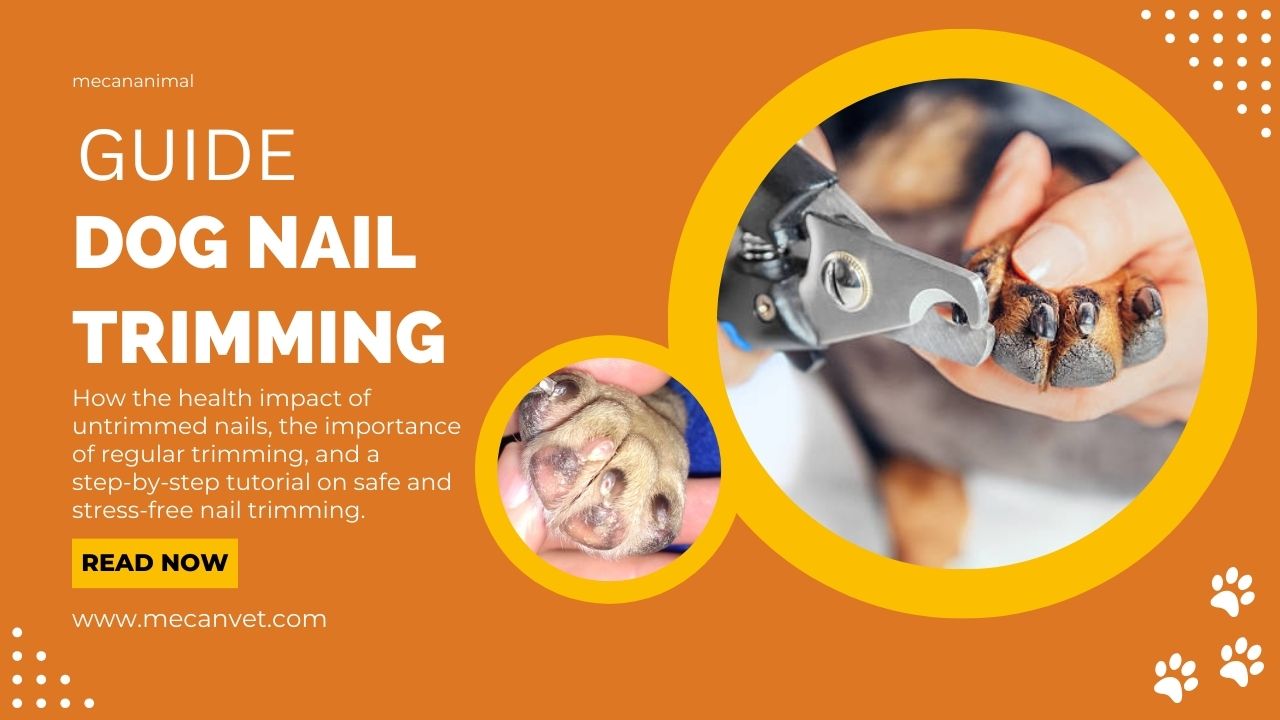 The significance of regular nail trimming for dogs extends far beyond aesthetics; it is a crucial element in maintaining their overall health, comfort, and well-being. Untrimmed nails can lead to a myriad of issues, impacting not only the dog's physical health but also their behavior and quality of life. Long nails can cause discomfort and affect the dog's posture and gait. When nails become overgrown, they can alter the natural alignment of the toes and foot pads, leading to joint issues and musculoskeletal problems. Dogs with excessively long nails may experience pain when walking or standing, and the altered posture may even contribute to the development of more severe conditions such as arthritis. Beyond the physical implications, neglected nails can also affect a dog's behavior. Discomfort from overgrown nails can lead to irritability and reluctance to engage in physical activities, affecting their overall happiness and mental well-being. Dogs may become less active, less willing to play, and more prone to stress and anxiety. Regular nail trimming is a preventive measure against various health issues. When left unchecked, overgrown nails can cause the nails to break or split, leading to painful conditions and potential infections. Moreover, untrimmed nails can curl into the dog's paw pads, causing discomfort, difficulty in walking, and increasing the risk of injury. Why Regular Nail Trimming is Necessary Dogs in the wild naturally wear down their nails through physical activities and walking on different surfaces. However, domesticated dogs often do not have the same opportunities for natural nail wear, especially if they spend a significant amount of time indoors or on soft surfaces like carpets. Regular nail trimming is necessary to mimic the natural wear and prevent the aforementioned complications. It ensures that the dog's nails remain at an appropriate length, allowing for proper weight distribution, optimal posture, and preventing the myriad of issues associated with overgrown nails. In addition to the physical benefits, routine nail trimming is an excellent opportunity for dog owners to inspect the overall health of their pet's paws. It allows for the early detection of any abnormalities, injuries, or signs of infection. By making nail trimming a regular part of the grooming routine, dog owners can actively contribute to their pet's holistic health care. In essence, the importance of nail trimming for dogs cannot be overstated. It is an integral aspect of responsible pet ownership, directly impacting the dog's physical health, behavior, and overall quality of life. Regular attention to their nails ensures that dogs can lead happy, comfortable, and healthy lives. II. Preparation A. Necessary Tools Proper tools are the foundation of successful nail trimming: Nail clippers or scissors Styptic powder or styptic pencil Dog-specific nail clippers (size-appropriate) B. Creating a Tranquil Environment Choose a quiet, well-lit space for the trimming session. Utilize treats, toys, or a familiar blanket to create a calm and comfortable environment. C. Understanding Nail Structure Understanding the anatomy of a dog's nail, especially the quick, is crucial. This knowledge helps prevent injuries and ensures a painless trimming process. III. How to Determine When Trimming is Needed A. Signs of Overgrown Nails Look for audible clicking on hard surfaces, visible curling of the nails, or changes in your dog's gait indicating discomfort. B. Common Nail Issues in Dogs Be vigilant for signs of ingrown nails, split nails, or infections, which may require special attention during trimming. IV. Step-by-Step Guide: Trimming Your Dog's Nails A. Demonstrating the Process Introduce your dog to the process gradually, starting with gentle paw handling. Demonstrate the clipping motion beforehand. B. Proper Paw Holding Securely yet gently hold your dog's paw, providing stability for accurate and stress-free trimming. C. Avoiding the Quick Use a bright light behind the nail to identify the quick. Trim gradually, ensuring you do not cut into the sensitive blood vessel. D. Correct Use of Styptic Powder or Styptic Pencil In case of accidental bleeding, swiftly apply styptic powder or use a styptic pencil to stop bleeding. V. Techniques for Different Dog Sizes A. Small Dogs Use precision and gentleness with smaller breeds, opting for smaller, more accurate clippers. B. Medium Dogs Standard-sized clippers work well for medium-sized dogs. Focus on gradual trimming to avoid stress. C. Large Dogs Larger clippers provide better results for bigger breeds. Pay attention to weight distribution during the process. D. Special Considerations for Long-Haired Dogs Take extra care with long-haired breeds to avoid hair interference during the trimming process. VI. Dealing with Issues A. Accidentally Cutting the Quick Stay calm in case of accidental bleeding. Apply styptic powder immediately and monitor your dog for signs of distress. B. Handling Resistance during Nail Trimming Build positive associations with treats and praise, taking breaks if needed. Gradual desensitization helps reduce resistance. C. Addressing Anxiety in Dogs Utilize desensitization techniques and consider professional assistance for dogs with heightened anxiety or fear. VII. Post-Trimming Care A. Using a Nail Grinder Consider using a nail grinder to smooth edges for added comfort post-trim. B. Rewarding and Encouraging Your Dog Praise and offer treats post-trimming to create positive associations with the experience. C. Monitoring Nail Growth and Establishing a Regular Trimming Schedule Keep an eye on nail growth and establish a routine trimming schedule based on your dog's needs. VIII. Common Misconceptions and Advice A. Importance of Not Neglecting Nail Care Emphasize the significance of regular nail care, dispelling the misconception that it is optional. B. Avoiding Over-Trimming Educate on the risks of over-trimming, advocating for a gradual approach to achieve optimal results. C. Helping Your Dog Acclimate for Easier Trimming Offer tips for gradually introducing your dog to the trimming process, creating a positive and stress-free experience. In summary, regular nail trimming transcends mere cosmetic considerations; it stands as a pivotal element in safeguarding your dog's well-being and comfort. By integrating this practice into your routine, you actively contribute to fostering a life of joy and optimal health for your cherished canine companion. |
Preventing Unintended Mating Among Sibling Dogs
How to Feed Fish When You're Ill?
Related Article


