
Temperature Tailoring: Elevating Your Cat's Living Space
2023-12-06
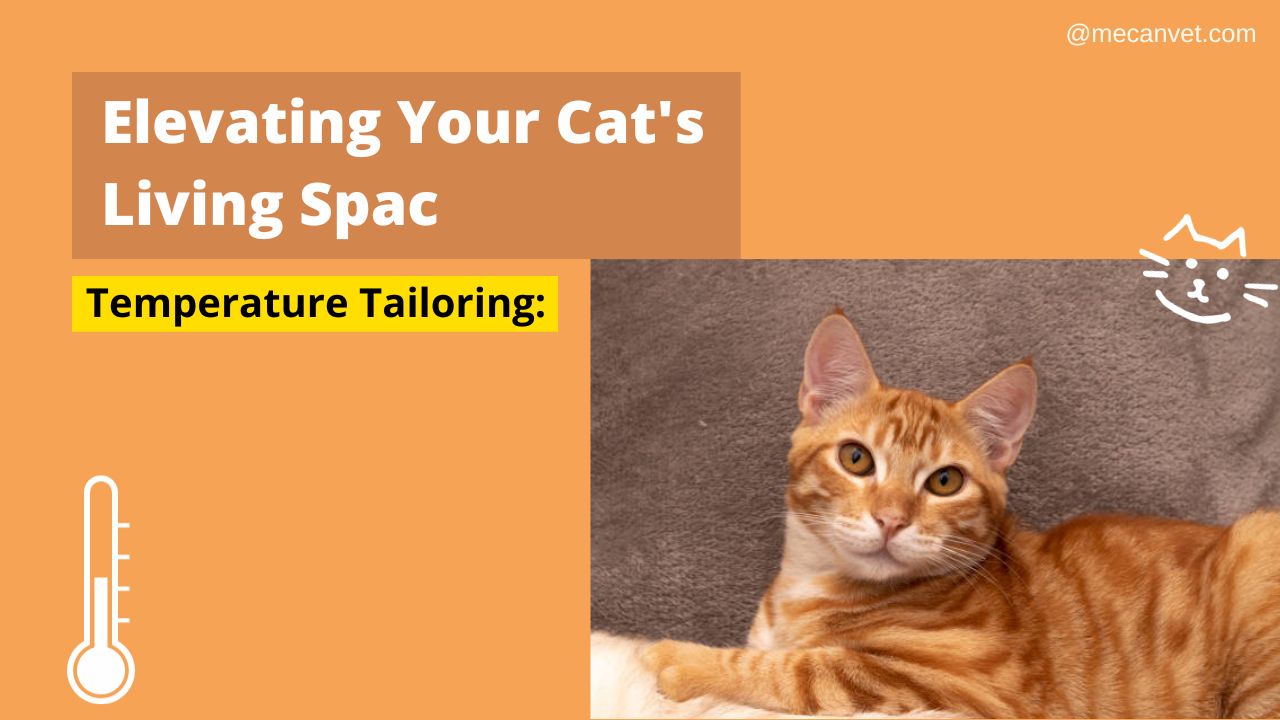 Cats, fascinating and enigmatic companions, possess a remarkable sensitivity to temperature that profoundly influences their well-being. Understanding the reasons behind their thermosensitivity unveils a world of physiological intricacies that shape their preferences and behaviors. Unlike humans, cats are obligate thermophiles, meaning their bodies rely on external warmth to maintain optimal internal temperatures. Let's explore the underlying factors that make cats such discerning connoisseurs of temperature and why catering to their thermoregulatory needs is paramount for their overall health and happiness.
I. The Ideal Room Temperature Range for Cats Cats' Temperature Sensitivity:
Diving into the intricate world of feline thermoregulation reveals a delicate balance that shapes cats' preferences and behaviors. Unlike some other mammals, cats are homeothermic, meaning they maintain a relatively constant internal body temperature. This unique characteristic is attributed to their efficient heat-producing metabolism, well-insulated fur, and complex system of thermoregulatory mechanisms. Cats' fur density plays a pivotal role in their temperature sensitivity. The insulating properties of their fur provide protection against external temperature fluctuations. However, this very adaptation makes them susceptible to overheating in warmer conditions, necessitating a keen understanding of their thermal preferences. Moreover, a cat's metabolic rate is intricately linked to its thermoregulatory needs. As obligate carnivores, cats have a higher metabolic rate than many other domesticated animals. This heightened metabolic activity generates internal heat, requiring an environment that supports efficient heat dissipation to prevent overheating. Recommended Room Temperature Range:
To create an environment conducive to a cat's well-being, maintaining an optimal room temperature is essential. The recommended room temperature for cats typically falls within the range of 22 to 26 degrees Celsius (72-79 degrees Fahrenheit). This range aligns with the feline thermoneutral zone, where a cat expends minimal energy to maintain its body temperature without resorting to excessive heat-seeking or cooling behaviors. In this temperature range, a cat's metabolism functions optimally, supporting overall health and ensuring that the energy derived from their diet is utilized efficiently. It's worth noting that individual cats may exhibit slight variations in their ideal temperature preferences, influenced by factors such as age, health status, and breed.
Understanding and adhering to this recommended temperature range not only promotes the physical well-being of cats but also contributes to their psychological comfort. A carefully regulated environment minimizes stress, enhances the effectiveness of their immune system, and fosters a content and thriving feline companion.
II. Adapting to Seasonal Temperature Changes Cooling Strategies for Summer:
As temperatures soar during the scorching summer months, feline friends, clad in their fur coats, require thoughtful adaptations to ensure their well-being. Cats employ various strategies to stay cool, and understanding these behaviors allows owners to proactively create a comfortable environment. 1. Seeking Shade and Cool Surfaces: In response to rising temperatures, cats instinctively seek shade to escape the direct heat of the sun. Owners should ensure that outdoor spaces provide ample shaded areas, encouraging their feline companions to rest in cooler spots. Additionally, offering cool surfaces, such as ceramic tiles or chilled pads, gives cats a refreshing respite. 2. Grooming for Evaporative Cooling: Cats use grooming as a natural cooling mechanism. Moistening their fur through licking enables evaporative cooling as the water evaporates from their coat. Providing access to fresh water for drinking and maintaining good hydration supports this cooling process. 3. Indoor Cooling Solutions: Inside the home, owners can implement cooling strategies such as using fans or air conditioning. Placing a fan in a well-ventilated area or providing a designated cool room can help prevent heat stress, especially for indoor cats without access to outdoor shade. Warming Measures for Winter:
Conversely, as winter brings colder temperatures, cat owners must ensure their feline companions remain snug and warm. Cats have evolved behaviors to conserve heat during colder months, and owners can enhance these natural instincts. 1. Creating Warm Resting Spots: Cats prefer warm and cozy spots for resting. Providing heated beds or blankets in strategic locations, away from drafts, ensures that cats have comfortable places to curl up during chilly weather. Elevated resting spots may also help cats avoid cold floors. 2. Insulating Windows and Doors: Preventing cold drafts is crucial in maintaining a comfortable indoor environment. Sealing windows and doors minimizes heat loss, creating a more energy-efficient and warmer space for cats to thrive. 3. Utilizing Radiant Heaters:
Radiant heaters, placed in safe locations, can supplement warmth without excessively drying the air. These heaters mimic the sun's radiant heat, providing a gentle and comfortable source of warmth for cats. By attuning to the seasonal temperature needs of their feline companions, cat owners can implement these strategies to ensure a year-round environment that promotes both physical comfort and psychological well-being. Whether cooling down in the summer or staying cozy in the winter, understanding and adapting to seasonal changes is paramount in providing optimal care for our feline friends.
III. Recognizing Signs of Overheating and Cold Symptoms of Overheating:
Understanding the impact of overheating on cats is crucial for timely intervention and prevention of potential health issues. Overheating can lead to serious consequences, affecting both physical and behavioral aspects of a cat's well-being. 1. Excessive Panting:
Overheating often triggers excessive panting in cats. If you observe your cat breathing rapidly with an extended tongue, it is a clear sign of heat stress. Immediate action is necessary to prevent further complications. 2. Lethargy and Weakness: Cats may become lethargic and weak when overheated. If your cat shows signs of decreased activity and appears unusually tired, it is essential to cool them down promptly. 3. Drooling and Salivation: Overheating can cause cats to drool excessively. If you notice an increase in salivation, especially when accompanied by other signs of heat stress, it indicates that your cat is struggling to regulate its body temperature. What to Do for Overheating:
1. Move to a Cooler Environment: Immediately relocate your cat to a cooler area, preferably a well-ventilated space with shade. Indoors, turn on fans or air conditioning to facilitate cooling. 2. Offer Fresh Water: Ensure access to fresh, cool water. Hydration is crucial in assisting cats in regulating their body temperature. You can also dampen a cloth with cool water and gently wipe your cat to aid in evaporative cooling. 3. Contact Your Veterinarian: If your cat's condition does not improve or if you observe severe signs of distress, it is imperative to contact your veterinarian promptly. Professional guidance may be necessary to address any underlying health issues exacerbated by overheating. Indicators of Cold Stress:
Cold stress can have adverse effects on a cat's physical and mental well-being, making it essential for owners to recognize signs indicating discomfort due to low temperatures. 1. Shivering and Trembling: When a cat is cold, it may exhibit shivering or trembling as a natural response to generate body heat. Persistent shivering indicates prolonged exposure to cold and potential cold stress. 2. Curling Up in a Tight Ball: Cats instinctively curl up in a tight ball to conserve body heat when they feel cold. While this behavior is normal in colder environments, excessive or prolonged curling may signal discomfort. 3. Seeking Warmth: Cats may actively seek warm spots or attempt to snuggle against heat sources, such as heaters or warm appliances. Persistent attempts to find warmth signify that your cat is struggling to maintain its body temperature. What to Do for Cold Stress:
1. Provide a Warm Environment: Ensure that your home is adequately heated, and create warm resting spots for your cat. Offering heated beds or blankets in their favorite resting areas can alleviate cold stress. 2. Avoid Drafts: Shield your cat from cold drafts by closing windows and doors or providing cozy hideouts in draft-free zones. Drafts can contribute significantly to cold stress, especially during the winter months. 3. Monitor for Health Issues: Persistent cold stress may exacerbate underlying health conditions. Regular veterinary check-ups are crucial to identify and address any health concerns that may impact a cat's ability to cope with colder temperatures. IV. Considering Individual Differences Special Needs of Certain Cats:
Understanding that individual cats may have unique requirements based on factors such as age, health condition, and breed is essential for tailoring their environment to ensure optimal comfort and well-being. 1. Elderly Cats:
Temperature Sensitivity: Older cats may struggle with temperature regulation due to age-related changes in metabolism and reduced mobility. They may prefer warmer environments to prevent discomfort and support joint health. Recommendations: Provide heated beds or blankets, ensure a cozy and draft-free resting area, and monitor for signs of cold stress or overheating. 2. Kittens:
Temperature Sensitivity: Kittens, especially those below 8 weeks old, have underdeveloped thermoregulatory mechanisms, making them more susceptible to temperature fluctuations. Recommendations: Maintain a warmer environment (around 29 degrees Celsius or 84 degrees Fahrenheit) for young kittens, provide a heat source, and monitor for signs of overheating.
3. Cats with Health Issues:
Temperature Sensitivity: Cats recovering from illness or with chronic health conditions may have compromised thermoregulatory abilities, requiring extra care. Recommendations: Adjust room temperature based on their specific needs. Consult with a veterinarian to understand how health conditions may impact temperature preferences. 4. Long-Haired Breeds:
Temperature Sensitivity: Cats with long, dense fur may be more prone to overheating, especially in warmer climates. Recommendations: Ensure access to cool areas, provide regular grooming to prevent matting, and consider trimming the fur in hot weather to enhance heat dissipation. 5. Short-Haired Breeds:
Temperature Sensitivity: Short-haired breeds may be more sensitive to colder temperatures. Recommendations: Offer warm resting spots, provide heated beds, and monitor for signs of cold stress during colder seasons. 6. Sphynx Cats:
Temperature Sensitivity: Sphynx cats, being hairless, are more susceptible to temperature extremes and may require extra warmth. Recommendations: Keep them warm in cooler environments, provide heated beds, and ensure they are not exposed to prolonged cold conditions. Understanding the specific needs of individual cats based on these factors allows owners to create a tailored environment that addresses their unique temperature preferences. Regular observation, adjustments, and proactive care contribute to a holistic approach in ensuring the well-being of cats with diverse requirements. By recognizing and accommodating these individual differences, cat owners can provide a customized and nurturing home environment for their feline companions, promoting health, comfort, and a harmonious relationship.
V. Conclusion and Recommendations The Importance of Room Temperature:
Maintaining an optimal room temperature is fundamental to a cat's physiological and psychological well-being. By understanding feline thermoregulation, owners can create an environment that promotes health, comfort, and a harmonious human-animal bond. Regular Observation and Adjustment:
Encouraging owners to consistently observe their cats and adjust the environment accordingly reflects a proactive approach to feline care. It establishes a foundation for preventive healthcare, ensuring that any deviations from the norm are addressed promptly. Providing Warmth and Comfort:
Offering warm beds, strategically adjusting room temperature, and considering individual needs collectively contribute to a cat's overall comfort. A cat's home should be a sanctuary where its thermoregulatory needs are met, fostering a happy and healthy life. In conclusion, this comprehensive guide combines knowledge of feline thermoregulation with practical strategies for cat owners to optimize room temperatures. By implementing these practices, owners can elevate their cats' quality of life, creating an environment where they thrive physically and emotionally.
|
Canine Addison's Disease
Why Do Female Cats Carry Their Kittens by the Neck?
Related Article

Build a complete veterinary clinic with one-stop equipment planning for imaging, surgery, anesthesia, laboratory testing, recovery, and animal care.
One-Stop Veterinary Clinic Setup Guide: Imaging, Surgery, Lab and Recovery

Learn how to set up a veterinary clinic in 2026 with a complete equipment list for imaging, surgery, lab, recovery, grooming, and daily diagnosis.
How to Set Up a Veterinary Clinic: Complete Equipment List for 2026

