
Puppy Weaning: Simple Tips for a Smooth Transition
2023-11-22
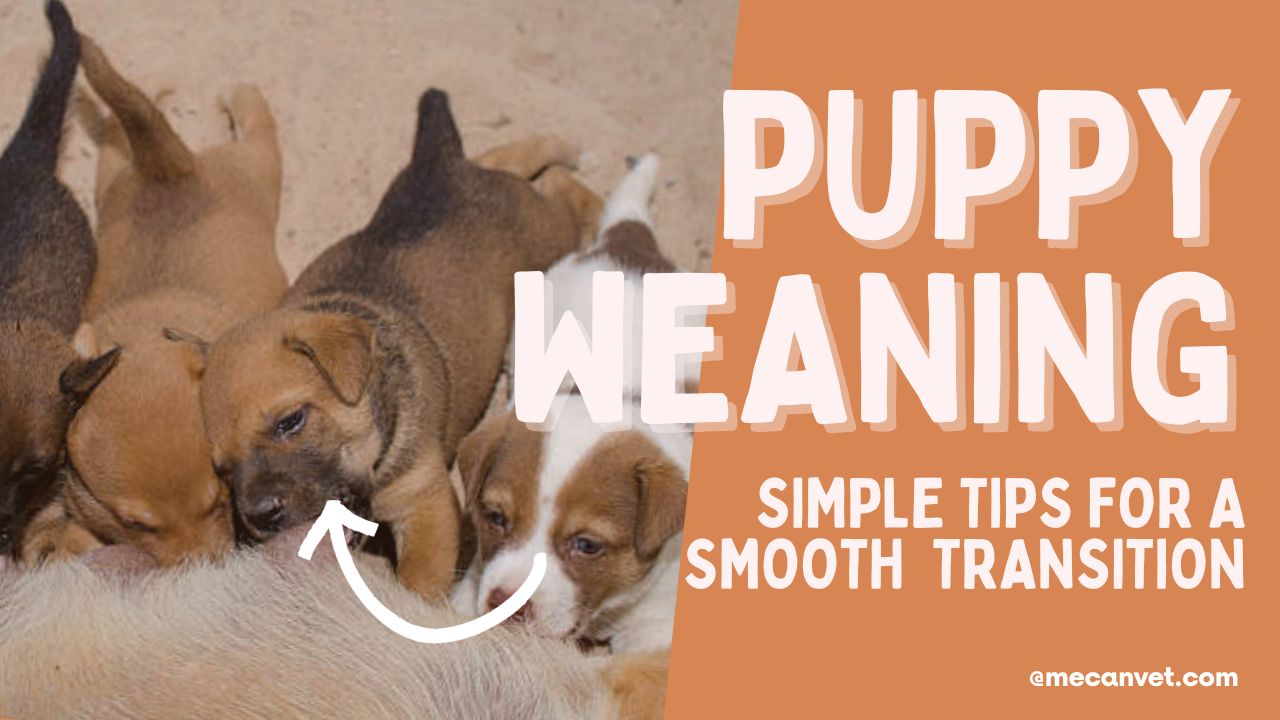 Owning a dog is a joyous experience filled with wagging tails, wet noses, and boundless love. As responsible pet parents, it's crucial to understand the various stages of a dog's life, including the weaning process. In this comprehensive guide, we'll delve into the world of weaning, exploring when and how to transition your furry friend from milk to solid food. Whether you're a first-time dog owner or a seasoned pro, this article aims to provide simple, practical insights into the weaning journey.
I. Understanding the Weaning Process 1.1 The Importance of Weaning
Dogs, like many mammals, go through a natural process called weaning, where they transition from their mother's milk to solid food. This period is crucial for their growth and development, laying the foundation for a healthy and happy life. 1.2 Ideal Age for Weaning
The timing of weaning varies among different dog breeds, but a general guideline is to start the process around three to four weeks of age. This is when puppies begin to show interest in their surroundings and display some independence. II. Signs that Your Puppy is Ready 2.1 Behavioral Cues
Observing your puppy's behavior is key to understanding their readiness for weaning. Look for signs such as increased curiosity about their surroundings, a willingness to explore, and a decrease in dependence on their mother. 2.2 Physical Milestones
As puppies grow, their teeth start to emerge, making nursing uncomfortable for the mother. Additionally, they develop the ability to lap up liquid and eventually chew soft solids. These physical milestones indicate that your pup is ready to transition to a more solid diet. III. The Gradual Transition to Solid Food 3.1 Choosing the Right Puppy Food
Selecting a high-quality puppy food is crucial during the weaning process. Opt for a reputable brand that provides essential nutrients for your puppy's growth. Consult your veterinarian to determine the best nutritional plan for your specific breed. 3.2 Mixing Puppy Food with Milk Replacer
To ease the transition, consider mixing the puppy food with a milk replacer. This helps maintain some familiarity with the taste and texture while introducing the pup to the concept of chewing and swallowing solid food. IV. Feeding Schedule and Portion Control 4.1 Establishing a Feeding Schedule
Creating a consistent feeding schedule is essential for your puppy's development. As a general rule, feed your pup small, frequent meals throughout the day to accommodate their smaller stomach capacity. 4.2 Portion Control
Pay attention to portion sizes to prevent overfeeding or underfeeding. Your veterinarian can guide you on the appropriate amount of food based on your puppy's breed, age, and weight. V. Monitoring Your Puppy's Progress 5.1 Observing Digestive Health
Keep a close eye on your puppy's digestive health during the weaning process. Diarrhea, constipation, or vomiting may indicate that the transition is happening too quickly or that the chosen food doesn't agree with your puppy's stomach. 5.2 Adjusting the Diet
Be prepared to make adjustments to the diet as your puppy grows. Their nutritional needs evolve, and consulting your veterinarian regularly will help ensure that your pup receives the necessary nutrients at each stage of development. VI. The Role of the Mother Dog 6.1 Gradual Separation
While weaning is a natural process, it's essential to manage the gradual separation of the mother and puppies. This helps both parties adjust emotionally and reduces stress. 6.2 Ensuring the Mother's Health
As the puppies transition to solid food, the mother's nutritional needs change as well. Provide her with a balanced diet to support her health and recovery. VII. Common Challenges and Solutions 7.1 Picky Eaters
Some puppies may be picky eaters during the weaning process. Experiment with different textures and flavors to find a food that your puppy enjoys. Patience and persistence are key. 7.2 Weaning in Multi-Puppy Litters
If you have a litter of puppies, monitor each one's progress individually. Some may adapt to solid food more quickly than others. Be prepared to adjust your approach based on the needs of each puppy. VIII. Celebrating Milestones 8.1 Gradual Independence
Weaning is not just about transitioning to solid food; it's also a step toward independence for your puppy. Celebrate this milestone by providing new toys, creating a safe play area, and gradually introducing them to the broader environment. 8.2 Continued Veterinary Guidance
Even after the weaning process is complete, regular veterinary check-ups are crucial. Your veterinarian will continue to guide you on your dog's nutritional needs, vaccinations, and overall health throughout their life. |
Winter Dog Care: Essential Tips for a Happy Pup
Preserving the Precious: A Call to Action for Ape Conservation
Related Article

Build a complete veterinary clinic with one-stop equipment planning for imaging, surgery, anesthesia, laboratory testing, recovery, and animal care.
One-Stop Veterinary Clinic Setup Guide: Imaging, Surgery, Lab and Recovery

Learn how to set up a veterinary clinic in 2026 with a complete equipment list for imaging, surgery, lab, recovery, grooming, and daily diagnosis.
How to Set Up a Veterinary Clinic: Complete Equipment List for 2026

