
Welcome to MeCan Vet

qr Code Url

Scan qrcode to view mobile website

    Home Highlights Industry News Pet Ultrasound Prep: What You Need to Know
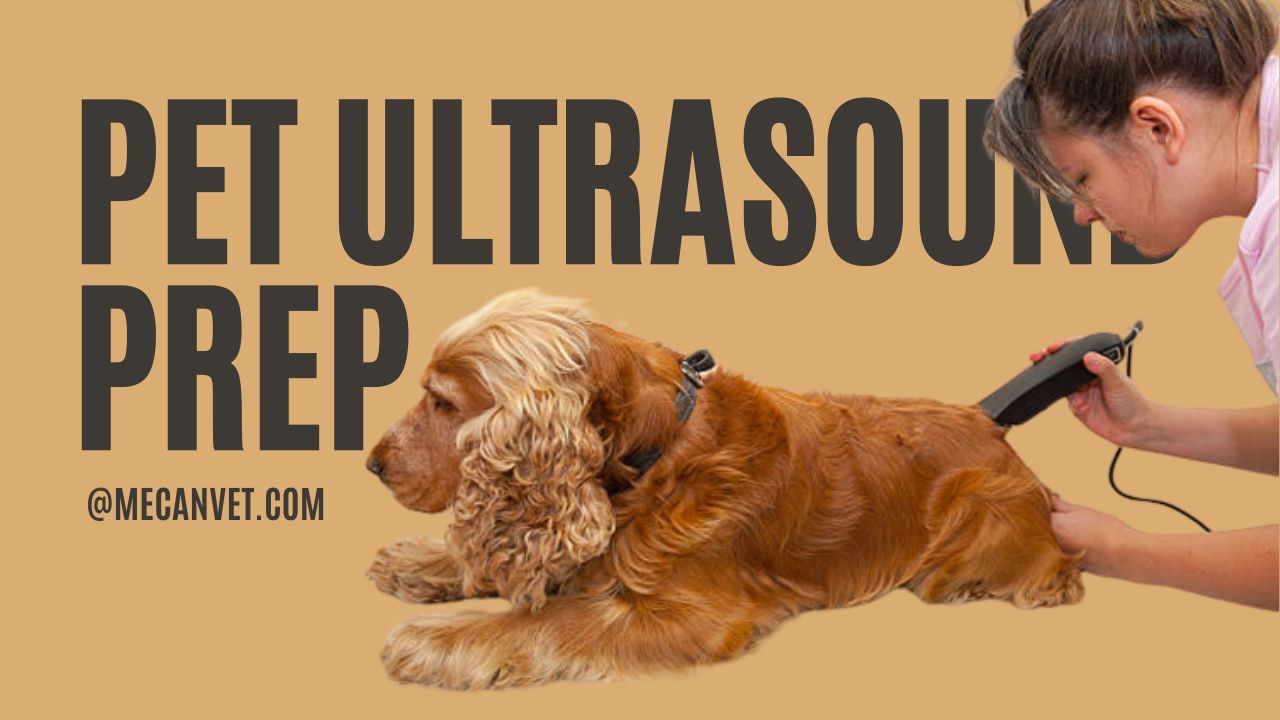
    Pet Ultrasound Prep: What You Need to Know

    2023-09-22
    Pet Ultrasound Prep: What You Need to Know
     
    As devoted pet owners, the health and happiness of our beloved companions are of paramount importance. Routine veterinary check-ups and diagnostic procedures play a crucial role in ensuring their well-being. One such diagnostic tool that has revolutionized the way we monitor our pets' health is abdominal ultrasound.
     

    Understanding Abdominal Ultrasound for Pets:

    Abdominal ultrasound is a non-invasive diagnostic procedure that employs high-frequency sound waves to create real-time images of your pet's internal organs. It allows veterinarians to examine the liver, spleen, kidneys, bladder, and other abdominal structures, providing invaluable insights into your pet's health.

    This painless and safe procedure is an essential tool for diagnosing various conditions, including urinary tract issues, gastrointestinal problems, and abnormalities in the liver or spleen. Understanding the significance of abdominal ultrasound in your pet's healthcare can help you appreciate the importance of proper preparation.

    Step One: Consultation with Your Veterinarian
    Before scheduling an abdominal ultrasound, it is essential to consult your veterinarian. During this consultation, your veterinarian will discuss the reasons for the procedure and its importance. They will also address any concerns or questions you may have, providing a clear understanding of your pet's health condition. This consultation sets the stage for a cooperative and informed approach to your pet's well-being.

    Step Two: Dietary and Medication Preparations
    Abdominal ultrasounds are typically performed on pets in a fasting state. Fasting for 8 to 12 hours before the procedure is usually recommended, but it's vital to follow your veterinarian's specific guidelines. Fasting ensures that your pet's stomach is empty, allowing for clearer ultrasound images. If your pet is currently taking medication, consult your veterinarian to determine if any medications should be temporarily discontinued before the examination.

    Step Three: Preparing Your Pet's Comfort
    Ensuring your pet's comfort during the trip to the veterinary clinic is essential. If your pet tends to get anxious during car rides or vet visits, consider using a suitable pet carrier or crate to help them feel secure. Make sure the carrier is appropriately sized to allow your pet to stand, turn around, and lie down comfortably. If your pet experiences severe anxiety, consult your veterinarian for guidance on using calming methods, but always avoid administering sedative medications without professional advice.

    Step Four: Schedule an Appointment
    To ensure a smooth experience, it's crucial to schedule an appointment for the abdominal ultrasound in advance. Booking an appointment helps minimize wait times and ensures that you and your pet are well-prepared. During the appointment booking, inquire about the estimated duration of the examination and any specific preparation requirements.

    Step Five: Gather Necessary Documents
    Before heading to the veterinary clinic, don't forget to bring your pet's medical records, insurance information, and any other relevant documents. These documents provide valuable insights into your pet's health history and previous medical treatments, aiding in accurate diagnosis and treatment planning.

    Step Six: Post-Examination Care
    Once the abdominal ultrasound is complete, your veterinarian may provide post-examination care instructions. These instructions may encompass dietary recommendations, medication guidelines, and advice regarding your pet's activity level. It's crucial to diligently follow these recommendations to ensure your pet receives the best possible care.

    Abdominal ultrasound is a valuable tool in the realm of veterinary medicine, offering profound insights into your pet's abdominal organ health. Proper preparation ensures your pet's comfort and the smooth execution of the examination. By prioritizing your pet's health, you provide them with a longer and higher-quality life. With this responsibility and love, we can ensure our beloved pets remain healthy and happy. Let's work together to prepare for the abdominal ultrasound and secure the best possible care for their well-being.


    Share:

    Exploring Canine Food Aversion: Understanding Why Dogs Won't Eat

    Enhancing Your Dog's Health: The Power of Diverse Nutrition

    Related Article

    image
    Build a complete veterinary clinic with one-stop equipment planning for imaging, surgery, anesthesia, laboratory testing, recovery, and animal care.
    One-Stop Veterinary Clinic Setup Guide: Imaging, Surgery, Lab and Recovery
    2026-07-02
    image
    Learn how to set up a veterinary clinic in 2026 with a complete equipment list for imaging, surgery, lab, recovery, grooming, and daily diagnosis.
    How to Set Up a Veterinary Clinic: Complete Equipment List for 2026
    2026-06-02
    image
    Veterinary Ultrasound Maintenance tips for clinics. Learn how to reduce repair costs, protect probes, and extend ultrasound system lifespan.
    Veterinary Ultrasound Maintenance: Tips to Extend Life
    2026-05-28
    image
    Discover the essential ophthalmology equipment - from slit lamps to tonometers - needed to upgrade your veterinary eye clinic and improve diagnostic accuracy.
    Top Ophthalmology Devices Every Veterinary Eye Clinic Needs
    2026-05-19

    Phone/Whatsapp: +86-17324331586

    Email: market02@mecanmedical.com

    Tel: +86-20-84835259

    Address​​​​​​: Room 510, Yidong Mansion, No.301, Huanshi Middle Rd, Xiaobei, Yuexiu, Guangzhou, China

    Products

    Solutions

    Services

    Contact

    Download

    Subscribe to our latest news

    SiteMap

    Copyright © 2021 King Theme v2. Powered by web
    (8674)
    0