
Welcome to MeCan Vet

qr Code Url

Scan qrcode to view mobile website

    Home Highlights Industry News Pet Anesthesia: Is It Safe?
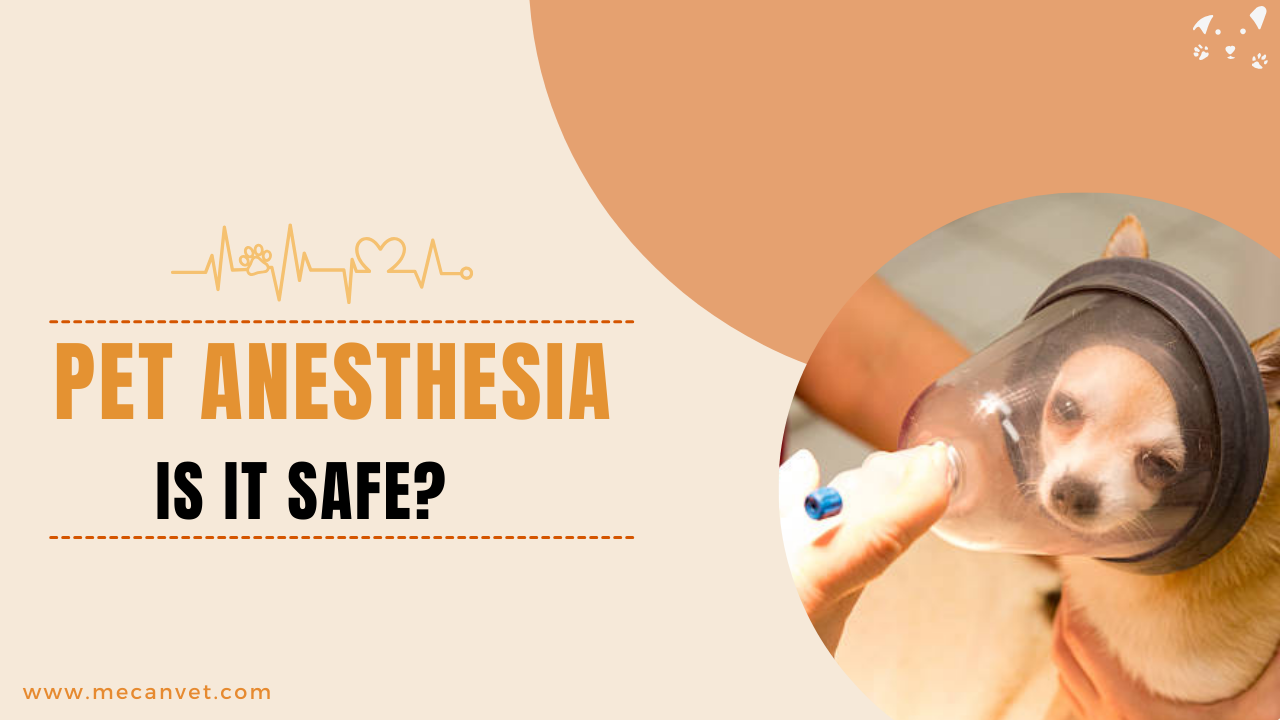
    Pet Anesthesia: Is It Safe?

    2024-04-24
    Pet Anesthesia: Is It Safe?
     
    As pet owners, we often find ourselves in situations where we need to take our pets to the veterinarian for treatment. In some cases, this may require anesthesia for our furry friends. Anesthesia is a realm that is unfamiliar and worrisome for many of us, but in reality, pet anesthesia is a relatively safe medical procedure that can greatly ensure the comfort and safety of our pets during treatment. In this article, we will delve into the various aspects of pet anesthesia to help you better understand the process, thereby reducing your concerns and fears about it
     

    I. When Does Your Pet Need Anesthesia?

    There are many situations in which pets may require anesthesia, including but not limited to the following common scenarios:
    • Surgery: Spaying/neutering, tumor removal surgery, etc.
    • Diagnostic Tests: X-rays, CT scans, MRI scans, etc., which require pets to remain still.
    • Treatment: Wound suturing, bandage changes, blood sampling, etc., which require pets to be immobilized.
    • Dental Cleaning: Comprehensive oral examination and cleaning procedures that require pets to be under anesthesia.
    • Apart from these, there are many other instances where anesthesia may be necessary for pets, depending on their health condition and treatment needs.

    II. Types of Pet Anesthesia

    Pet anesthesia involves various types, each with its specific purposes and applications. Here are the common types of pet anesthesia:

    • Local Anesthesia: Administered at specific sites to block pain signals. Used for minor surgeries or pain management, such as skin repairs or soft tissue incisions. Common local anesthetics include lidocaine and bupivacaine.
    • General Anesthesia: Induces unconsciousness in the entire body, typically used for surgeries or procedures requiring deep anesthesia. General anesthesia drugs can be categorized into intravenous and inhalation anesthesia. Intravenous drugs rapidly induce anesthesia, while inhalation drugs maintain anesthesia. Common general anesthesia drugs include propofol, thiopental, and isoflurane.
    • Sedatives: Keep pets calm and relaxed while maintaining consciousness. Sedatives are often used to help pets remain calm during treatments, reducing anxiety and fear. They can also be used in combination with other anesthesia drugs to reduce dosage and risk. Common sedatives include diazepam and midazolam.
    • Surface Anesthesia: Applied to the surface of the skin for minor procedures or examinations, such as skin biopsies or sampling. Surface anesthesia drugs are usually administered as sprays or creams to quickly alleviate local pain. Common surface anesthesia drugs include lidocaine sprays and lidocaine gels.
    • Continuous Rate Infusion (CRI): Provides continuous anesthesia and analgesia after surgery to alleviate postoperative pain and discomfort, improving pet comfort. CRI is typically administered via intravenous infusion, with dosage and rate adjusted according to the pet's needs and pain levels.
    • Understanding the different types of pet anesthesia is crucial for selecting the appropriate anesthesia regimen and comprehending the anesthesia process. When anesthesia is necessary for pets, veterinarians choose the most suitable anesthesia method based on the pet's condition, surgical type, and individual characteristics, ensuring pets' safety and comfort during treatment.

    III. Before Anesthesia:

    Before administering anesthesia to your pet, veterinarians conduct a series of preoperative assessments, including examining the pet's health, obtaining the pet's medical history and diagnosis, and assessing the anesthesia risk. At this stage, veterinarians may ask you to follow some preoperative preparation guidelines, such as fasting before meals, stopping water intake in advance, etc., to ensure smooth surgery and anesthesia.

    IV. During Anesthesia:

    During the anesthesia process, your pet may experience some special states, including:
    • Immobility: Anesthesia drugs induce a state of unconsciousness, causing muscle relaxation, making pets unable to move independently or perceive their surroundings.
       
    • Pain Insensitivity: Anesthesia drugs effectively block pets' perception of pain, ensuring that pets do not feel pain during surgery or treatment procedures.
    • Unawareness: Pets are in a sleep-like state under anesthesia, unaware that they are undergoing treatment or surgery, and unable to remember or perceive this experience.
    • Inability to Remember the Experience: Anesthesia drugs affect pets' memory and cognitive functions, making pets unable to remember the surgical or treatment process after anesthesia.
    Veterinarians use professional monitoring equipment and techniques to monitor pets' vital signs during anesthesia and adjust the dosage and frequency of anesthesia drugs as needed. Monitoring during anesthesia is crucial, as it helps medical teams detect and address any issues promptly, ensuring pets' safe completion of surgery or treatment processes.

    V. After Anesthesia:

    After anesthesia, pets enter a slow recovery process. During this process, pets may experience some normal reactions, such as nausea, vomiting, lethargy, etc. Veterinarians and nurses provide appropriate support and monitoring to ensure that pets safely return to consciousness and provide proper pain management and care to alleviate pets' discomfort.

    Understanding the process and safety of pet anesthesia is a crucial step in ensuring that your pet receives optimal medical care. Although anesthesia may make us feel anxious, under the supervision of a professional veterinary team, pet anesthesia is a relatively safe medical procedure that can ensure pets' comfort and safety during treatment. When your pet needs surgery or treatment, trust your veterinary team and provide support and care to help your pet through this experience.
    Most importantly, do not forget to provide extra love and care to your pets after anesthesia, helping them recover to a healthy and active state as soon as possible. If you have any questions or concerns about pet anesthesia, feel free to communicate with your veterinarian, as they will provide you with professional advice and support.


    Share:

    How Important X-ray Examinations in Pet Check-ups

    Understanding X-Ray Exams for Pets

    Related Article

    image
    Build a complete veterinary clinic with one-stop equipment planning for imaging, surgery, anesthesia, laboratory testing, recovery, and animal care.
    One-Stop Veterinary Clinic Setup Guide: Imaging, Surgery, Lab and Recovery
    2026-07-02
    image
    Learn how to set up a veterinary clinic in 2026 with a complete equipment list for imaging, surgery, lab, recovery, grooming, and daily diagnosis.
    How to Set Up a Veterinary Clinic: Complete Equipment List for 2026
    2026-06-02
    image
    Veterinary Ultrasound Maintenance tips for clinics. Learn how to reduce repair costs, protect probes, and extend ultrasound system lifespan.
    Veterinary Ultrasound Maintenance: Tips to Extend Life
    2026-05-28
    image
    Discover the essential ophthalmology equipment - from slit lamps to tonometers - needed to upgrade your veterinary eye clinic and improve diagnostic accuracy.
    Top Ophthalmology Devices Every Veterinary Eye Clinic Needs
    2026-05-19

    Phone/Whatsapp: +86-17324331586

    Email: market02@mecanmedical.com

    Tel: +86-20-84835259

    Address​​​​​​: Room 510, Yidong Mansion, No.301, Huanshi Middle Rd, Xiaobei, Yuexiu, Guangzhou, China

    Products

    Solutions

    Services

    Contact

    Download

    Subscribe to our latest news

    SiteMap

    Copyright © 2021 King Theme v2. Powered by web
    (8674)
    0