
New Treatment for Cat-borne abdomen You Should Know About
Author: OncoVetDu, Chinese Veterinarian in Medical Oncology
Introduction:
Feline infectious peritonitis (FIP, hereafter referred to as feline transmissible abdomen) is a chronic, progressive, immune-mediated disease caused by feline coronavirus (FCoV) infection, with
a lethality rate approaching 100% once clinical signs appear, and the disease is currently one of the leading causes of feline mortality.
There are currently two ideas for the treatment of feline transmissible abdomen: direct use of anti-coronavirus and modification of the immune response to coronavirus in affected cats. In
terms of direct antiviral drugs, recent studies have found that certain small molecules such as GC-376 (3c-like protease) and GS-441524 (nucleoside analog) can effectively inhibit feline
infectious peritonitis virus both in vivo and in vitro and GS-441524 can effectively treat naturally occurring feline infectious peritonitis. As research has progressed, a large number of
drugs used in the treatment of human neo-coronaviruses, such as monupiravir and raltegravir, can also treat feline transmissible peritoneum. Many immunomodulatory agents such as
corticosteroids, cyclosporine, interferon, and polyprenyl immunostimulant (which enhances the T-cell response) have also been used in the treatment of feline transmissible peritoneum in
altering the immune response to coronavirus in affected cats. However, currently, only polyprenyl immunostimulant improves survival in dry feline transmissible peritonitis.
GGW102 is a small-molecule chemotherapeutic drug with independent intellectual property rights from a Chinese biotechnology company, which can enhance feline T-cell function and has
been found to treat feline transmissible abdomen in
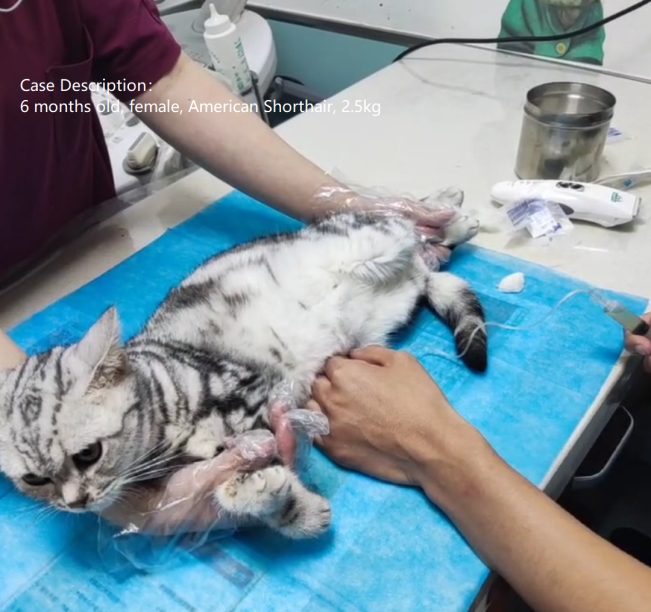
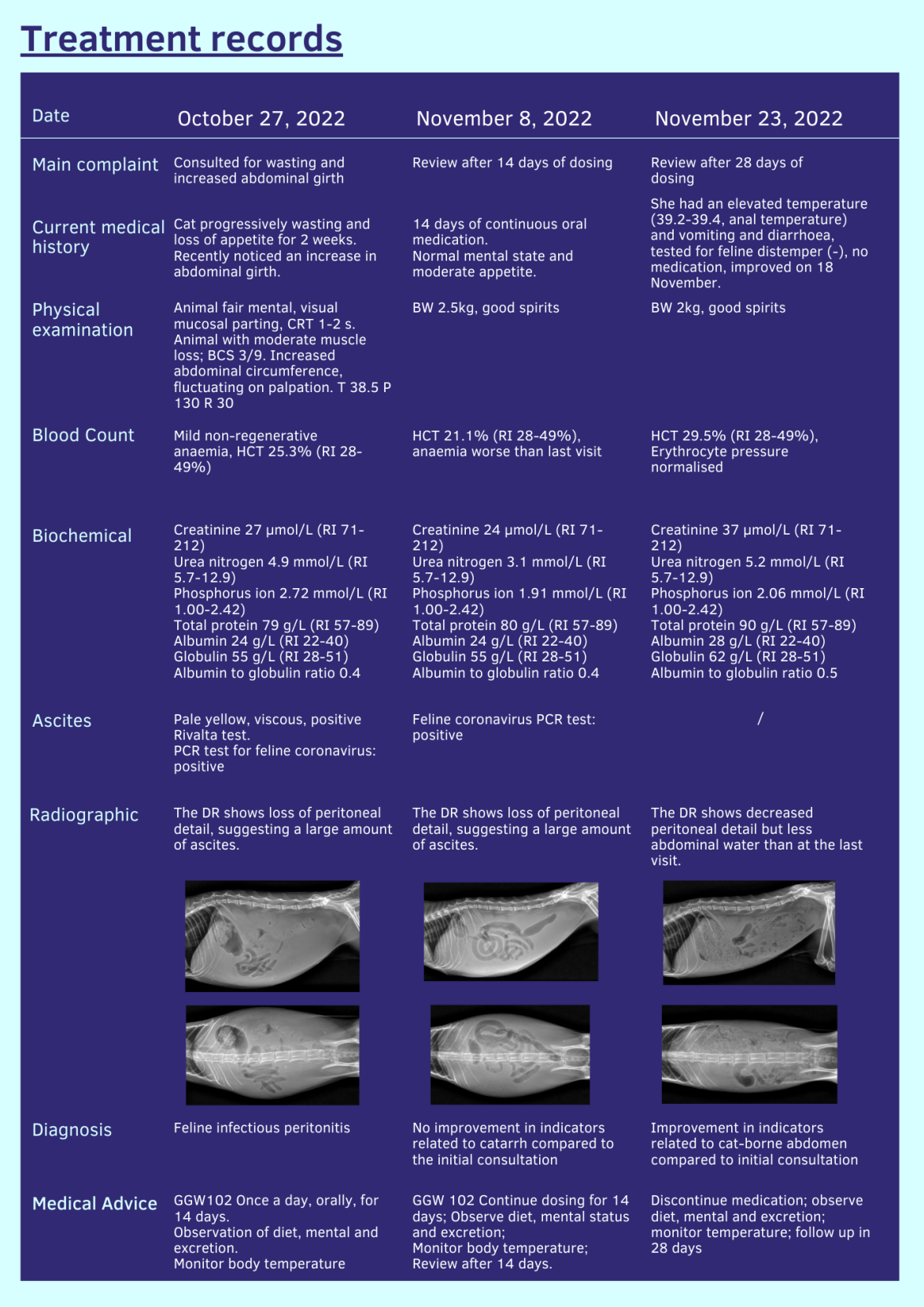
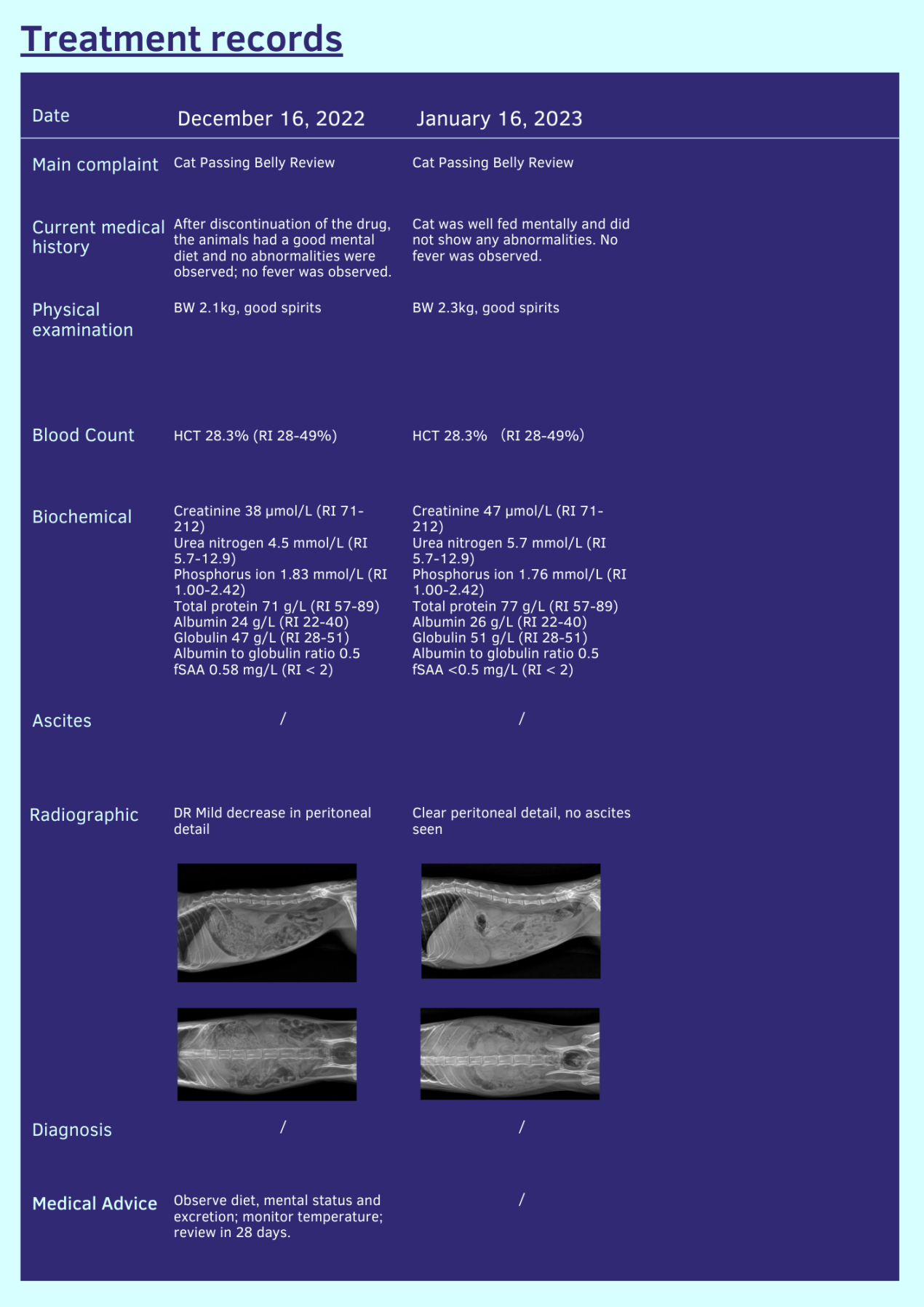
previous studies. A case of feline transmissible abdomen successfully treated by this drug is now shared.
MeCan offers all the equipment mentioned in the article: Veterinary Hematology Analyzer, Veterinary Biochemistry, and veterinary x ray machine, we welcome your inquiries!
5 Problems With Pet monitor and How to Combat Them
A Deep Dive Into Small Animal Anaesthesia and Treatment
Related Article


