
Navigating Pet Hospital Visits: Essential vs. Optional Examinations
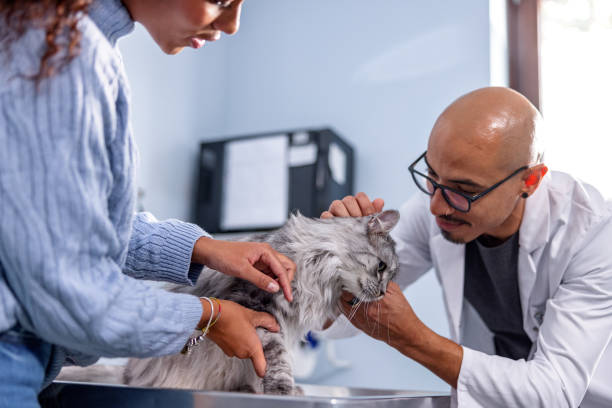 Bringing your beloved pet to the hospital for routine check-ups is a crucial aspect of responsible pet ownership. These visits not only ensure that your furry friend remains healthy but also help in the early detection and prevention of potential health issues. However, when it comes to deciding which examinations are necessary and which ones can be optional, many pet owners find themselves uncertain. In this guide, we will explore the essential and optional examinations that your pet may undergo during a hospital visit, helping you make informed decisions about your pet's healthcare. Understanding Essential Examinations Essential examinations are fundamental to your pet's overall health and well-being. These examinations typically include: Physical Examination: A comprehensive assessment of your pet's overall health, including checking for signs of illness or injury, assessing body condition, and examining vital organs. Vaccination Status Assessment: Evaluating your pet's vaccination history and administering necessary vaccinations to protect against common infectious diseases. Parasite Screening: Testing for internal and external parasites such as heartworm, intestinal parasites, fleas, and ticks, which can pose serious health risks to pets. Dental Examination and Teeth Cleaning: Assessing your pet's oral health and performing teeth cleaning procedures if necessary to prevent dental disease and maintain overall health. Basic Blood Work: Conducting routine blood tests, especially for senior pets or those with underlying health concerns, to assess organ function and detect early signs of disease. Importance of Essential Examinations Each essential examination plays a vital role in safeguarding your pet's health: Physical examinations allow veterinarians to detect signs of illness or injury early, enabling prompt treatment and better outcomes. Vaccinations protect pets from potentially life-threatening infectious diseases, ensuring a longer and healthier life. Parasite screening helps prevent parasitic infestations and reduces the risk of serious health complications. Dental examinations and teeth cleaning promote good oral hygiene, preventing dental disease, pain, and discomfort. Basic blood work provides valuable insights into your pet's overall health and helps identify underlying medical conditions before they become serious. Identifying Optional Examinations While essential examinations are crucial, some examinations are considered optional or situational. These may include: Advanced Imaging: Such as X-rays or ultrasound scans, which are recommended for diagnosing specific medical conditions or injuries. Allergy Testing: To identify potential allergens triggering allergic reactions in pets. Genetic Testing: To assess the risk of inherited diseases or disorders in certain breeds. Specialized Blood Tests: Including thyroid, liver, or kidney function tests, recommended based on individual pet's health status or symptoms. Additional Vaccinations: Beyond core vaccines, depending on factors such as lifestyle, travel, or exposure risks. Behavior Assessments: To address behavioral issues or concerns through consultations with veterinary behaviorists. Considerations for Optional Examinations When deciding on optional examinations for your pet, several factors should be considered: Pet's Age, Breed, and Health Status: Tailor examinations based on your pet's specific needs, age, breed predispositions, and existing health conditions. Lifestyle Factors: Consider your pet's lifestyle, activities, and environmental exposures when determining the necessity of optional examinations. Budgetary Constraints: Evaluate the cost of optional examinations and weigh them against their potential benefits and importance for your pet's health. Veterinarian's Recommendations: Trust your veterinarian's expertise and recommendations, as they can provide valuable insights into your pet's healthcare needs based on their medical history and current health status. Pros and Cons of Optional Examinations Optional examinations offer certain benefits but also come with considerations: Benefits: Advanced imaging and specialized tests can provide valuable diagnostic information, leading to more accurate diagnoses and targeted treatment plans. Genetic testing can help identify potential health risks in specific breeds, allowing for proactive management and preventive measures. Behavior assessments and consultations can address behavioral issues, improving your pet's quality of life and strengthening the human-animal bond. Considerations: Cost: Optional examinations may incur additional expenses, and pet owners should consider their budgetary constraints when opting for these tests. Risk of Overdiagnosis: Some optional examinations may uncover incidental findings or minor abnormalities that may not necessarily require treatment, leading to unnecessary worry or intervention. Potential Stress: Certain examinations, such as advanced imaging or genetic testing, may involve sedation or restraint, causing stress or discomfort to some pets. Making Informed Decisions When it comes to your pet's healthcare, it's essential to make informed decisions: Consult with Your Veterinarian: Discuss your pet's healthcare needs, concerns, and priorities with your veterinarian, who can provide personalized recommendations based on your pet's individual needs and medical history. Prioritize Essential Examinations: Ensure that your pet receives essential examinations, such as physical exams, vaccinations, parasite screenings, and dental care, as these are crucial for maintaining overall health and well-being. Evaluate Optional Examinations: Consider the potential benefits, risks, and costs of optional examinations in consultation with your veterinarian, weighing them against your pet's specific needs and circumstances. Stay Proactive: Schedule regular veterinary check-ups for your pet and stay proactive in monitoring their health and well-being to address any issues promptly and ensure optimal health outcomes. Pet hospital visits are essential for maintaining your furry friend's health and well-being, and understanding the distinction between essential and optional examinations can help you make informed decisions about your pet's healthcare. By prioritizing essential examinations and carefully considering optional ones in consultation with your veterinarian, you can ensure that your pet receives the best possible care tailored to their individual needs, promoting a long, happy, and healthy life. This comprehensive guide provides pet owners with valuable insights into essential and optional examinations for their pets during hospital visits, helping them navigate their pet's healthcare journey with confidence and care. |
Understanding X-Ray Exams for Pets
Intraocular Pressure (IOP) Measurements in Animals
Related Article


