
Why Do Female Cats Carry Their Kittens by the Neck?
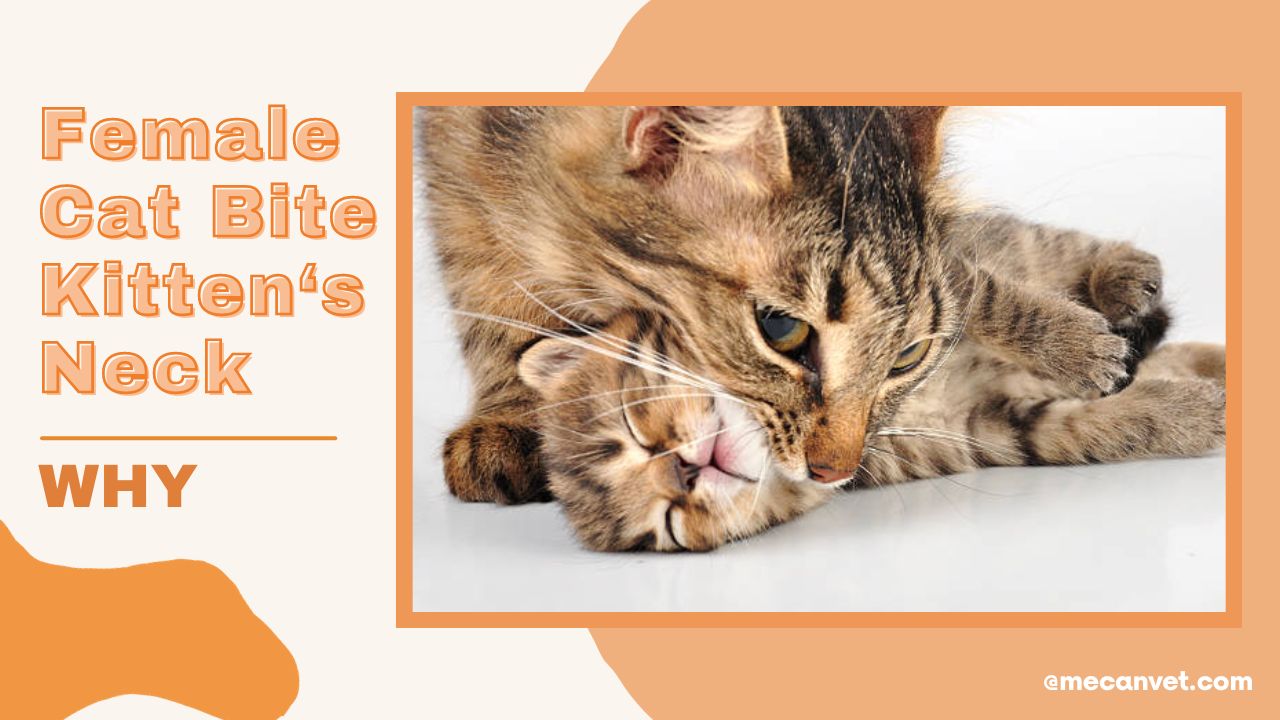 Cat owners often witness their mother cats carrying newborn kittens by the neck, a behavior that can cause concern and worry. This seemingly rough handling can be distressing for cat parents, who fear that the kittens may be hurt in the process. In this article, we will delve into the reasons behind this behavior, explore its natural origins, and address common concerns to reassure cat owners about the well-being of their feline family members.
Understanding Maternal Instincts First and foremost, it is crucial to recognize that the behavior of a mother cat carrying her kittens by the neck is deeply rooted in maternal instincts. This instinct is a natural and essential part of feline parenting. When a mother cat uses her mouth to grasp the back of a kitten's neck, it is referred to as "scruffing."
Transportation and Relocation: Scruffing is a method that mother cats use to move their kittens from one location to another. By holding the kitten by the scruff of the neck, the mother gains better control over the kitten's movements, allowing for safe transportation. Stimulation and Grooming: Mother cats also use scruffing as a way to stimulate and groom their kittens. In the wild, this action mimics the behavior of a mother cat carrying her kittens to a new den or nest, encouraging them to urinate and defecate to keep the nesting area clean. Bonding and Comfort: Scruffing is a bonding experience between the mother and her kittens. The mother's gentle grasp on the scruff of the neck provides comfort and security, promoting a sense of trust and familiarity among the litter. Addressing Concerns Now that we understand the natural reasons behind a mother cat carrying her kittens by the neck, let's address the common concerns expressed by cat owners: a. Fear of Injury:
Cat owners often worry that the mother's grip on the kitten's neck may cause injury. However, it's important to note that a mother cat is biologically programmed to carry her kittens in a way that minimizes harm. The loose skin on the back of the neck, known as the scruff, allows for a secure grip without causing pain or injury.
b. Kitten Vocalizations:Kittens may vocalize when being carried by their mother, and this is a natural response. It does not necessarily indicate distress or pain. Instead, it is a form of communication between the mother and her kittens. The mother may respond to these vocalizations with comforting gestures, such as licking and purring.
c. Gradual Independence:
As kittens grow and develop, the mother cat gradually teaches them to become more independent. The scruffing behavior diminishes as kittens become more mobile and start exploring their surroundings. This is a natural part of the weaning process.
Tips for Cat Owners To ensure a positive and stress-free environment for both mother cat and kittens, here are some tips for cat owners:
a. Observation and Intervention:Cat owners should observe the interaction between the mother and kittens. If the mother is gentle and attentive, there is likely no cause for concern. However, if there are signs of distress or persistent vocalizations, intervention may be necessary.
b. Provide a Safe Environment:Create a safe and secure environment for the mother cat and her kittens. This includes a quiet and secluded nesting area where the family can bond without disturbances.
c. Regular Veterinary Check-ups:Schedule regular veterinary check-ups for both the mother cat and her kittens to ensure that they are healthy and thriving. A veterinarian can provide guidance on nutrition, vaccinations, and general care.
Conclusion The behavior of a mother cat carrying her kittens by the neck is a natural and instinctive aspect of feline parenting. Understanding the reasons behind this behavior can alleviate concerns and help cat owners appreciate the maternal instincts that contribute to the well-being of the feline family. By providing a supportive environment and addressing concerns with knowledge, cat owners can ensure a positive and nurturing experience for both mother cat and kittens during this crucial stage of development.
|

Temperature Tailoring: Elevating Your Cat's Living Space
Navigating the Whys and Hows of Canine Flatulencea
Related Article


