
Tackling Canine Obesity for a Healthier, Happier Dog
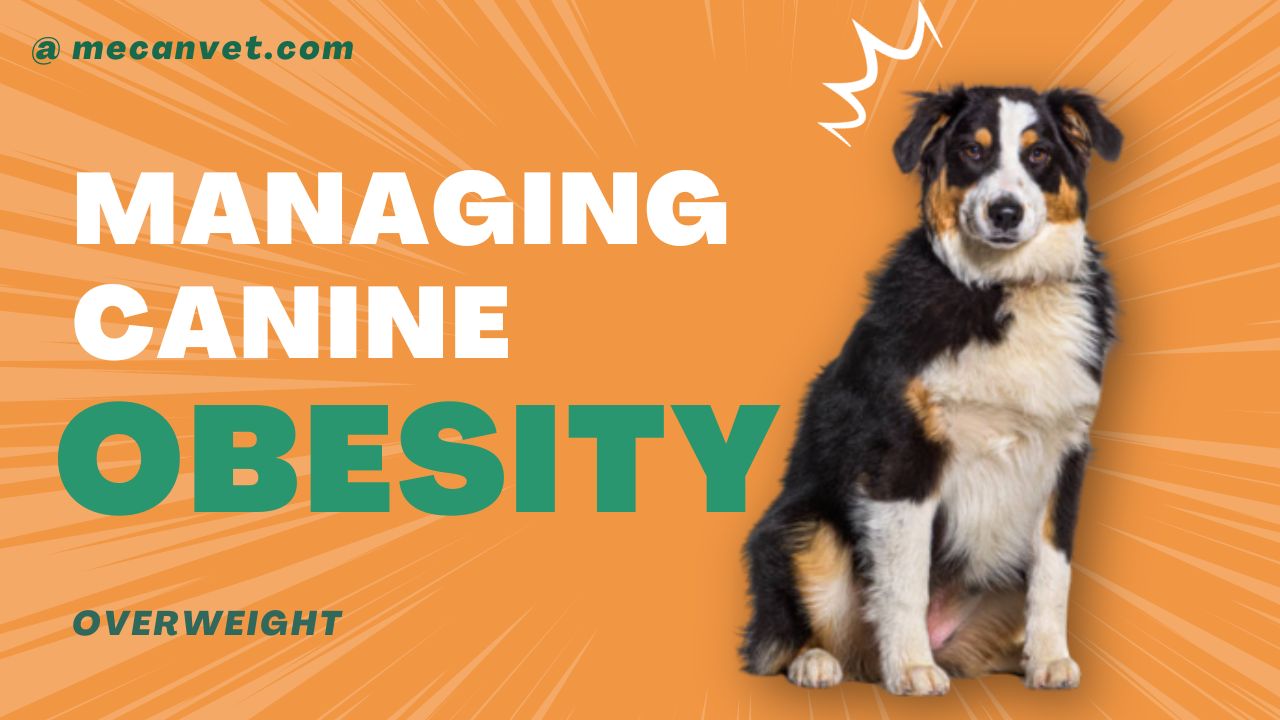 Canine obesity has emerged as a global health issue, and our beloved pets are not exempt from this concern. Year by year, the problem of obesity in dogs continues to escalate, posing a severe threat to their health and longevity. This article delves deep into the reasons behind canine obesity, methods to determine if a dog is overweight, the consequences of obesity, breeds prone to obesity, and a range of scientifically sound strategies for canine weight management.
I. Causes of Canine Obesity: Canine obesity stems from a variety of factors, including the following key causes and the potential risks they entail:
Inappropriate Dietary Habits: This encompasses excessive consumption of high-calorie foods, frequent snacks, and feeding dogs human food. Improper dietary habits lead to an excessive calorie intake, resulting in weight gain. This increases the risk of joint wear and tear, diabetes, heart disease, and other health issues. Lack of Exercise: A significant contributor to obesity is a lack of sufficient exercise. Extended periods of inactivity and a sedentary lifestyle cause dogs to burn fewer calories than they consume, leading to weight gain. Moreover, the absence of exercise may lead to muscle atrophy and joint problems. Genetics and Genetic Factors: Certain dog breeds are naturally predisposed to obesity due to their genetic makeup, making them more inclined to store fat. For example, some breeds have lower metabolic rates, making them prone to fat accumulation. Metabolic Issues: Metabolic problems can cause a decrease in a dog's energy expenditure, making them more susceptible to weight gain. Thyroid issues are a common metabolic problem that may require medical intervention to regulate metabolism.
To ascertain if a dog is obese, several methods can be employed: Weight Check: To determine if a dog is obese, it's essential first to understand their normal weight range. Normal weight varies depending on the dog's breed, age, and gender. Typically, consulting a veterinarian can help establish the ideal weight for your dog. Veterinarians consider the dog's overall health and determine an appropriate weight range. Regularly measuring your dog's weight with a pet scale is essential to ensure they stay within the healthy range. Generally, a healthy weight should allow you to feel the dog's ribs but not have them visibly protruding. If the ribs are excessively prominent, it may indicate that the dog is underweight. Conversely, if you cannot feel the ribs, it may indicate obesity. The veterinarian can provide more specific guidance based on your dog's individual circumstances. Physical Examination: You can determine obesity by gently feeling the dog's body, particularly the waist and ribcage areas. This method is useful for dogs with longer fur where body conditions may not be immediately visible. For adult dogs in good health, the ideal body condition is having a thin layer of muscle over the ribcage. In other words, when you place your hands on their ribcage, you should be able to feel the ribs without them being overly visible. If the ribs are barely palpable or require significant pressure to be felt, it suggests the dog is overweight. III. Health Impacts of Canine Obesity: Obesity has multiple detrimental effects on a dog's health, manifesting in several aspects: Joint Problems: Obesity significantly impacts joints. Excess weight places excessive strain on the bones and joints, accelerating joint wear and tear. This can lead to severe joint issues such as hip and knee joint pain and even joint arthritis. Joint problems restrict a dog's mobility, resulting in discomfort and a decreased quality of life. Heart Diseases: Obesity places additional stress on the heart. Accumulated fat deposits can lead to an enlarged heart, increasing the heart's workload. This elevates the risk of conditions like hypertension, cardiac hypertrophy, and valve diseases. Obese dogs often require increased cardiac effort, potentially leading to congestive heart failure. Respiratory Issues: Obesity makes dogs more prone to breathlessness and asthma, particularly during physical activity. Excess fat compresses the diaphragm and lungs, reducing respiratory efficiency. This may lead to tracheal collapse and asthma attacks, impacting a dog's daily activities and comfort. Digestive Problems: Obesity can lead to gastrointestinal issues, such as gastritis, constipation, and gallbladder disease. Moreover, it increases the risk of constipation, making bowel movements difficult and painful. Compromised Immune System: Obesity weakens the immune system, making dogs more susceptible to infections. A compromised immune system can lead to infections, skin inflammations, and other health problems. Reduced Lifespan: Combining all these health risks, obesity significantly shortens a dog's lifespan. Obese dogs generally have a shorter life expectancy compared to their healthy-weight counterparts. This poses an unnecessary health hazard. Pet owners must recognize the potential threats obesity poses to a dog's longevity.
IV. Breeds Prone to Obesity: While obesity can affect any dog breed, certain breeds are inherently more susceptible due to their genetic traits and metabolism. Here are some dog breeds prone to obesity: Pomeranian: Pomeranians are small-sized dogs with hearty appetites. Their small stature means that excess calorie consumption can quickly lead to weight gain. Poodle: Poodles are intelligent and active dogs, but they are also susceptible to obesity. Overfeeding and insufficient exercise can lead to weight gain. Beagle: Beagles have a strong sense of smell but tend to eat large quantities. Their overeating tendencies make them prone to obesity. Labrador Retriever: Labrador Retrievers are friendly and have a fondness for food. If not monitored and provided with balanced nutrition, they can easily become overweight. Great Dane: Great Danes are massive in size, making them susceptible to fat accumulation. Due to their substantial weight, obesity poses more severe health problems, particularly for their bones and joints. For breeds prone to obesity, dog owners need to be especially vigilant, ensuring appropriate diet and adequate exercise to prevent weight issues. Consulting with a veterinarian is crucial to ensure these dogs maintain a healthy weight consistently. V. Canine Weight Management Strategies: Effective canine weight management involves implementing various strategies, including: Balanced Diet: Provide high-quality, low-calorie pet food and determine daily food intake based on your veterinarian's recommendations. Avoid feeding human food or high-calorie treats, ensuring that food contains adequate nutrients, including proteins, fiber, vitamins, and minerals. Portion Control: Measure food portions using dedicated cups or scales to prevent overfeeding. Follow feeding guidelines on food packaging and adjust portions according to your dog's weight and activity level. Regular Exercise: Offer ample opportunities for exercise, including walks, games, and vigorous physical activities to help dogs burn excess calories. Daily exercise aids in weight loss, muscle building, and metabolism boost. Gradual Weight Loss: Weight loss should be a gradual process to avoid adverse health effects. Reduce weight incrementally each week, ensuring the dog's well-being is not compromised. Monitoring Progress: Regularly measure your dog's weight and body condition to ensure the effectiveness of the weight loss plan and make adjustments as needed. Veterinary guidance is essential for monitoring progress safely. Avoid Reward-Based Feeding: Do not use food as a reward or comfort measure, as this increases calorie intake unnecessarily. Explore other forms of rewards, such as praise or play. Seek Veterinary Assistance: If obesity is severe or accompanied by other health issues, consult a veterinarian. Veterinarians can create specialized weight loss plans, monitor health conditions, and ensure the weight loss process is safe. In conclusion, canine obesity is a grave health issue. However, by understanding its causes, early detection, proactive management, and seeking veterinary support, we can help our pets maintain a healthy weight, improve their quality of life, and extend their lifespan. Pet owners bear the responsibility of ensuring their loyal companions lead healthy and joyful lives. |
Canine Intervertebral Disc Disease: Comprehensive Guide
Cats in Labor: Navigating the Decision for a C-section
Related Article


