
Know More Pet ICU Oxygen Chambers
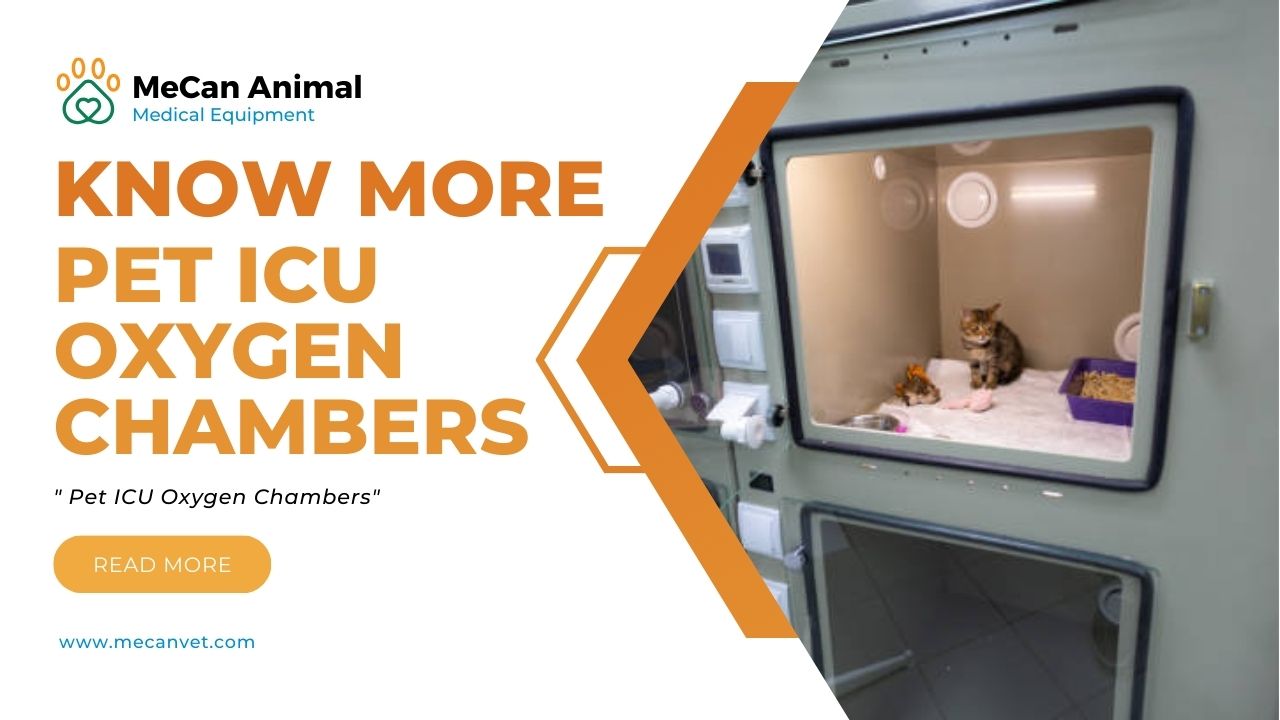
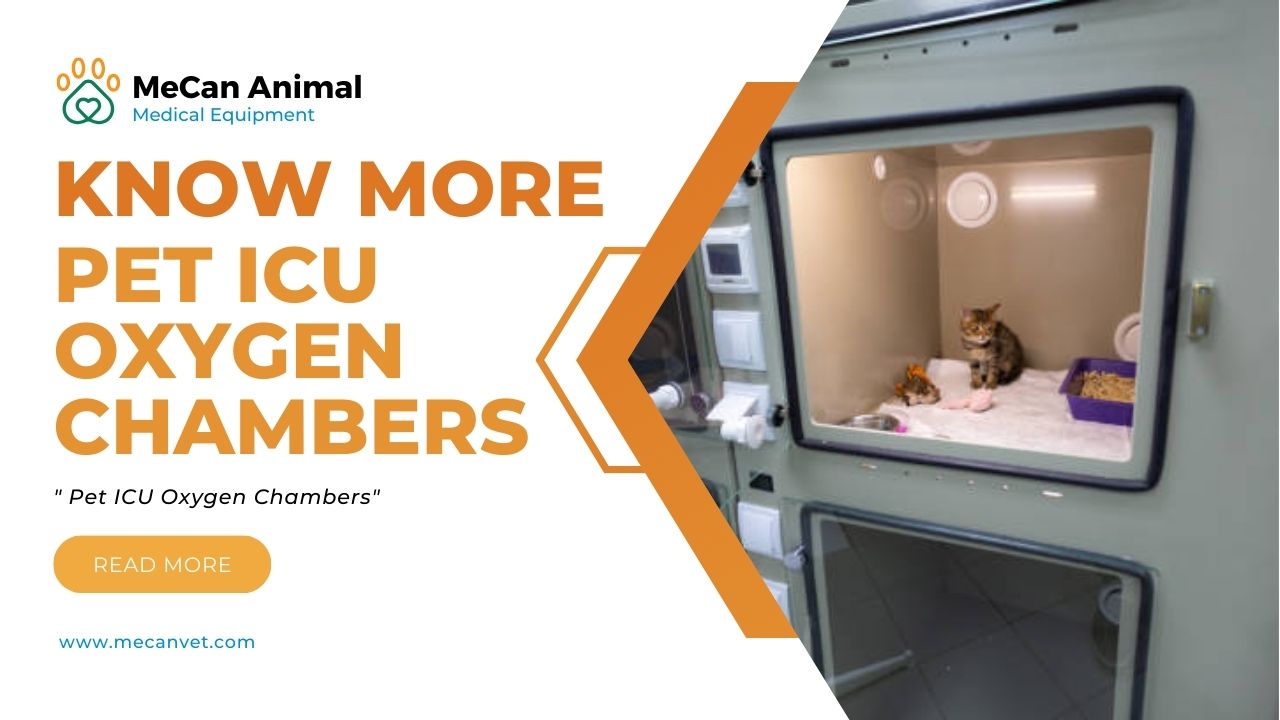 As pet owners, we always strive to provide the best care for our furry friends. However, when a pet becomes critically ill or requires intensive treatment, the medical procedures and equipment involved can often be confusing and overwhelming. One such piece of equipment that may be used in veterinary critical care is the ICU oxygen chamber. This article aims to provide a detailed explanation of what pet ICU oxygen chambers are, when they are necessary, their functions, and their benefits, addressing common concerns and questions pet owners might have.
I. What is a Pet ICU Oxygen Chamber? A pet ICU oxygen chamber is a specialized enclosure designed to deliver high concentrations of oxygen to animals in a controlled and monitored environment. These chambers are used in veterinary hospitals and clinics to provide supplemental oxygen therapy to pets experiencing severe respiratory distress or other critical health issues that impair their ability to breathe effectively. II. How Does an ICU Oxygen Chamber Work? ICU oxygen chambers work by creating an environment where the oxygen concentration can be carefully regulated and maintained at higher levels than the normal atmospheric concentration of 21%. Here are the key components and functions: Oxygen Delivery System:
The chamber is equipped with an oxygen delivery system that can supply pure oxygen or a mixture of oxygen and air, depending on the pet's needs. This system ensures that the oxygen levels within the chamber can be adjusted precisely. Sealed Environment:
The chamber is designed to be airtight to prevent the escape of oxygen and to maintain a consistent concentration. This sealed environment also allows for control of temperature and humidity, creating a comfortable and stable space for the pet. Monitoring and Control:
Advanced oxygen chambers come with monitoring systems to track the pet's vital signs, such as heart rate, respiratory rate, and blood oxygen levels. These systems help veterinarians adjust the oxygen concentration and other environmental factors as needed. Accessibility:
Many chambers have ports or access points that allow veterinary staff to provide care and administer medications without removing the pet from the oxygen-rich environment. III. When is an ICU Oxygen Chamber Necessary? ICU oxygen chambers are used in various situations where a pet's ability to breathe is compromised. Here are some common conditions and scenarios that may require the use of an oxygen chamber:
Respiratory Distress:
Pets experiencing severe respiratory distress due to conditions like pneumonia, asthma, bronchitis, or lung infections may benefit from oxygen therapy to ease breathing and improve oxygen levels in the blood. Trauma:
Pets that have suffered trauma, such as being hit by a car or experiencing severe injuries, may require oxygen therapy to support their respiratory function and stabilize their condition. Cardiac Issues:
Heart conditions, such as congestive heart failure, can lead to poor oxygenation of the blood. Oxygen chambers help improve oxygen delivery to tissues and organs in these cases. Post-Surgical Recovery:
Pets recovering from major surgeries, especially those involving the chest or abdomen, may need supplemental oxygen to aid in healing and ensure adequate oxygenation during the recovery process. Toxin Exposure:
Exposure to certain toxins, such as carbon monoxide or smoke inhalation, can impair a pet's ability to absorb oxygen. An oxygen chamber provides a high-oxygen environment to counteract these effects. Chronic Obstructive Pulmonary Disease (COPD):
Pets with chronic respiratory conditions like COPD may require intermittent use of oxygen therapy to manage their symptoms and improve quality of life. IV. Benefits of Using an ICU Oxygen Chamber The use of ICU oxygen chambers offers several significant benefits for critically ill pets:
Enhanced Oxygenation:
By providing a higher concentration of oxygen, these chambers help ensure that the pet's tissues and organs receive adequate oxygen, which is crucial for survival and recovery in critical conditions. Reduced Work of Breathing:
Oxygen therapy reduces the effort required for breathing, allowing the pet to rest and recover while reducing the strain on their respiratory system. Stabilization of Vital Signs:
Improved oxygenation helps stabilize vital signs, such as heart rate and blood pressure, making it easier for veterinarians to manage and treat the underlying condition. Comfort and Safety:
The controlled environment of an oxygen chamber can be adjusted to maintain optimal temperature and humidity, providing a comfortable and safe space for the pet during treatment. Continuous Monitoring:
Advanced oxygen chambers equipped with monitoring systems allow for continuous observation of the pet's condition, enabling timely adjustments to treatment and oxygen levels. V. Types of ICU Oxygen Chambers There are several types of ICU oxygen chambers used in veterinary medicine, each designed to meet specific needs and circumstances: Individual Oxygen Chambers:
These are small, portable chambers designed for use with individual pets. They are ideal for treating single patients in a clinical setting and can be used for short-term or long-term therapy. Group Oxygen Chambers:
Larger chambers designed to accommodate multiple pets simultaneously. These are useful in situations where several animals require oxygen therapy, such as during emergencies or in shelters. Hyperbaric Oxygen Chambers:
These specialized chambers provide high-pressure oxygen therapy, which can be beneficial for treating certain conditions like severe infections, wounds, and burns. The increased pressure helps dissolve more oxygen into the bloodstream, enhancing the healing process. VI. Common Concerns and Misconception Despite the benefits, pet owners often have concerns and misconceptions about the use of ICU oxygen chambers. Here are some common questions and their answers:
Is Oxygen Therapy Safe for Pets?
Yes, when administered correctly under the supervision of a veterinarian, oxygen therapy is safe and can be lifesaving. Veterinary professionals are trained to monitor and adjust oxygen levels to ensure safety and efficacy.
Will My Pet Be Scared or Stressed in the Chamber? Pets may initially be uncertain about the chamber, but most adapt quickly, especially as they begin to feel the relief from improved breathing. The chambers are designed to be as comfortable and non-threatening as possible.
How Long Will My Pet Need to Stay in the Chamber? The duration of oxygen therapy depends on the pet's condition and response to treatment. Some pets may require only a few hours, while others might need longer periods of therapy.
Is Oxygen Therapy Expensive? The cost of oxygen therapy can vary based on the severity of the pet's condition and the duration of treatment. While it can be an additional expense, the benefits of potentially life-saving treatment often outweigh the costs.
VII. The Role of Veterinarians in Oxygen Therapy Veterinarians play a crucial role in determining when and how to use ICU oxygen chambers. Their responsibilities include:
Assessment and Diagnosis:
Evaluating the pet's condition to determine if oxygen therapy is needed and identifying the underlying cause of respiratory distress.
Treatment Planning: Developing a comprehensive treatment plan that includes oxygen therapy, medication, and other necessary interventions to address the pet's condition.
Monitoring and Adjustment: Continuously monitoring the pet's response to therapy and making adjustments to oxygen levels and other treatments as needed.
ICU oxygen chambers are invaluable tools in veterinary medicine, providing essential support for pets experiencing severe respiratory distress and other critical conditions. By delivering high concentrations of oxygen in a controlled environment, these chambers help stabilize vital signs, reduce the work of breathing, and improve overall outcomes for critically ill pets. Understanding the functions, benefits, and appropriate uses of ICU oxygen chambers can help pet owners make informed decisions about their pets' care and alleviate concerns about this important medical intervention.
The African forest elephant's perilous status demands urgent and comprehensive conservation measures. Preserving this species is not just about biodiversity; it symbolizes our commitment to maintaining the delicate balance of ecosystems. Through collective efforts, we can secure the future of the African forest elephant and, in doing so, safeguard the intricate web of life in Sub-Saharan Africa's tropical forests. |
What is Otoscopy in Veterinary Medicine
MeCan Underwater Treadmill for Dogs: Comprehensive FAQ
Related Article


