
Ibuprofen Toxicity in Cats
2024-02-23
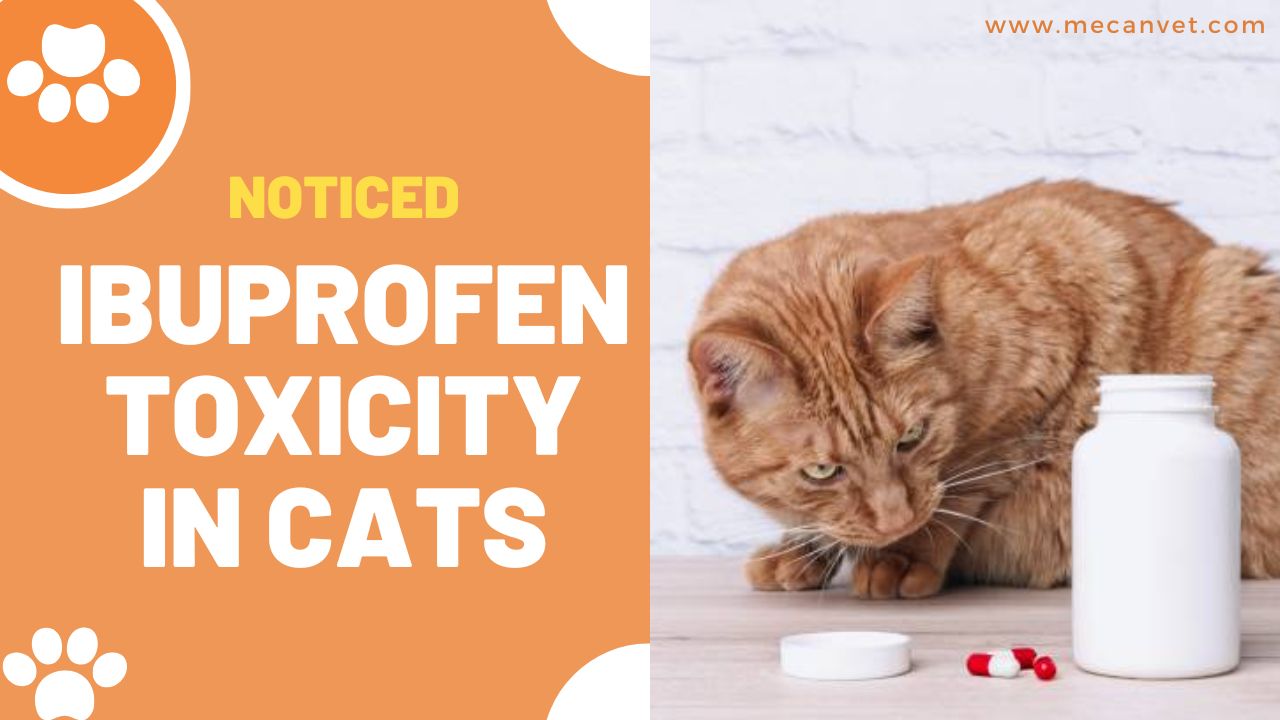 Understanding Ibuprofen Toxicity in CatsIbuprofen, a commonly used nonsteroidal anti-inflammatory drug (NSAID) in humans, poses a significant risk to cats if ingested. This article provides an overview of ibuprofen toxicity in cats, covering symptoms, pathophysiology, diagnosis, treatment, and prevention.
Symptoms:
Cats exposed to ibuprofen may display symptoms such as vomiting and black stool, indicating gastrointestinal irritation and potential organ damage. Pathophysiology:
Ibuprofen exerts its toxic effects by inhibiting cyclooxygenase (COX) enzymes, leading to decreased prostaglandin synthesis. This disruption can cause gastrointestinal inflammation, ulceration, and renal impairment, particularly in cats due to their slower drug metabolism. Diagnosis and Treatment:
Diagnosis involves evaluating clinical symptoms, exposure history, and serum ibuprofen concentration. Treatment focuses on symptomatic and supportive care, including gastric lavage, activated charcoal administration, fluid therapy, and medications to address ulcers and metabolic acidosis. Prevention:
Preventing ibuprofen toxicity in cats involves educating pet owners about the dangers of giving human medications to animals, especially those with kidney or gastrointestinal conditions. Responsible medication management and veterinary consultation are crucial in preventing accidental poisonings. Ibuprofen toxicity presents a significant threat to cats, requiring prompt recognition and intervention to mitigate adverse outcomes. Understanding the symptoms, pathophysiology, diagnosis, treatment, and prevention strategies associated with ibuprofen toxicity is essential for safeguarding feline health. Collaborative efforts between veterinarians and pet owners are vital in ensuring the well-being of cats and preventing accidental poisonings.
|
Diagnosis and Treatment of Jaundice in Dogs and Cats
Comprehensive Guide to Spring Pet Care
Related Article

Build a complete veterinary clinic with one-stop equipment planning for imaging, surgery, anesthesia, laboratory testing, recovery, and animal care.
One-Stop Veterinary Clinic Setup Guide: Imaging, Surgery, Lab and Recovery

Learn how to set up a veterinary clinic in 2026 with a complete equipment list for imaging, surgery, lab, recovery, grooming, and daily diagnosis.
How to Set Up a Veterinary Clinic: Complete Equipment List for 2026

