
Hyperbaric Therapy: One Real Animal's Success Story
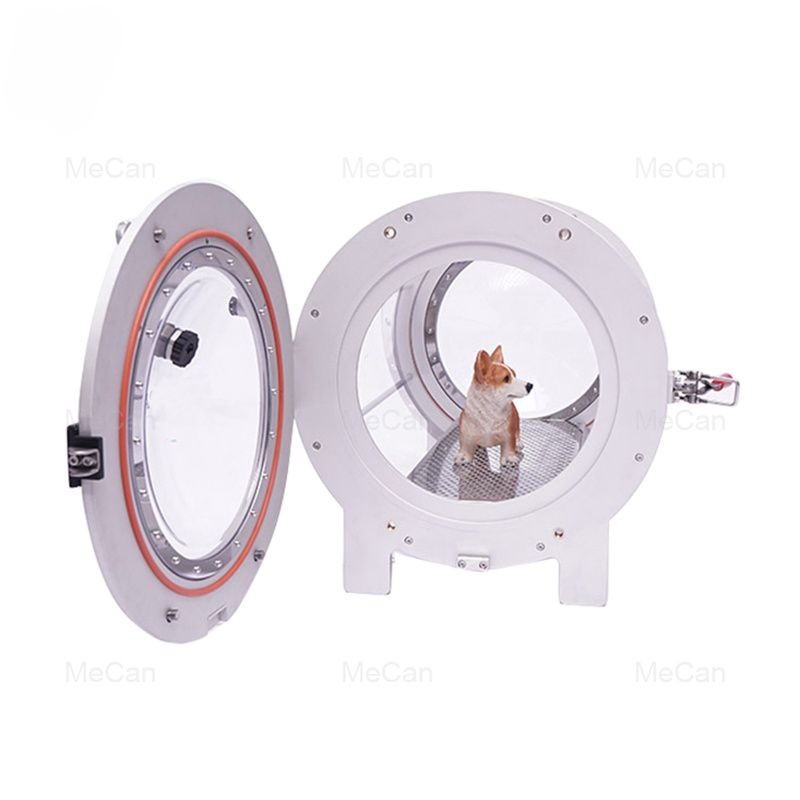
Hyperbaric oxygen chamber therapy is a method to treat hypoxic diseases and related disorders by breathing pure oxygen or high-concentration oxygen under high pressure. Through
animals breathe high concentrations of oxygen to increase blood oxygen content, improve blood oxygen tension, increase blood oxygen dispersion, improve tissue oxygen storage, promote
the generation of collateral circulation, and eliminate air bubble embolisms in the body, so as to treat diseases and promote the body's recovery. A hyperbaric oxygen chamber is a special
medical equipment for hyperbaric oxygen therapy, which can be divided into two kinds of air pressurized chamber and pure oxygen pressurized chamber according to the different mediums
of pressurization, and can be used for the treatment of various diseases.

Rapidly corrects hypoxia, effectively improves microcirculation, prevents various types of edema, increases the permeability of the blood-brain barrier, repairs immunity, accelerates skin wound
healing reduces the possibility of septic infection
in wounds, reduces pain, inhibits the growth and reproduction of microorganisms, promotes the discharge of harmful substances in the urine, and restores the function of some kidney cells
after use in animals with kidney failure, thus alleviating the
deterioration of the disease increases the efficacy of certain antibiotics, synergistically treats infectious diseases, and helps improve the effect of pet vaccines after immunization.
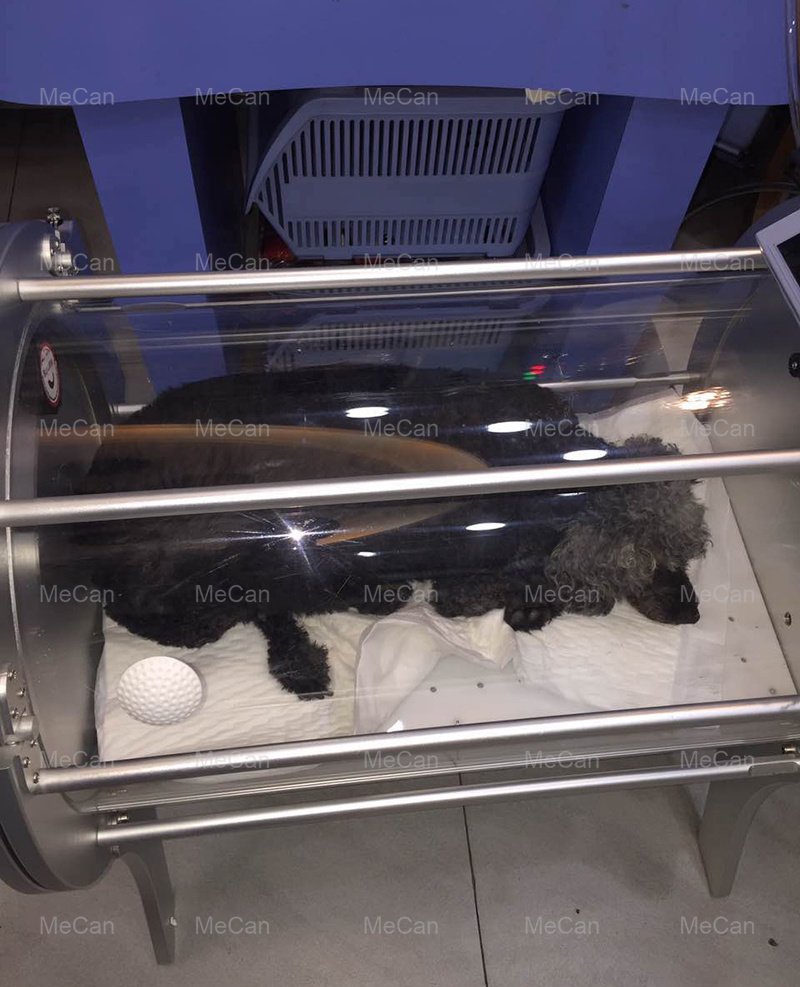
The therapeutic effect of hyperbaric oxygen is never simply the provision of more oxygen, but rather the combined effect of the body's inhalation of
hyperbaric oxygen on all systems of the body.
In brain tissue, cerebral blood flow decreases when cerebral vasoconstriction occurs; however, the partial pressure of oxygen in brain tissue and cerebrospinal fluid actually increases compared
to normobaric pressure due to the increase of
bound oxygen and physically dissolved oxygen in the blood. Therefore, hyperbaric oxygen is very effective in the rescue treatment of cerebral hypoxia and cerebral edema. It improves the
hypoxic state of brain tissue by increasing the blood
oxygen content and raising the partial pressure of blood oxygen. At the same time, due to cerebral vasoconstriction, cerebral blood flow decreases, reducing cerebral edema and lowering
intracranial pressure, thus interrupting the vicious cycle
of cerebral hypoxia-cerebral edema-rising intracranial pressure. It also has antibacterial and other effects.
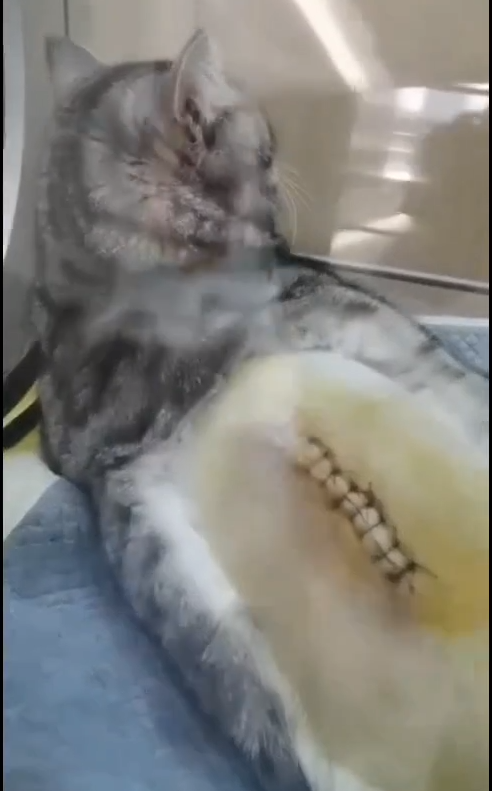
6.5kg, 2-year-old neutered male cat. The fall resulted in a fracture of the L3 vertebrae, which was fixed by misalignment of the L3-L4 vertebrae.
Post-operative hyperbaric oxygen was used to aid recovery therapy. It can protect the reversibly damaged nerve tissue and restore aerobic metabolism of the damaged area tissue, enabling
the recovery of damaged spinal cord cell function,
while reducing the painful state of the peripheral nerves and promoting regeneration and repair of the damaged peripheral nerves.
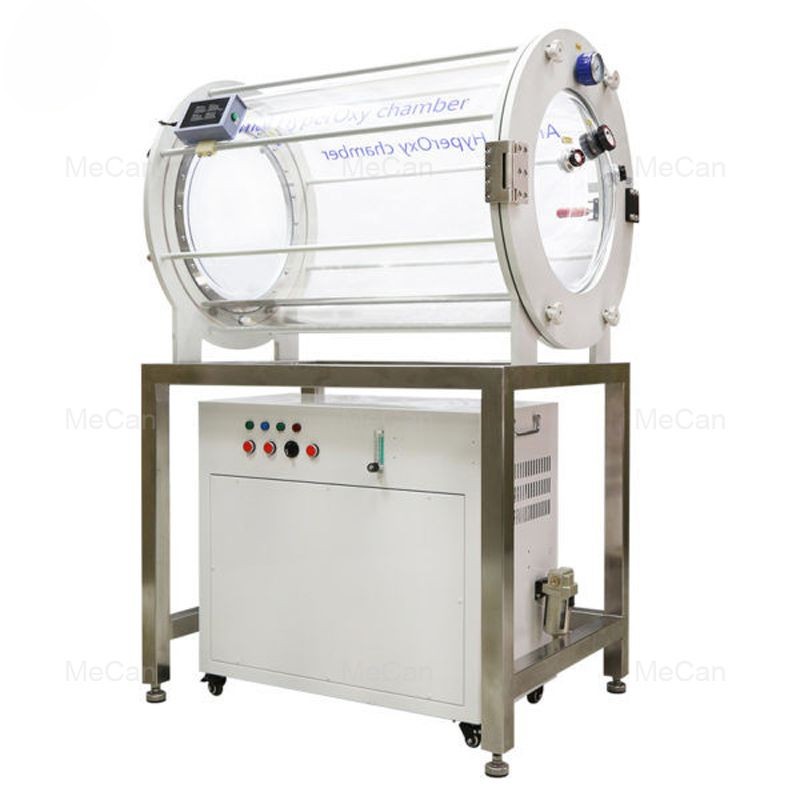
Hyperbaric oxygen has shown its unique efficacy in brain resuscitation, rescue, rehabilitation, and other treatments. As a treatment tool, it plays an important therapeutic role in modern
medical practice, especially in the rescue and treatment of various craniocerebral trauma, cerebrovascular disease, and radiation injury (radiation myelitis, radiation cystitis, radiation enteritis,
etc.), and its unique efficacy has been recognized by the international medical community.
Got a question about our product? We're available to help. Contact us today!
Stroke in Dogs: Understanding Canine Cerebral Infarction
5 Problems With Pet monitor and How to Combat Them
Related Article


