
Welcome to MeCan Vet

qr Code Url

Scan qrcode to view mobile website

    Home Highlights Industry News How to Pluck Your Dog's Ear Hair: Taking Care of Your Pet's Health
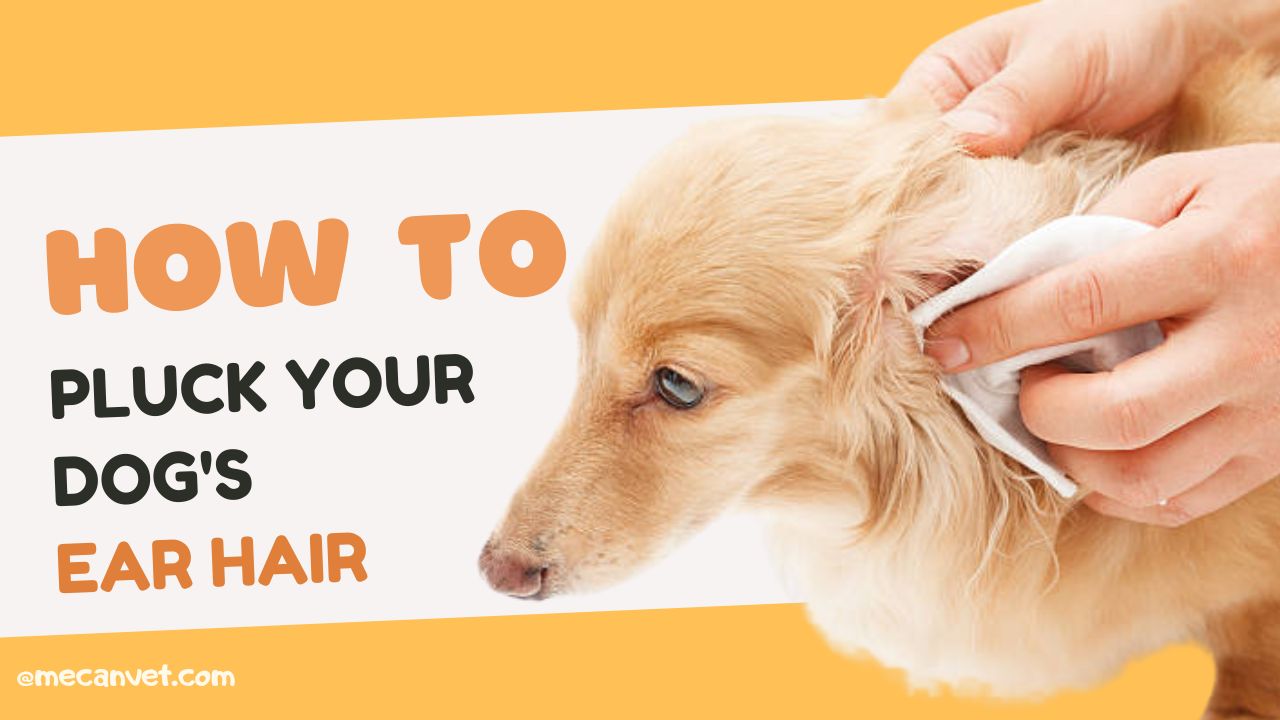
    How to Pluck Your Dog's Ear Hair: Taking Care of Your Pet's Health

    2023-09-13
    How to Pluck Your Dog's Ear Hair: Taking Care of Your Pet's Health
     
    Dogs are one of humanity's closest companions, bringing us endless joy and companionship. However, as pet owners, we have a responsibility to ensure that our dogs enjoy the best possible quality of life, including maintaining their health and hygiene. In a dog's overall health, the ears are often an easily overlooked part, but they play a crucial role. This article will explore how to pluck your dog's ear hair, why it is necessary, and how to safely go through the plucking process.
     

    I. Why It's Necessary to Pluck Your Dog's Ear Hair

    First, we need to understand the role of ear hair in a dog's body. Ear hair is not just a matter of appearance; it also serves important physiological functions. Ear hair acts as a barrier to prevent dust, foreign objects, and microorganisms from entering a dog's ear canal, providing a protective function that prevents external factors from harming the ears.

    However, when ear hair becomes excessively long or tangled, it can become a source of health and hygiene issues. Long ear hair is prone to curling and forming clumps, creating an ideal environment for bacteria and fungi to thrive. This can lead to ear infections, inflammation, and issues like ear mites. Therefore, plucking ear hair becomes a necessary step in maintaining a dog's ear health.

    Different dog breeds have varying degrees of sensitivity to ear hair. Some breeds naturally have abundant ear hair, while others have relatively less. Long ear hair may be more likely to cause problems in some breeds, necessitating more frequent care. Therefore, understanding the characteristics of your dog's breed is essential for ear hair care.

    II. Preparation

    Before starting the process of plucking your dog's ear hair, there are some important preparations to be made.

    1. Tools and Materials
    Firstly, ensure that you have the appropriate tools and materials on hand. These tools include ear hair pluckers, ear hair trimming scissors, ear canal cleaning solutions, and gauze. These tools will assist you in completing the plucking process.

    2. Safety Precautions
    Before plucking ear hair, it is essential to be aware of safety precautions. Plucking ear hair requires careful handling to avoid injuring the dog's ears or yourself. Ensure that the tools are clean and sanitary to prevent bacterial infection. Additionally, take care not to harm the dog's ear canal skin to avoid causing pain or infection.

    3. Getting Your Dog's Cooperation
    Before plucking ear hair, you need to relax and cooperate with your dog. Through gentle training and rewards, you can gradually acclimate your dog to the plucking process, reducing discomfort.


    III. Plucking Your Dog's Ear Hair

    Now, let's delve into how to pluck your dog's ear hair.

    1. Check the Ear's Health Condition
    Before plucking ear hair, examine your dog's ear's health condition. Look for any abnormalities, such as redness, discharge, or odor. If you notice any unusual signs, consult a veterinarian for advice.

    2. Clean the Ear Canal
    Cleaning the ear canal is an important step in plucking ear hair, as a clean ear canal makes it easier to pluck hair. Use a specialized ear canal cleaning solution, drop it into your dog's ears, and massage as per the product instructions. Then, gently wipe away dirt and cleaning solution from around the ears with gauze.

    3. Pluck the Ear Hair
    Next comes the process of plucking the ear hair. Use a specialized ear hair plucker to carefully pluck out excessively long ear hairs one by one. Be mindful to avoid pulling or exerting force to prevent pain or injury. Gradually, you will notice the ears becoming neater, and your dog will feel more comfortable.

    4. Dealing with Unexpected Situations
    During the ear hair plucking process, unexpected situations such as bleeding or your dog becoming anxious may occur. If bleeding occurs, gently apply pressure to the bleeding area with gauze and seek veterinary advice. If your dog becomes anxious, you can pause the plucking process, allow them to rest, and try again.

    III. Plucking Your Dog's Ear Hair
    After plucking ear hair, it is essential to continue post-plucking care and monitoring.

    1. Cleaning and Disinfecting
    After plucking ear hair, clean the ear canal once more and ensure that it is dry. If necessary, you can use a disinfectant solution to sterilize the ear hair-plucking tools. Maintaining ear cleanliness and hygiene helps prevent infections.

    2. Monitoring Health
    After plucking ear hair, regularly monitor your dog's ear health. If you notice any abnormalities such as inflammation, discharge, or odor, seek veterinary advice promptly.

    3. Frequency
    The frequency of ear hair plucking depends on your dog's breed and individual characteristics. Generally, a monthly ear hair plucking process can maintain ear health. However, for breeds prone to infection, more frequent care may be necessary.

    4. Alternative Methods and Professional Help
    In addition to ear hair plucking, there are alternative methods for managing ear hair, such as trimming and grooming. These methods can reduce the length of ear hair but may not be as thorough as plucking. For pet owners who are unfamiliar or lack confidence in the process, it is advisable to seek the assistance of a professional groomer or veterinarian to ensure the safe and effective management of your dog's ear hair.

    The health of your dog's ears is one of your responsibilities as a pet owner. Plucking your dog's ear hair may be necessary to prevent health issues. However, proper preparation is required before plucking, and caution is essential during the process. Most importantly, regularly monitor your dog's ear health and seek professional help when necessary. Through proper care and attention, you can ensure that your dog has healthy, clean ears and enjoys a better quality of life.


    Share:

    Busting Myths: What You Thought Was Good for Your Dog May Not Be

    Causes and Prevention of Pancreatitis in Dogs

    Related Article

    image
    Build a complete veterinary clinic with one-stop equipment planning for imaging, surgery, anesthesia, laboratory testing, recovery, and animal care.
    One-Stop Veterinary Clinic Setup Guide: Imaging, Surgery, Lab and Recovery
    2026-07-02
    image
    Learn how to set up a veterinary clinic in 2026 with a complete equipment list for imaging, surgery, lab, recovery, grooming, and daily diagnosis.
    How to Set Up a Veterinary Clinic: Complete Equipment List for 2026
    2026-06-02
    image
    Veterinary Ultrasound Maintenance tips for clinics. Learn how to reduce repair costs, protect probes, and extend ultrasound system lifespan.
    Veterinary Ultrasound Maintenance: Tips to Extend Life
    2026-05-28
    image
    Discover the essential ophthalmology equipment - from slit lamps to tonometers - needed to upgrade your veterinary eye clinic and improve diagnostic accuracy.
    Top Ophthalmology Devices Every Veterinary Eye Clinic Needs
    2026-05-19

    Phone/Whatsapp: +86-17324331586

    Email: market02@mecanmedical.com

    Tel: +86-20-84835259

    Address​​​​​​: Room 510, Yidong Mansion, No.301, Huanshi Middle Rd, Xiaobei, Yuexiu, Guangzhou, China

    Products

    Solutions

    Services

    Contact

    Download

    Subscribe to our latest news

    SiteMap

    Copyright © 2021 King Theme v2. Powered by web
    (8674)
    0