
How to Perform CPR on a Dog
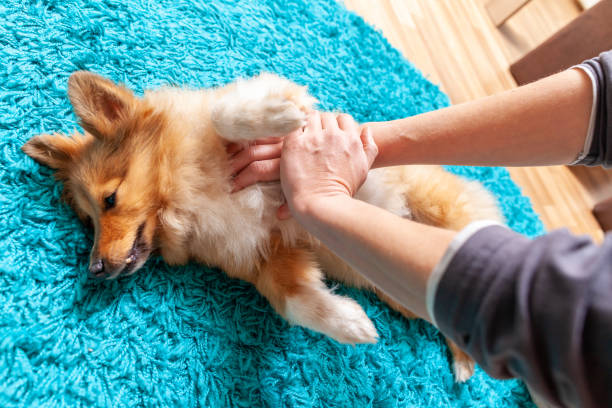 Performing CPR on a dog can be a life-saving skill for pet owners and animal caregivers alike. Just like humans, dogs can experience cardiac arrest or respiratory failure, and knowing how to respond effectively can make all the difference in saving their lives. In this article, we will explore the essential steps and techniques for performing CPR on dogs. Understanding CPR for Dogs CPR, or cardiopulmonary resuscitation, is a vital emergency procedure that combines chest compressions and rescue breathing to maintain blood circulation and oxygenation in an unresponsive individual. While the basic principles of CPR apply to both humans and dogs, there are some important differences to consider when performing CPR on our canine companions. Dogs have a different anatomy and physiology compared to humans, which necessitates certain adjustments in CPR techniques. For instance, the positioning of the dog's airway and the ratio of chest compressions to rescue breaths may vary from that of humans. Additionally, dogs may exhibit different signs of distress or cardiac arrest, making it crucial to be familiar with these indicators. Preparation Before attempting CPR on a dog, it is essential to assess the situation carefully. Determine whether the dog is unresponsive and not breathing normally. Ensure your own safety by removing any potential hazards from the surrounding area. If possible, enlist the help of another person to assist you during the CPR process. Steps to Perform CPR on a Dog Assess Responsiveness: Gently shake the dog and call out its name to see if it responds. Check for breathing and pulse by observing the rise and fall of the chest and feeling for a heartbeat. Establish Airway: If the dog is unconscious, carefully open its mouth and extend the head and neck to create a straight line. Remove any obstructions such as vomit, foreign objects, or excess saliva from the mouth and throat. Check Breathing: Look, listen, and feel for signs of breathing for at least 10 seconds. Place your ear close to the dog's nose and mouth to detect airflow, watch for chest movement, and feel for breaths on your cheek. Perform Chest Compressions: Position the dog on its right side on a firm surface. Place one hand over the widest part of the ribcage and the other hand over it. Apply firm and rhythmic compressions at a rate of 100-120 per minute for medium to large dogs and 120-140 per minute for small dogs. Administer Rescue Breathing: After every 30 compressions, perform rescue breathing by sealing your mouth over the dog's nose and mouth and delivering two breaths. Watch for chest rise and fall to ensure effective ventilation. Continue CPR: Alternate between chest compressions and rescue breaths in cycles of 30:2 until the dog shows signs of recovery or professional help arrives. CPR Techniques for Different Dog Sizes The size of the dog can influence the technique and force used during CPR. For small dogs, gentler compressions and breaths may be necessary to avoid causing injury. Medium-sized dogs may require moderate pressure, while larger dogs may need stronger compressions to effectively circulate blood. Common Mistakes to Avoid Applying Excessive Force: Avoid pressing too hard on the chest, as this can cause internal injuries or fractures. Not Checking for Breathing Properly: Take the time to thoroughly assess the dog's breathing before initiating CPR, as inadequate ventilation can compromise the effectiveness of chest compressions. Neglecting to Monitor the Dog's Condition: Continuously monitor the dog's vital signs and responsiveness throughout the CPR process. Adjust your technique as needed based on the dog's condition. Post-CPR Care After performing CPR on a dog, it is crucial to continue monitoring its vital signs and provide necessary support and comfort. Even if the dog regains consciousness, it should still receive prompt veterinary care to address any underlying health issues or potential complications. Learning how to perform CPR on a dog can be a life-saving skill for pet owners and caregivers. By understanding the basic principles and techniques of CPR, being prepared to respond to emergencies, and avoiding common mistakes, you can greatly improve the chances of saving a dog's life in critical situations. Practice these skills regularly and seek professional training to enhance your proficiency in canine CPR. Remember, being prepared could mean the difference between life and death for your furry friend. |
How To Perform CPR on a Cat
Why Do Dogs Eat Grass?
Related Article


