
How To Perform CPR on a Cat
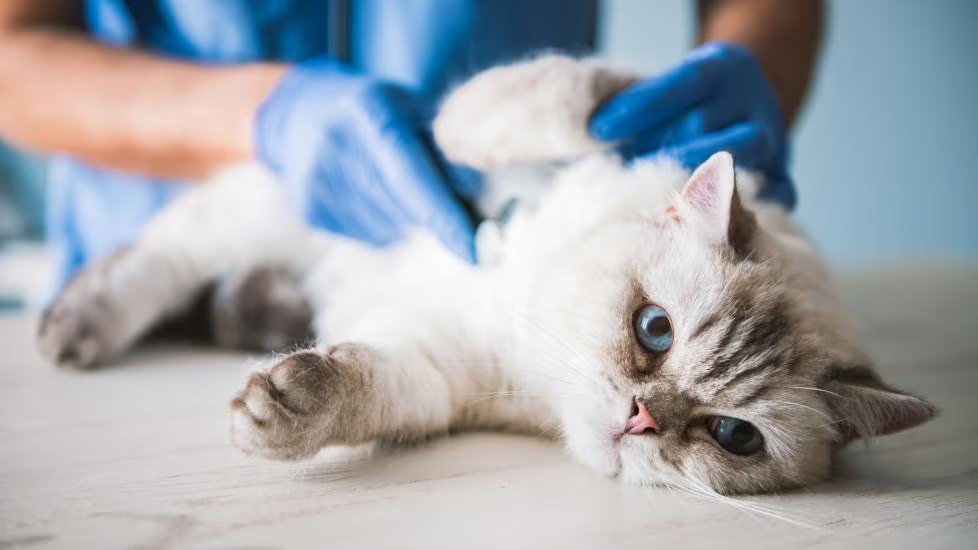 Performing CPR on a cat can be a critical skill for cat owners and caregivers in emergency situations. In this comprehensive guide, we will explore what CPR entails for cats, when it should be administered, and the step-by-step process of performing CPR on your feline companion. A. What Is CPAin Cats? Cardiopulmonary arrest (CPA) in cats can occur due to various underlying causes, ranging from cardiovascular diseases to respiratory disorders and traumatic injuries. Understanding why cats experience CPA can help pet owners recognize the signs and take prompt action in emergency situations. Causes of CPA in Cats: Cardiovascular Diseases: Cats can develop heart conditions such as hypertrophic cardiomyopathy, heartworm disease, or arrhythmias, which may lead to sudden cardiac arrest. Respiratory Disorders: Respiratory conditions like asthma, pneumonia, or airway obstruction can impair breathing and oxygen exchange, resulting in respiratory failure and subsequent cardiac arrest. Trauma: Severe trauma, such as injuries from accidents or falls, can cause internal bleeding, organ damage, or spinal cord injuries, leading to CPA. Toxicity: Ingestion of toxic substances, including certain medications, household chemicals, or poisonous plants, can result in cardiovascular collapse and respiratory arrest. Anesthesia Complications: Cats undergoing anesthesia for surgical procedures may experience adverse reactions or complications, such as anaphylaxis or cardiac depression, leading to CPA. Symptoms of CPA in Cats: Recognizing the signs of CPA in cats is crucial for initiating prompt CPR and seeking emergency veterinary care. Common symptoms of CPA include: Sudden collapse or loss of consciousness Absence of breathing or irregular breathing patterns Weak or absent pulse Pale or bluish gums and mucous membranes (indicating poor oxygenation) Dilated pupils Cold extremities B. What Is Cat CPR? Cat CPR is a specialized form of CPR tailored to the unique anatomy and physiology of felines. While similar in principle to CPR for humans and dogs, there are specific techniques and considerations for performing CPR on cats. C. When To Do Cat CPR Cat CPR should be administered when a cat is unresponsive, not breathing, or has no pulse. Common situations that may necessitate CPR include near-drowning incidents, trauma, choking, or sudden cardiac arrest. It is crucial to act swiftly and decisively in these emergencies to maximize the chances of survival for the cat. D. How To Do CPR on Your Cat Assess Responsiveness: Check if the cat is conscious by gently tapping or calling its name. Observe for any signs of breathing or movement. Establish Airway: Carefully open the cat's mouth and clear any obstructions, such as foreign objects or vomit, from the airway. Extend the head and neck to create a straight line for optimal airflow. Check Breathing and Pulse: Look, listen, and feel for signs of breathing and circulation. Place your ear close to the cat's nose and mouth to detect airflow, observe chest movement, and feel for a heartbeat. Perform Chest Compressions: Position the cat on its right side on a flat surface. Place the palm of your hand over the widest part of the ribcage and compress gently but firmly. For small cats, use your thumb and forefingers to compress, while for larger cats, use both hands. Administer compressions at a rate of 100-120 per minute. Administer Rescue Breathing: After every 30 compressions, deliver two rescue breaths by sealing your mouth over the cat's nose and mouth and blowing gently until you see the chest rise. Ensure that each breath is delivered effectively to maximize oxygenation. Continue CPR: Alternate between chest compressions and rescue breaths in cycles of 30:2 until the cat shows signs of recovery or veterinary help arrives. E. Transporting Your Cat to the Veterinarian Even if the cat responds to CPR and regains consciousness, it is imperative to seek immediate veterinary care. Transport the cat to the nearest veterinary clinic or emergency facility as soon as possible for further evaluation and treatment by trained professionals. Knowing how to perform CPR on a cat can be a life-saving skill for cat owners and caregivers. By understanding the principles and techniques of cat CPR, recognizing when it is necessary to administer CPR, and following the step-by-step process outlined in this guide, you can greatly improve the chances of saving your feline companion's life in emergency situations. Remember to remain calm, act quickly, and seek veterinary assistance promptly to ensure the best possible outcome for your cat. |
10 Must-Have Items for Your Pet First-Aid Kit
How to Perform CPR on a Dog
Related Article


