
Emergency Response: How Pet Owners Can Deal with Sudden Diarrhea
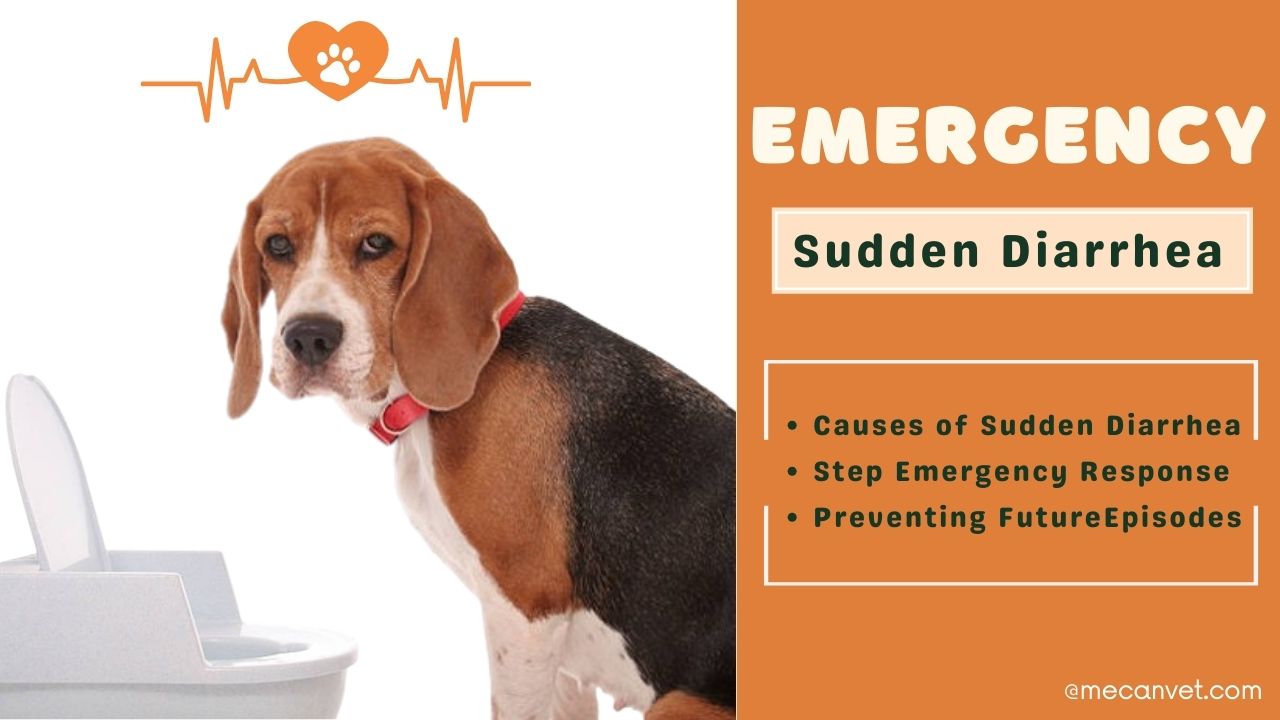 Pet owners share a special bond with their furry friends, and one common issue they may face is pet diarrhea. Knowing how to handle this situation is crucial for the well-being of your beloved pet. This article focuses on empowering pet owners to effectively deal with sudden pet diarrhea, offering step-by-step guidance on recognizing, assessing, and providing immediate care.
I. Recognizing the Urgency Recognizing the urgency of the situation is the first step in effectively handling sudden pet diarrhea. It's important to quickly identify when your pet has diarrhea. Common signs include loose, watery stools, increased frequency of bowel movements, and accidents in the house. Additionally, you might notice your pet straining or whimpering while trying to defecate. These signs indicate discomfort and require immediate attention.
II. Common Causes of Sudden Diarrhea Understanding the potential causes of sudden pet diarrhea is essential for making the right decisions when faced with this issue. It's important to recognize that different causes may require different approaches. Here, we'll delve into some of the most common reasons for sudden diarrhea in pets and how to identify them.
Dietary Changes: One of the most common causes of sudden diarrhea in pets is a change in their diet. If you've recently switched your pet to a new brand of food, or if your pet has had access to something unusual, like table scraps or trash, it could lead to digestive upset. Pay attention to recent dietary changes when assessing the cause of diarrhea.

Identifying the cause of sudden diarrhea can be challenging, as some causes share similar symptoms. However, taking note of recent changes in your pet's environment, diet, and behavior can help you make a more accurate assessment. If your pet has ingested something unusual or is displaying severe symptoms, consult a veterinarian promptly. They can perform diagnostic tests to pinpoint the exact cause and provide appropriate treatment.
By understanding these common causes, pet owners can begin to narrow down the possibilities and make informed decisions when addressing sudden pet diarrhea. Always remember that prompt and attentive care is crucial for your pet's well-being. III. Step-by-Step Emergency Response Now, let's delve into the heart of the matter: how to respond to sudden pet diarrhea.
Step 1: Recognizing the Problem
The first thing to do is to spot the signs of diarrhea in your pet, as mentioned earlier. Don't ignore these signs, as diarrhea can lead to dehydration and discomfort. Step 2: Isolating Your Pet
If your pet has diarrhea, consider isolating them in an easily cleanable area. This can prevent accidents in your home and make cleanup easier. Step 3: Assessing the Severity
Observe the severity of the diarrhea. If it's mild and your pet is otherwise healthy, you can start with home care. However, if the diarrhea is severe, contains blood, or is accompanied by other concerning symptoms, contact a vet immediately. Step 4: Providing Immediate Care at Home
For mild cases, you can:Withhold food for 12-24 hours to rest the digestive system.Ensure your pet has access to clean, fresh water to prevent dehydration. Gradually reintroduce a bland diet of boiled rice and chicken to soothe the stomach. Consider giving your pet probiotics to promote healthy gut bacteria. Step 5: When to Consult a Veterinarian
If the diarrhea persists for more than 24 hours, worsens, or if your pet becomes lethargic or shows signs of pain, consult a veterinarian. Be prepared to provide information about your pet's recent activities, diet, and any potential ingestions. Step 6: What to Expect During a Vet Visit
During the vet visit, your pet may undergo a physical examination, blood tests, and fecal analysis. Treatment will depend on the underlying cause. It could involve medications, dietary changes, or other interventions. IV. Preventing Future Episodes Preventing future episodes of pet diarrhea is important for your pet's well-being and your peace of mind. Ensure your pet has a balanced diet and is not exposed to potentially harmful substances. Regular vet check-ups can help identify and address any health issues early.
V. Real Stories and Success Stories Learning from the experiences of other pet owners can be valuable. Here are a few success stories where quick and informed actions led to positive outcomes: Story 1: Lisa and Her Dog
Sudden pet diarrhea can be a distressing experience for both you and your pet. However, with knowledge and a quick response, you can effectively address the issue and provide the necessary care. Always be attentive to your pet's health and, if in doubt, consult your veterinarian. Your beloved companion's well-being is worth every effort.
|


Chronic Kidney Disease: A Silent Threat to Our Feline Companions
The Significance of X-rays in Canine Surgery
Related Article


