
How Do Automatic Egg Incubators Work?
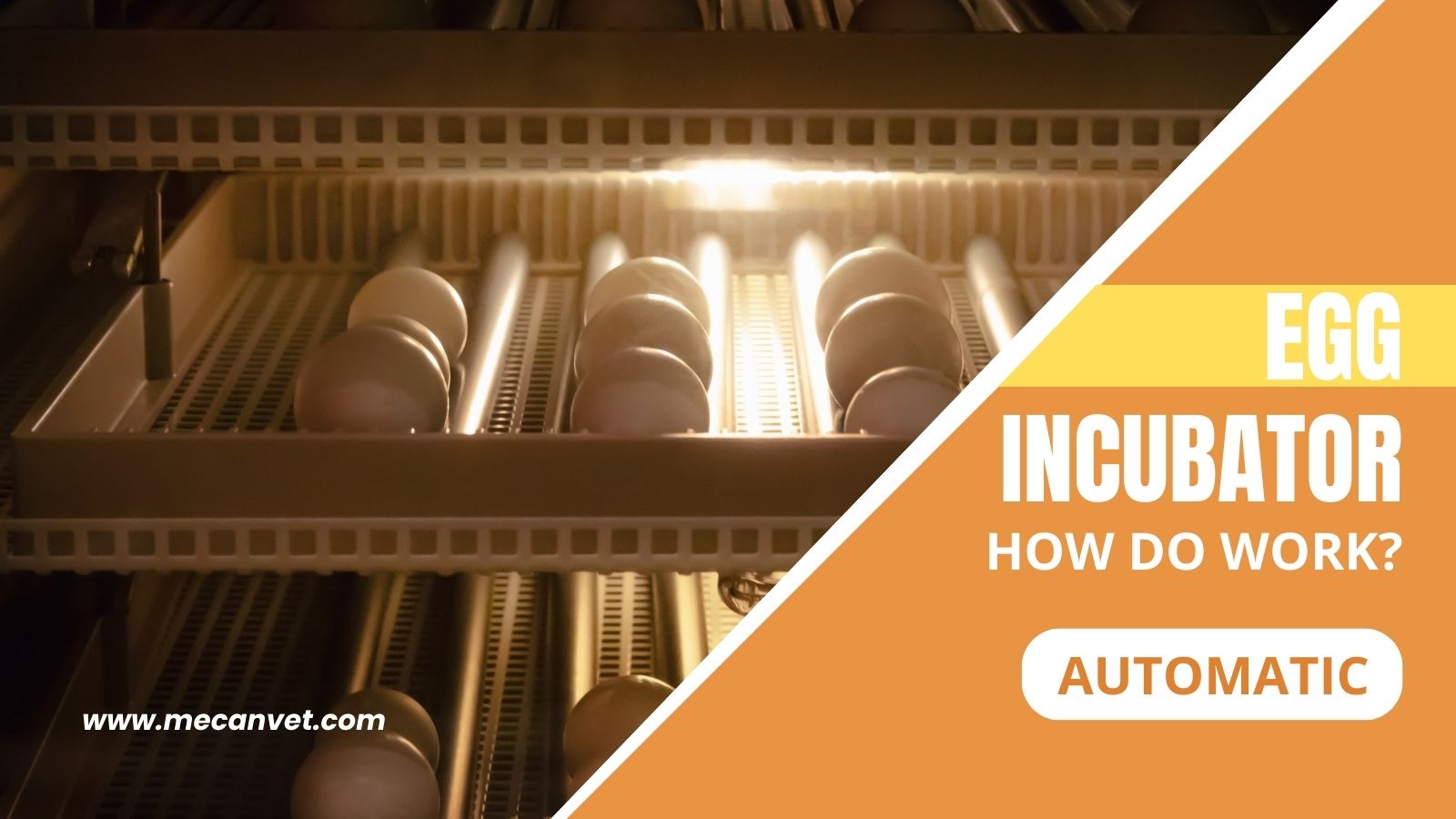
In the fascinating world of poultry and avian reproduction, automatic egg incubators have emerged as revolutionary tools that have transformed the way we bring new life into the world. Whether you're a hobbyist looking to hatch a few eggs in your backyard, a small-scale farmer aiming to boost your flock, or a researcher delving into the mysteries of embryonic development, understanding these remarkable devices is essential.
The Inner Workings: Unraveling the Hatching Mechanism
At the heart of every automatic egg incubator lies a complex yet sophisticated system designed to mimic nature's perfect incubation conditions. Temperature control is the linchpin. These incubators, especially those microcomputer-controlled ones, are equipped with highly sensitive thermistors that constantly monitor the internal temperature. For most common poultry eggs like chicken eggs, the ideal temperature hovers around 37.5°C to 38.5°C throughout the incubation period. The microcomputer acts as the vigilant guardian, instantly activating heating elements when the temperature dips and cooling mechanisms, if needed, to prevent overheating. This precision is what sets automatic incubators apart from their traditional counterparts, ensuring consistent embryonic growth.
Humidity regulation is equally crucial. Different stages of incubation demand varying levels of moisture. In the initial days, a relatively moderate humidity of around 50% - 55% helps maintain the egg's internal osmotic balance. As the embryos develop and approach hatching, the humidity needs to be ramped up to approximately 65% - 75% to soften the eggshell, facilitating the chicks' struggle to break free. Specialized humidity sensors work in tandem with humidifiers and dehumidifiers, orchestrated by the microcomputer, to create this Goldilocks zone of moisture.
Ventilation is another unsung hero. Adequate air exchange is vital to supply the growing embryos with fresh oxygen and whisk away carbon dioxide. Automatic incubators feature carefully designed ventilation systems, with the microcomputer adjusting fan speeds and vent openings based on the number of eggs and the stage of incubation. This intelligent airflow management mimics the gentle breezes that would caress eggs in a natural nest, preventing suffocation and promoting healthy development.
The Marvels of Automation: Intelligent Features Galore
One of the most captivating aspects of modern automatic egg incubators is their array of intelligent features. Take, for instance, the automatic egg-turning mechanism. Embryos need to be gently rotated at regular intervals, typically every 1 - 2 hours, to prevent them from sticking to the inner shell membrane and to ensure even distribution of nutrients. Microcomputer-controlled incubators execute this task with military precision, tilting the eggs at the optimal angle, usually between 45° and 90°. This not only saves the hassle of manual turning but also significantly boosts the chances of successful hatching.
The user experience has also been revolutionized. With a simple touchscreen or button interface, even a novice can navigate the incubation process with ease. You can effortlessly input the type of eggs you're incubating, the number of eggs, and the expected hatch date. The incubator then takes over, providing real-time updates on temperature, humidity, and the progress of the incubation. In case of any malfunctions, such as a temperature spike or a faulty fan, an audible and visual alarm alerts you, accompanied by detailed error messages on the display, guiding you through troubleshooting steps.
From Backyards to Research Labs: Versatile Applications
In the cozy confines of a home backyard, automatic egg incubators offer a world of possibilities. They allow families to engage in a hands-on educational experience, watching as eggs transform into fluffy chicks. You can hatch a variety of eggs, from the diminutive quail eggs that hatch in a matter of weeks to the more common chicken eggs. It's a great way to introduce children to the cycle of life and instill a sense of responsibility.
For small-scale farmers, these incubators are a game-changer. They can incubate hundreds of eggs at a time, ensuring a steady supply of chicks to replenish the flock. By maintaining optimal hatching conditions, farmers can expect higher hatch rates and healthier chicks, translating into increased productivity and profitability. The ability to plan hatch batches in advance helps synchronize the growth of the flock with market demands.
In the hallowed halls of research institutions, automatic egg incubators serve as indispensable tools. Scientists can precisely control the incubation environment to study embryonic development under different conditions. They can manipulate variables like temperature, humidity, and nutrient availability to understand how these factors impact gene expression, organogenesis, and overall chick health. This research paves the way for advancements in poultry breeding, disease prevention, and improving the quality of commercially produced eggs and meat.
Making the Right Choice: Tips for Selecting and Maintaining Your Incubator
When it comes to choosing an automatic egg incubator, several factors come into play. Capacity is a primary consideration. If you're a home user, a smaller incubator with a capacity of 10 - 50 eggs might suffice. However, farmers will need larger models that can handle hundreds or even thousands of eggs. Brand reputation matters too. Opt for well-established brands known for their quality control, reliable after-sales service, and continuous innovation. Look for features that meet your specific needs, such as ultraviolet sterilization to keep the incubator germ-free or egg candling capabilities to monitor embryo development.
Maintenance is the key to the long-term success of your incubator. Regularly clean the interior with a mild disinfectant to prevent the buildup of bacteria and mold, which can harm the eggs. Check the heating elements, fans, and sensors periodically to ensure they're functioning optimally. Replace any worn-out parts promptly. When not in use, store the incubator in a cool, dry place, protected from dust and sunlight.
In conclusion, automatic egg incubators, be they fully automatic or microcomputer-controlled, have opened up a world of opportunities in the realm of avian reproduction. By understanding their inner workings, leveraging their intelligent features, and making informed choices when it comes to selection and maintenance, we can all play a part in bringing new life to the avian kingdom, whether for personal enjoyment, agricultural prosperity, or scientific discovery.
How Does a Veterinary Infusion Warmer Work?
Veterinary Woods Lamp vs UVB Lamp
Related Article


