
Digital Radiography (DR) for Small Animals: Benefits, Case Studies & Factory-Direct Solutions
Veterinary imaging has changed a lot over the years, from the analog film systems to computed radiography, and now to fully digital radiography. Today, clinics prefer to use a Veterinary DR System because it delivers instant images, constant quality, and a smoother workflow.
You can see this shift in emerging markets like Africa and Southeast Asia, because pet ownership has increased and clinics want to deliver much faster and accurate diagnoses. Consequently, let’s take a look at small animal x-ray systems and how it’s becoming the standard in veterinary practices.
Why Use a Specialized Veterinary DR System?
It might seem cost effective to use a human X-ray system in veterinary practice, but you’ll end up compromising and this would show quickly in daily operations. Human systems are designed for predictable anatomy and positioning, but veterinary cases aren’t.
That’s because animals are very different in size, as a kitten might just be 1kg while a dog is 50kg. Meanwhile, positioning is inconsistent depending on whether they are sedated, stressed, lateral, or oblique, and motion of animals is unpredictable.
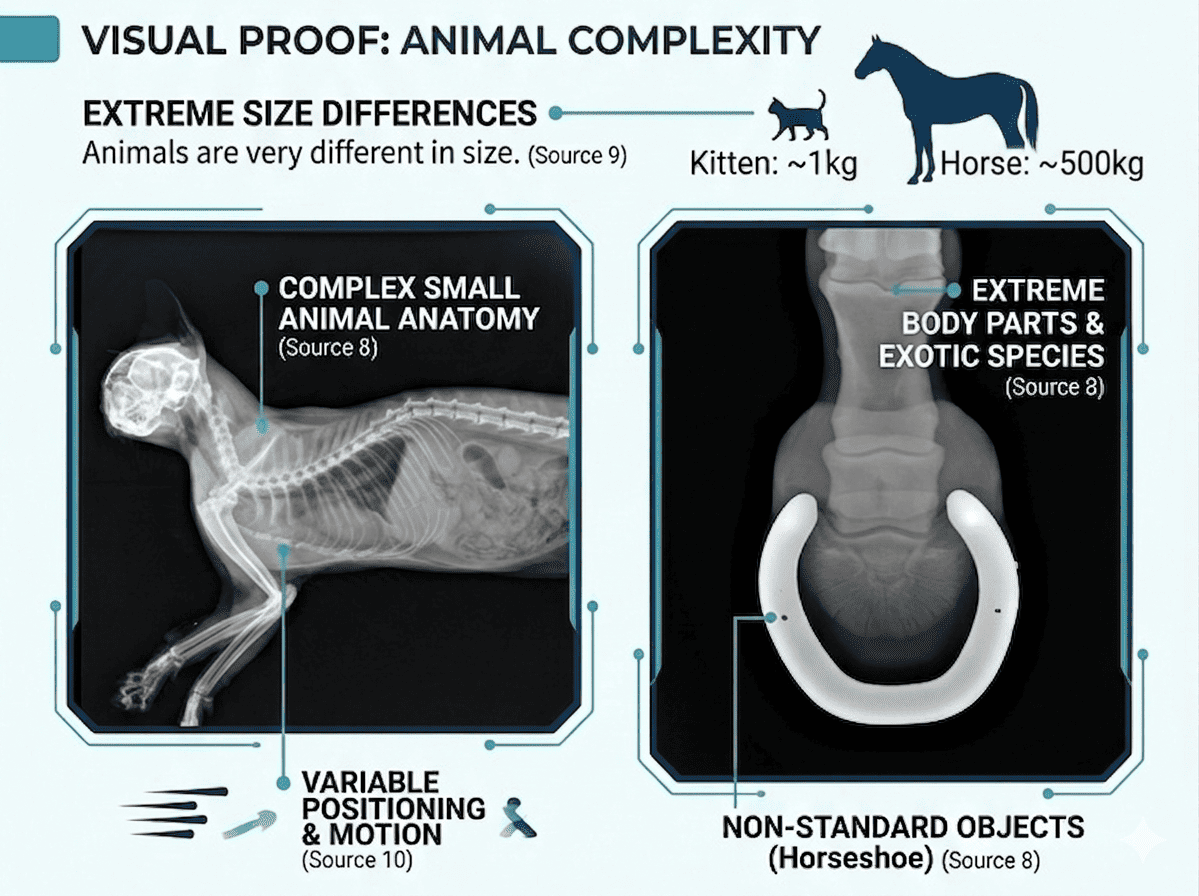
But a purpose built veterinary DR system will solve this problem with the hardware and software that’s built for animals.
- Vet Specific Imaging Software
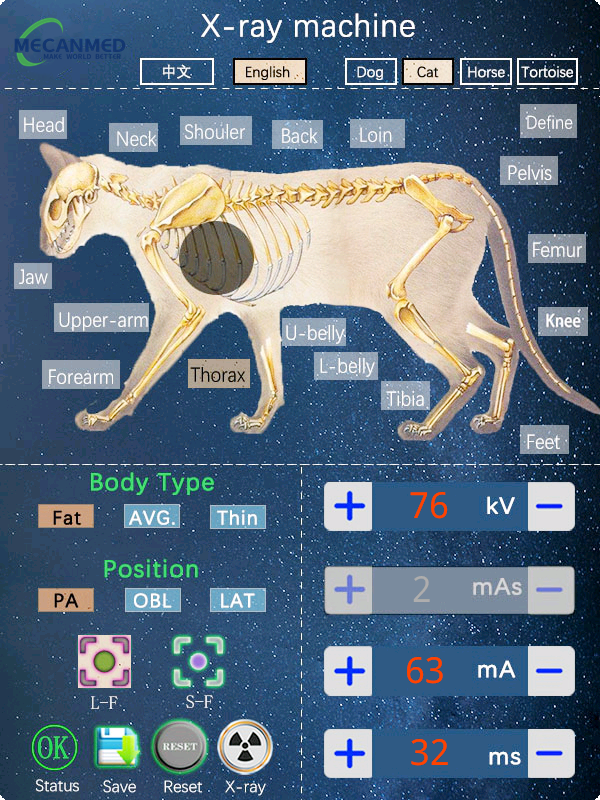
The main difference in the two x-ray machines is the anatomically programmed radiography which is designed specifically for animals. Instead of generic presets, veterinary imaging software includes species-specific protocols for canine, feline, or exotic animals, body-part presets, and auto-adjusted exposure parameters depending on the size of the animal.
These imaging software comes with dedicated algorithms for fine bone structures, small animal cardiac imaging, and soft tissue contract enhancement. This is important because small animals will need different contrast curves and processing logic than humans.
- Flat Panel Detector (FPD) Sensitivity
All pet x-ray solutions stand out with the flat panel detector, which can convert X-rays straight to electrical signals for instant image display. This offers a higher spatial resolution and wider dynamic range than film or CR, and will also capture all the fine anatomical details with precision.
- High Speed Capture
Unlike human patients, animals hardly ever stay still. Modern veterinary orthopedic imaging systems will address this with short exposure times, high-frequency generators such as 32kW systems and fast image acquisition.
Clinical Benefits of a Small Animal X-Ray
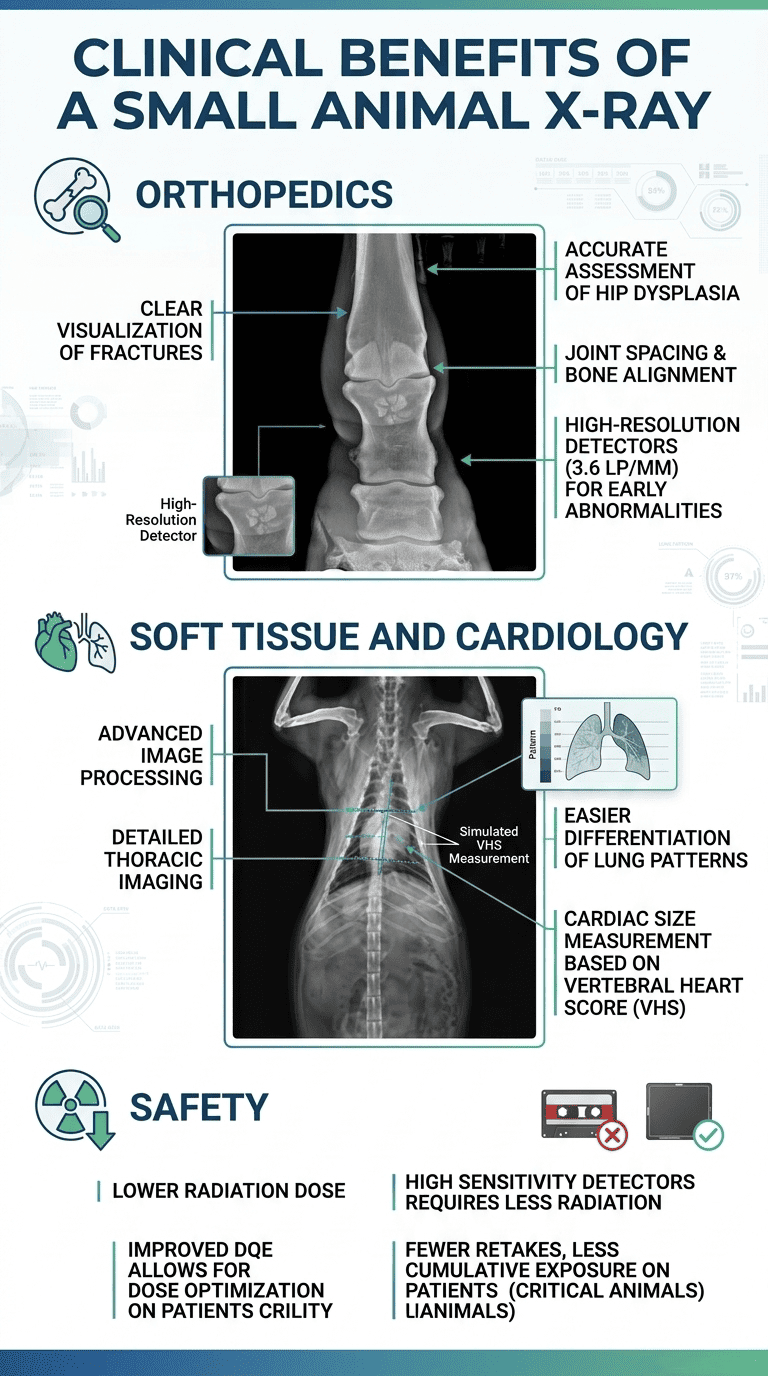
There are different benefits that small animal x-ray systems offer for clinics.
 Orthopedics
Efficiency and Workflow
Looking at case studies and use cases, veterinary imaging software is a complete ecosystem. The typical workflow is:
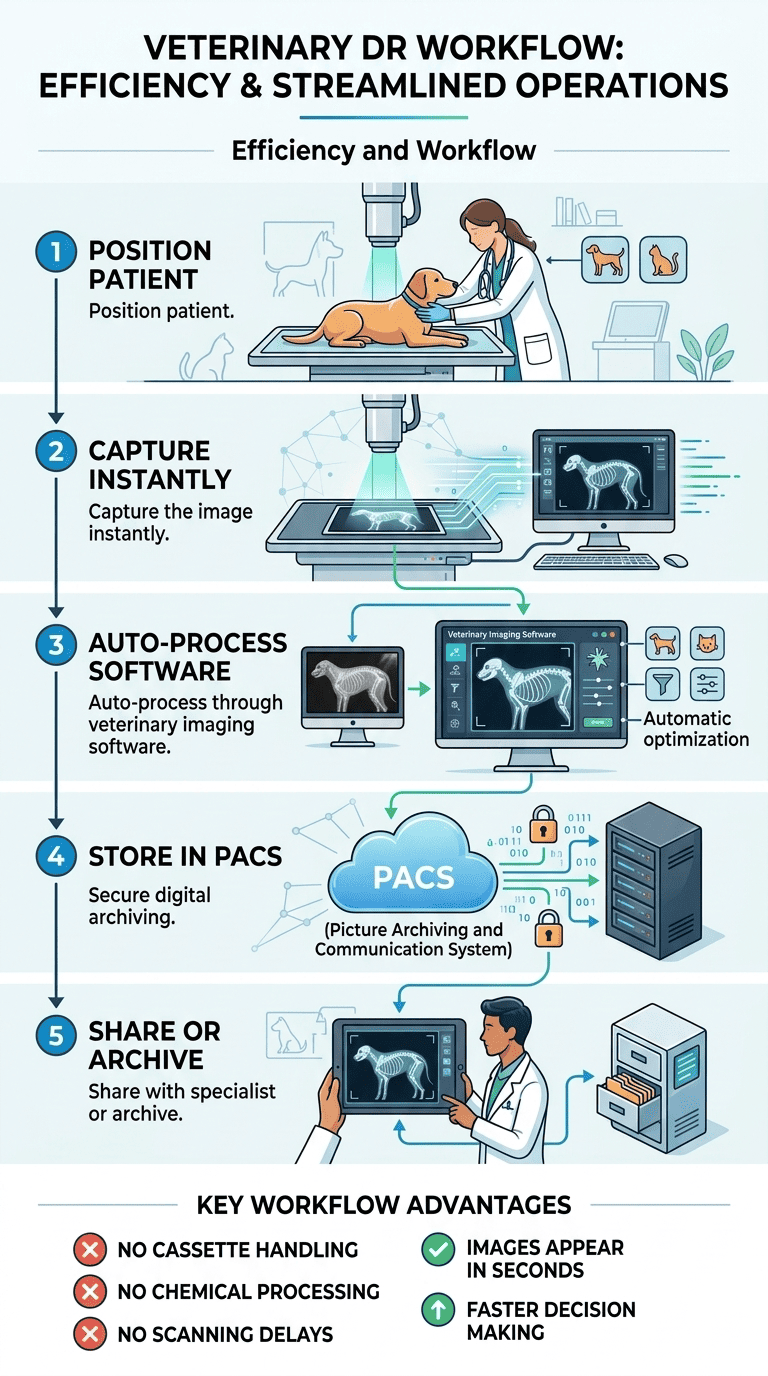
- Position patient
- Capture the image instantly
- Auto-process through veterinary imaging software
- Store in PACS
- Share with specialist or archive
Compared to using CR or film, there’s no cassette handling, scanning delays, or chemical processing. Images will appear within seconds and it would allow for faster decision making.
Case Scenario
A mid-sized clinic upgrading from CR to DR will see a 30% to 50% reduction in exam time, and a significant drop in retakes because of the exposure errors. It would also see an elimination of film and chemical processing costs.
The operational impact is more patients per day, faster emergency response, and a higher client satisfaction. With digital radiography for clinics:
- Images can be instantly viewed and shared across systems.
- Remote consultations will become the standard.
- Staff training time will be reduced due to the automated workflows.
Buying Guide for Africa and Southeast Asia
In Africa and Southeast Asia, equipment needs to handle the real world conditions like power fluctuations, high humidity, and temperature variability. So, clinic directors, investors, and distributors should look for systems with stable high-frequency generators, detector protection against humidity and voltage adaptability.
By sourcing from the factory, clinics can get a better price-to-performance ratio, no distributor markup, and a custom configuration for local needs. Instead of overpaying for imported branded systems, clinics can invest in high spec FPD, advanced veterinary imaging software, and scalable PACS integration.
However, it’s also important to focus on a strong after-sales structure. Look out for a manufacturer with remote technical support, available spare parts both locally or regionally, and software updates and calibration support.
When purchasing digital radiography for clinics, it’s best to work with a manufacturer. They provide:
- Full system integration for hardware and software
- Customization for the clinic size, budget, and local infrastructure.
- Faster deployment and support.
This is especially important for growing clinics and the distributors in emerging markets.
Conclusion
Changing to a veterinary DR system is an important decision for any animal clinic. With faster imaging, better diagnostic accuracy, lower radiation exposure, and streamlined workflows, digital radiography for clinics will change how small animal care is being delivered.
5 Must-Have Diagnostic Tools for New Vet Clinics: Essential Guide for Wholesale Buyers
How to Set Up a High-Quality Veterinary Lab: A Complete Equipment List from a One-Stop Supplier
Related Article


