
Differences Between PCR and qPCR
2024-02-29
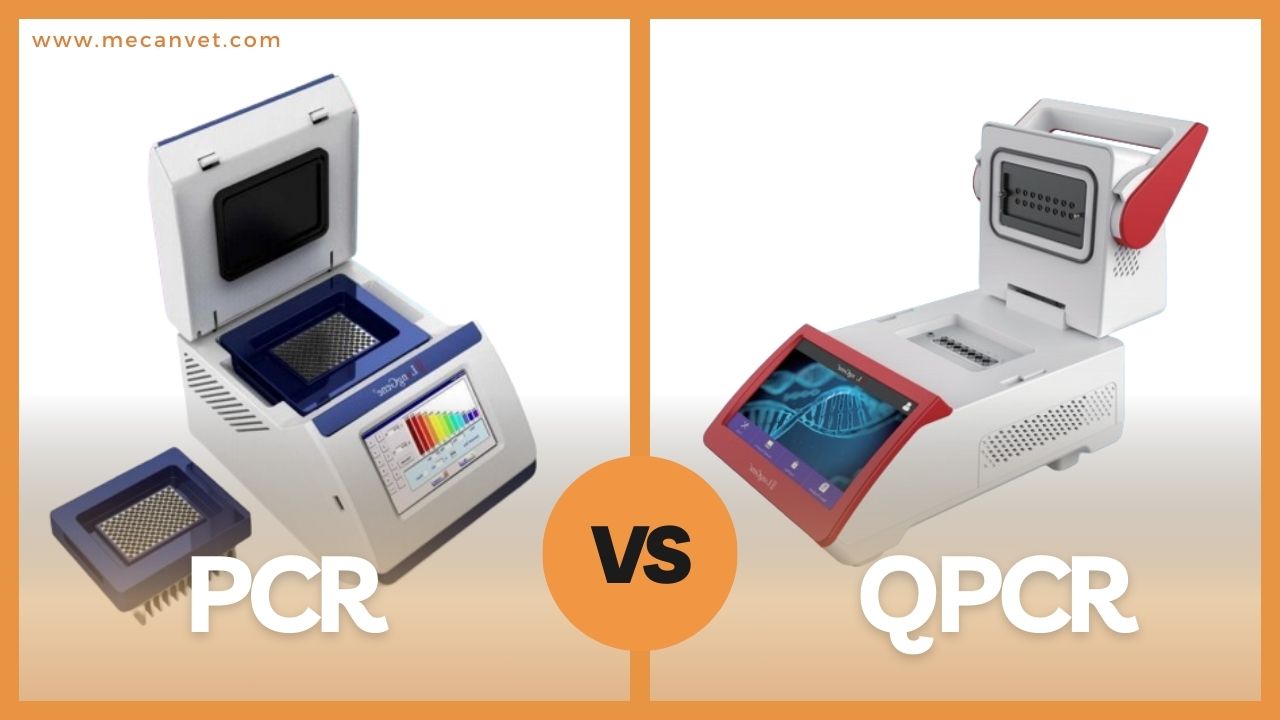 Differences Between PCR and qPCR
Understanding PCR:
Polymerase Chain Reaction (PCR) is a molecular biology method utilized to amplify specific DNA sequences in vitro. Each organism possesses unique DNA sequences, and PCR enables the detection of specific DNA sequences in a sample to determine the presence of a particular target. PCR technology facilitates the exponential amplification of specific DNA sequences to millions of copies, allowing for the detection of even trace amounts of the target DNA. Whether it involves ancient DNA from fossils dating back millions of years or biological evidence from crime scenes decades ago, PCR can amplify the DNA for analysis. This explains why DNA evidence often plays a crucial role in criminal investigations, as depicted in many crime dramas.
Since its inception, PCR has played a significant role in various fields such as molecular diagnostics, paternity testing, and forensic investigations. In veterinary medicine, PCR is primarily used for virus detection, enabling accurate determination of positive or negative results, even with minimal virus quantities, ensuring result accuracy.
Understanding qPCR:
Quantitative Real-time Polymerase Chain Reaction (qPCR) involves adding fluorescent dyes or probes to the PCR amplification reaction mixture. Throughout the PCR process, fluorescence signals are collected in real-time to monitor changes in the amount of amplified product in each cycle. Quantitative analysis of the samples is then performed based on standard curves and cycle threshold (CT) values. At Beastie Molecular Diagnostics, all projects utilize qPCR technology. In addition to determining positive or negative results, quantitative PCR provides numerical values for sample concentrations if the result is positive.
Quantitative values are expressed as N*10 to the power of -8. Any value below 1x10^-8 (ug/uL) is considered negative, as this represents the lowest detection limit of the assay.
qPCR offers superior specificity and sensitivity compared to conventional PCR. However, its operation involves certain complexities, as each step of the experiment may influence the results. Therefore, standardized procedures are crucial for ensuring result accuracy.
Apart from the professionalism of the equipment, other factors such as adherence to gold standards, expertise of personnel, potential environmental contamination, and procedural accuracy are equally important aspects of the testing process that cannot be overlooked.
|
Why Do Dogs Eat Grass?
Diagnosis and Treatment of Jaundice in Dogs and Cats
Related Article

Build a complete veterinary clinic with one-stop equipment planning for imaging, surgery, anesthesia, laboratory testing, recovery, and animal care.
One-Stop Veterinary Clinic Setup Guide: Imaging, Surgery, Lab and Recovery

Learn how to set up a veterinary clinic in 2026 with a complete equipment list for imaging, surgery, lab, recovery, grooming, and daily diagnosis.
How to Set Up a Veterinary Clinic: Complete Equipment List for 2026

