Welcome to MeCan Vet

qr Code Url

Scan qrcode to view mobile website

    Home Highlights Industry News Chronic Kidney Disease: A Silent Threat to Our Feline Companions
    Chronic Kidney Disease: A Silent Threat to Our Feline Companions

    2023-11-08
    Chronic Kidney Disease: A Silent Threat to Our Feline Companions
     
    Feline companions bring joy and warmth into our lives, and as they age, we want to ensure their well-being. One of the most common health concerns for older cats is Feline Chronic Kidney Disease (CKD). Let's explore this condition further, from its prevalence to the subtle signs and effective management
     

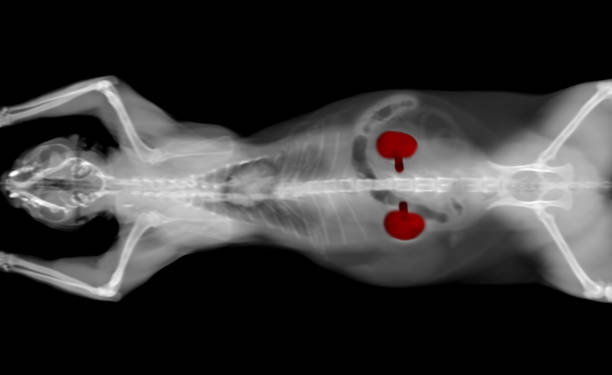
    I. A Closer Look at CKD

    CKD is a progressive and long-lasting ailment, with early symptoms often escaping our notice. Cats are masters at concealing discomfort, making it crucial for cat owners to remain vigilant. The kidneys are vital to a cat's metabolic processes, and CKD emerges when these organs sustain damage for more than three months.

    Feline Chronic Kidney Disease

    II. Age and Vulnerability

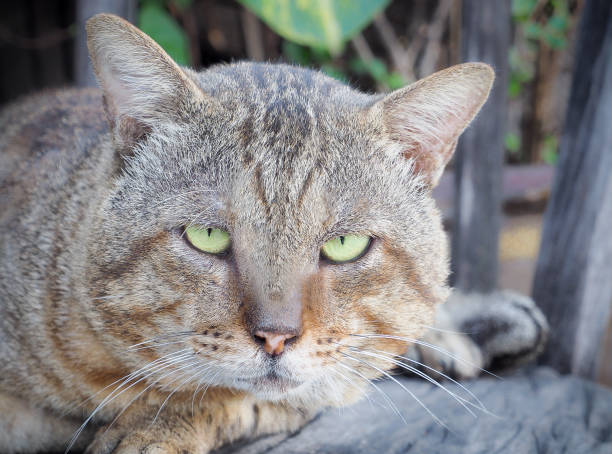
    Compared to their canine counterparts, cats are more susceptible to CKD, with a threefold higher incidence. This underscores the importance of monitoring our feline friends' kidney health. As cats grow older, their risk of CKD increases significantly. Cats aged ten or more have a greater than 30-40% chance of developing CKD, and for those exceeding 15 years, the risk soars to 20-50%.

    Feline chronic kidney disease (CKD) is more common in older cats

    III. Navigating CKD Treatment

    While there is no cure for CKD in cats, there are ways to manage the disease and alleviate its impact. Treatment strategies depend on the stage of the disease and the cat's overall health, as determined by a veterinarian.
    1. Medication for Kidney Function: Veterinarians may prescribe medications to address abnormal kidney function, such as phosphate binders or medications to manage blood pressure. These can help slow the progression of the disease.
    2. Nutritional Support: Nutrition is a crucial aspect of CKD management. Veterinarians perform a comprehensive nutritional assessment to determine the cat's dietary needs. Dietary changes, such as switching to kidney-friendly prescription diets or adjusting protein intake, can be recommended.
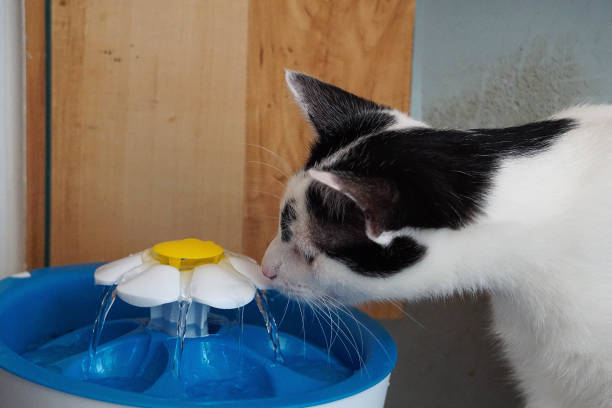
    3. Maintaining Hydration: Cats with CKD are prone to dehydration due to increased thirst and urination. Cat owners can help by providing fresh water at all times and even investing in cat water fountains to encourage more drinking.
    After diagnosis of CKD, pay attention to replenishing water for cats

    IV. Recognizing Subtle Symptoms

    Early detection of CKD is challenging, but a vigilant cat owner can pick up on subtle symptoms once their feline friend is diagnosed. Keep an eye out for:

    • Lethargy and Weight Loss: A rapid drop in energy levels and noticeable weight loss are concerning signs. While older cats may naturally slow down, sudden changes warrant attention.
    • Increased Thirst and Urination: CKD often leads to increased drinking and more frequent urination. The urine may appear paler. Dehydration can result from these symptoms, as cats typically have a low thirst drive.

    V. Everyday Care for CKD Cats

    Once diagnosed, caring for a cat with CKD requires dedication:

    • Nutrition Assessment: A veterinarian's guidance is essential for managing your cat's diet. They will consider your cat's dietary history, physical condition, and hydration status when recommending dietary changes.
    • Encourage Hydration: Dehydration is a common issue for cats with CKD. Make sure your cat has access to fresh water at all times. Consider using a cat water fountain to entice them to drink more.
    • Prescription Diets: If your veterinarian recommends prescription kidney diets, follow their guidance closely. These specialized diets are formulated to support kidney function and should only be given under veterinary supervision.

    In conclusion, Feline Chronic Kidney Disease is a prevalent and often hidden condition that affects many aging cats. By being aware of the risk factors, subtle symptoms, and effective management strategies, we can ensure that our furry companions enjoy a higher quality of life in their later years, even in the face of this challenging disease.

    ensure that our furry companions enjoy a higher quality of life in their later years


    Share:

    Protecting African Forest Elephants

    Emergency Response: How Pet Owners Can Deal with Sudden Diarrhea

    Related Article

    image
    Build a complete veterinary clinic with one-stop equipment planning for imaging, surgery, anesthesia, laboratory testing, recovery, and animal care.
    One-Stop Veterinary Clinic Setup Guide: Imaging, Surgery, Lab and Recovery
    2026-07-02
    image
    Learn how to set up a veterinary clinic in 2026 with a complete equipment list for imaging, surgery, lab, recovery, grooming, and daily diagnosis.
    How to Set Up a Veterinary Clinic: Complete Equipment List for 2026
    2026-06-02
    image
    Veterinary Ultrasound Maintenance tips for clinics. Learn how to reduce repair costs, protect probes, and extend ultrasound system lifespan.
    Veterinary Ultrasound Maintenance: Tips to Extend Life
    2026-05-28
    image
    Discover the essential ophthalmology equipment - from slit lamps to tonometers - needed to upgrade your veterinary eye clinic and improve diagnostic accuracy.
    Top Ophthalmology Devices Every Veterinary Eye Clinic Needs
    2026-05-19

    Phone/Whatsapp: +86-17324331586

    Email: market02@mecanmedical.com

    Tel: +86-20-84835259

    Address​​​​​​: Room 510, Yidong Mansion, No.301, Huanshi Middle Rd, Xiaobei, Yuexiu, Guangzhou, China

    Products

    Solutions

    Services

    Contact

    Download

    Subscribe to our latest news

    SiteMap

    Copyright © 2021 King Theme v2. Powered by web
    (8674)
    0