
Welcome to MeCan Vet

qr Code Url

Scan qrcode to view mobile website

    Home Highlights Industry News Causes and Prevention of Pancreatitis in Dogs
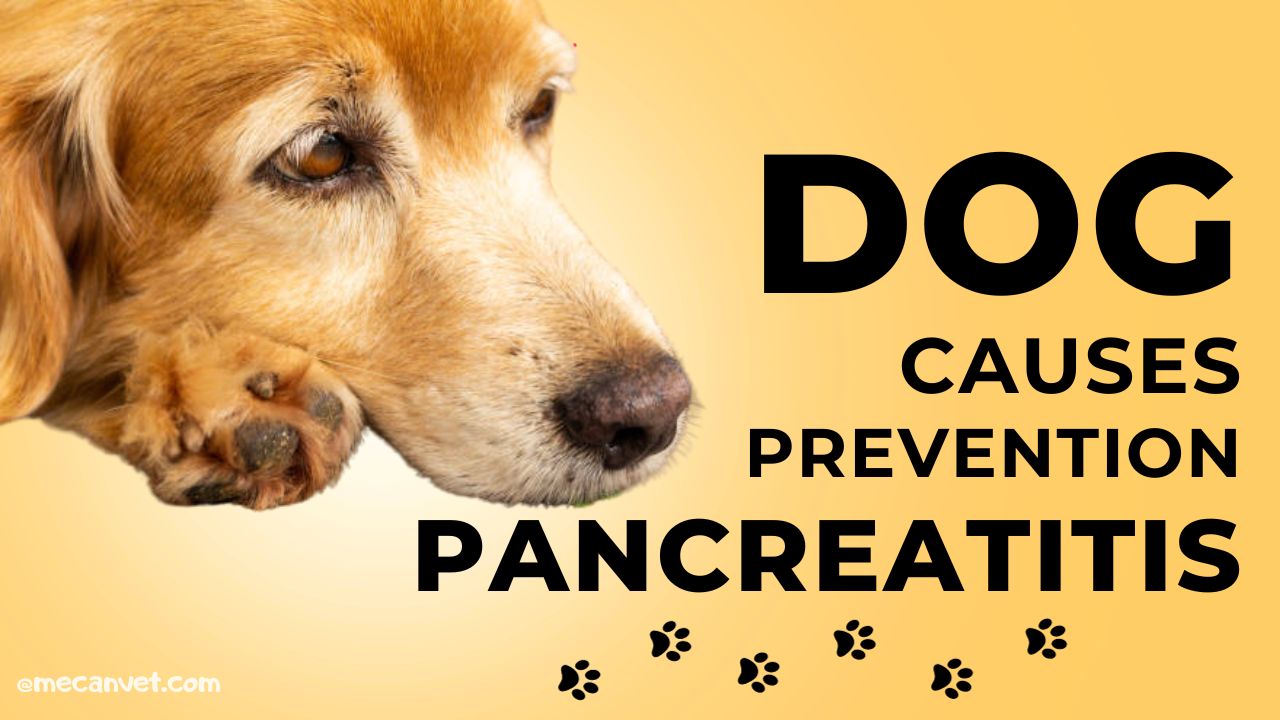
    Causes and Prevention of Pancreatitis in Dogs

    2023-09-11
    Causes and Prevention of Pancreatitis in Dogs
     
    Your adorable furry companion is your partner and friend in life, and you want to provide them with the best care and protection possible. However, there is a disease that can threaten the health and happiness of your dog, and that's pancreatitis. In this article, we will delve into the causes of pancreatitis in dogs and provide some essential prevention methods to help you take better care of your furry friend.
     

    I. Overview of Pancreatitis

    First, let's understand what pancreatitis is and why it's so crucial. The pancreas is an organ located behind the stomach, playing several vital roles, one of which is producing pancreatic juice to aid in food digestion. Pancreatic juice contains enzymes that are essential for digesting proteins, fats, and carbohydrates. Pancreatitis refers to inflammation of the pancreas, which can result in its improper functioning, thereby affecting food digestion and nutrient absorption.

    II. Connecting the Veterinary Monitor Properly

    1. Dietary Factors
    Diet plays a significant role in the development of pancreatitis in dogs. High-fat foods are a potential risk factor because they can lead to excessive secretion of pancreatic juice, damaging pancreatic tissue. Additionally, overfeeding and feeding human food can also have adverse effects on a dog's pancreas. To prevent pancreatitis, pet owners should select appropriate dog food, avoid high-fat foods, and refrain from overindulging their dogs with human food.

    2. Genetic Factors
    Genetics also play a role in the onset of pancreatitis. Some dog breeds and families may be more susceptible to this disease. Therefore, if your dog belongs to a breed prone to pancreatitis or has a family history of the condition, genetic testing is essential. By understanding potential risks, you can take preventive measures to ensure the health of your furry companion.

    3. Medication and Toxin Exposure
    Certain medications and toxins can harm a dog's pancreas. For example, specific drugs can trigger pancreatitis, so it's crucial to consult a veterinarian's advice before administering any medication to your dog. Furthermore, some toxic substances like alcohol, chocolate, and grapes can also lead to pancreatitis. Ensure that your dog is kept away from these hazardous substances and store them in places inaccessible to pets.

    4. Other Potential Causes of Pancreatitis
    Pancreatitis can also be a result of infection or other diseases. Infections, injuries, or other medical conditions can lead to inflammation, ultimately affecting pancreatic function. Therefore, prompt medical attention and examination are crucial if your dog exhibits symptoms related to pancreatitis. Early detection and treatment can significantly improve the chances of recovery.

    III. Symptoms and Diagnosis

    Now, let's understand the possible symptoms of pancreatitis in dogs. Typical symptoms include vomiting, abdominal pain, loss of appetite, and diarrhea. If your dog displays these symptoms, it's essential to contact a veterinarian for an examination. Initial diagnosis typically includes a physical examination and blood tests, but further investigations such as ultrasound or CT scans may be necessary to confirm the diagnosis.

    IV. Prevention and Treatment

    1. Prevention Measures
    Now, let's look at how to prevent pancreatitis in dogs. The key to prevention is proper dietary management. Choose low-fat dog food, avoid overfeeding, and refrain from feeding human food to your dog. If your dog belongs to a breed at risk or has a family history of the disease, consider genetic testing to understand potential risks. Also, ensure that your home is free of medications or toxins that could harm your dog.

    2. Treatment Methods
    If, unfortunately, your dog develops pancreatitis, early treatment is crucial. Treatment methods include specialized diets to relieve the pancreas's burden, medication, and, in some cases, surgical intervention may be necessary. Your veterinarian will develop the best treatment plan based on your dog's condition, so be sure to follow their guidance.

    V. The Role of Pet Owners

    As a pet owner, you play a vital role in preventing and treating pancreatitis. In addition to providing appropriate diet and medical care, you should also offer plenty of love and support. Dogs with pancreatitis may feel discomfort and pain, so your warmth and care are essential for their recovery.

    In conclusion, pancreatitis can pose a severe threat to your dog's health, but by understanding its causes, recognizing symptoms early, taking preventive measures, and providing appropriate treatment, you can protect your furry companion from this disease. Remember, as a pet owner, you have a responsibility to ensure your dog leads a healthy and happy life.
    Finally, I encourage every pet owner to prioritize their furry friend's health, schedule regular check-ups, and take preventive measures to keep them safe from diseases like pancreatitis. Your pet is a part of your life, and every day spent together is a precious gift. Let's work together to ensure their health and happiness.


    Share:

    How to Pluck Your Dog's Ear Hair: Taking Care of Your Pet's Health

    Comprehensive Guide to Caring for Adult Dogs

    Related Article

    image
    Build a complete veterinary clinic with one-stop equipment planning for imaging, surgery, anesthesia, laboratory testing, recovery, and animal care.
    One-Stop Veterinary Clinic Setup Guide: Imaging, Surgery, Lab and Recovery
    2026-07-02
    image
    Learn how to set up a veterinary clinic in 2026 with a complete equipment list for imaging, surgery, lab, recovery, grooming, and daily diagnosis.
    How to Set Up a Veterinary Clinic: Complete Equipment List for 2026
    2026-06-02
    image
    Veterinary Ultrasound Maintenance tips for clinics. Learn how to reduce repair costs, protect probes, and extend ultrasound system lifespan.
    Veterinary Ultrasound Maintenance: Tips to Extend Life
    2026-05-28
    image
    Discover the essential ophthalmology equipment - from slit lamps to tonometers - needed to upgrade your veterinary eye clinic and improve diagnostic accuracy.
    Top Ophthalmology Devices Every Veterinary Eye Clinic Needs
    2026-05-19

    Phone/Whatsapp: +86-17324331586

    Email: market02@mecanmedical.com

    Tel: +86-20-84835259

    Address​​​​​​: Room 510, Yidong Mansion, No.301, Huanshi Middle Rd, Xiaobei, Yuexiu, Guangzhou, China

    Products

    Solutions

    Services

    Contact

    Download

    Subscribe to our latest news

    SiteMap

    Copyright © 2021 King Theme v2. Powered by web
    (8674)
    0