
Canine Intervertebral Disc Disease: Comprehensive Guide
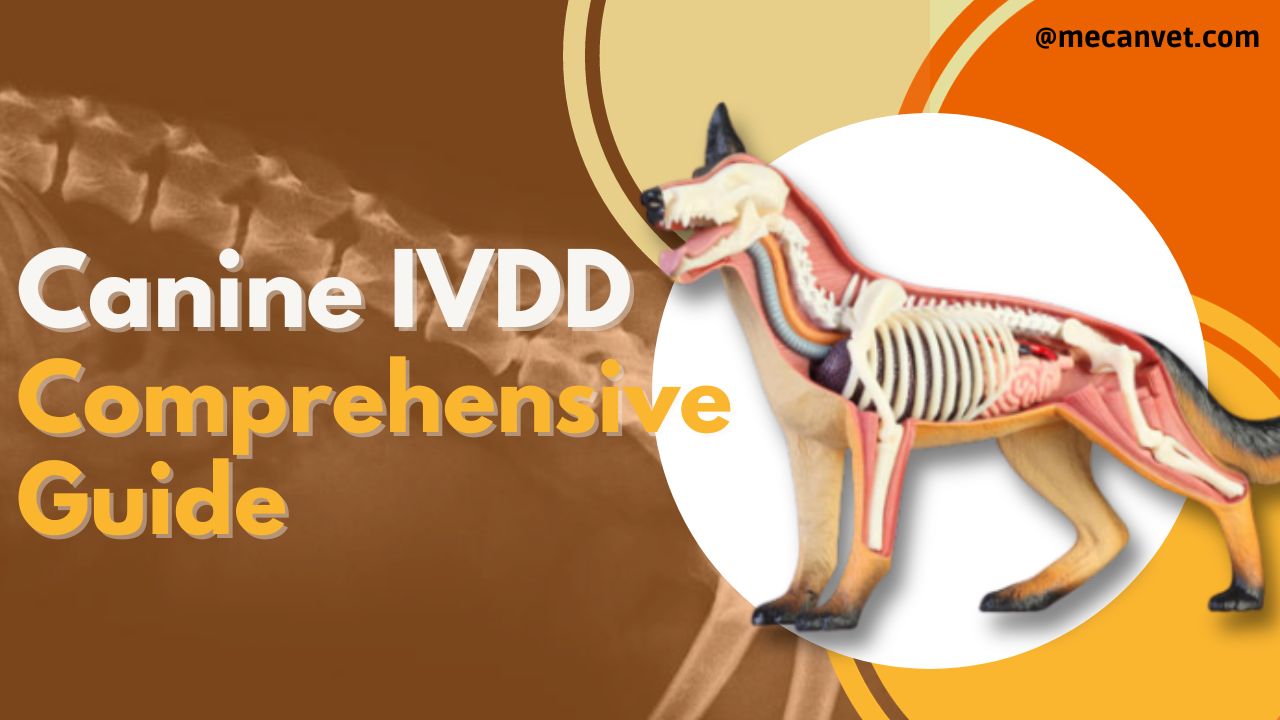 Canine intervertebral disc disease is a significant health concern that impacts the well-being of our beloved furry companions. This article aims to comprehensively examine various aspects of this disease, including its overview, symptoms, causes, diagnosis, treatment, prevention, and management. By gaining a deeper understanding of this condition, we can better care for our pets, providing them with the necessary support and attention they deserve.
I. Comprehensive Overview of Canine Intervertebral Disc Disease Intervertebral discs, situated between the vertebral bones of a dog's spine, play a vital role in supporting and cushioning the spinal column. However, canine intervertebral disc disease encompasses a range of conditions involving disc damage and abnormalities. These conditions mainly include intervertebral disc herniation, bulging discs, and disc degeneration. Intervertebral disc herniation refers to the rupture of the annulus fibrosus, the outer layer of the intervertebral disc, leading to the extrusion of the inner gel-like nucleus pulposus. This condition may place pressure on the surrounding nerve roots, leading to pain and inflammation. Intervertebral disc protrusion, on the other hand, involves a portion of the disc protruding into the spinal canal, also exerting pressure on the nerves, resulting in discomfort and pain. Both these types of conditions can occur in dogs, but they are generally more common in middle-aged and senior dogs, particularly in smaller breeds. Understanding these fundamental concepts is key to comprehending intervertebral disc disease and serves as the foundation for the exploration of other aspects discussed in this article. II. Symptoms of Canine Intervertebral Disc Disease The symptoms of canine intervertebral disc disease manifest in a variety of ways. Understanding these symptoms is crucial for early recognition and treatment of the disease.
Pain
Pain is one of the most common symptoms of canine intervertebral disc disease. It can present as severe pain in the back or neck area, or as discomfort that makes the pet visibly uneasy. Pain can be acute or chronic, depending on the nature and progression of the disease. Dogs may exhibit signs of pain by being reluctant to have their back or neck touched to alleviate discomfort. Mobility and Gait Issues
Intervertebral disc disease can lead to mobility and gait problems. Dogs may show an abnormal gait, such as a staggering or limping walk, which results from the impact of disc abnormalities on their mobility. They may also be unable to jump, hesitant to climb stairs, or display evident difficulties in movement. These issues often arise from the compression of nerve roots caused by disc abnormalities, disrupting normal nerve signal transmission. III. Exploring the Underlying Causes Genetic Predisposition
Genetic factors play a significant role in the predisposition of certain breeds to intervertebral disc disease. While the condition can affect any dog, some breeds, such as Dachshunds, Corgis, and French Bulldogs, are genetically more susceptible due to their unique conformation and genetic makeup. These breeds often have longer backs and shorter legs, which can increase stress on the intervertebral discs and make them more vulnerable to disc disease. It's important for breeders and pet owners of these breeds to be aware of this increased risk. Age-Related Changes
Age is another critical factor associated with intervertebral disc disease. As dogs age, their intervertebral discs naturally undergo degenerative changes. The discs lose their water content, become less flexible, and are more prone to herniation or protrusion. This is often why disc disease is more prevalent in older dogs, although it can affect younger dogs as well. It's important for pet owners to understand that as their dogs age, they may become more susceptible to this condition. Weight and Diet
Weight and diet are fundamental influencers of intervertebral disc health. Obesity is a significant risk factor, as excess body weight places additional stress on the spine and intervertebral discs. Maintaining a healthy weight through proper nutrition and regular exercise is crucial in preventing intervertebral disc disease. Additionally, diet plays a role in disc health. A balanced diet with appropriate nutrients, such as omega-3 fatty acids, can support disc health and reduce inflammation. Pet owners should consult with their veterinarians to ensure their dogs are on the right diet. Physical Activity and Exercise Injuries
Physical activity levels and exercise-related injuries can also contribute to intervertebral disc disease, especially in active dogs or those involved in high-impact activities. Overexertion, jumping from heights, or traumatic injuries can lead to disc herniation or protrusion. It's essential for pet owners to be mindful of their dogs' activity levels and ensure they engage in age-appropriate exercises and activities. Preventing excessive physical stress can significantly reduce the risk of disc disease. IV. The Complexity of Diagnosis Diagnosing canine intervertebral disc disease is a multifaceted process, often requiring a combination of clinical evaluation and advanced diagnostic tools.
Clinical History and Physical Examination
Diagnosis typically begins with a thorough clinical history and physical examination. Veterinarians will engage with pet owners to gather information about the dog's medical history, any recent injuries or changes in behavior, and the specific symptoms observed. A detailed examination of the dog's gait, posture, and palpation of the spine and affected areas can provide essential initial clues. The goal is to pinpoint potential issues and determine the areas of concern.
Diagnostic Imaging
Diagnostic imaging is a crucial aspect of diagnosing intervertebral disc disease. X-rays, computed tomography (CT) scans, and magnetic resonance imaging (MRI) are employed to visualize the spine's structures and assess the condition of the intervertebral discs. X-rays offer an initial overview of the spine, while CT scans and MRI provide detailed images of the disc's anatomy, revealing abnormalities or herniations. These imaging techniques are indispensable for accurately identifying the location and extent of the problem. Cerebrospinal Fluid Analysis
In some complex cases, cerebrospinal fluid analysis may be required to confirm the diagnosis. This invasive procedure involves obtaining a sample of cerebrospinal fluid from the spinal canal for analysis. Cerebrospinal fluid analysis helps in confirming the presence of inflammation and identifying specific markers related to disc disease. This additional step is particularly important when neurological symptoms are present and the diagnosis is less clear. Differential Diagnosis
It's worth noting that intervertebral disc disease can mimic other spinal conditions, such as spinal tumors or infections. This complexity in diagnosis underscores the importance of a comprehensive evaluation that includes all available diagnostic tools. Differential diagnosis, the process of distinguishing between similar conditions, can be challenging and requires the expertise of a skilled veterinarian. Timely Diagnosis and Intervention
Early diagnosis of intervertebral disc disease is critical for a more favorable prognosis. As the disease can progress rapidly and cause significant pain and neurological issues, pet owners should seek prompt medical attention if they suspect their dog is affected. Accurate diagnosis is the foundation for making informed decisions regarding treatment options, be it conservative management or surgical intervention. Neurological Symptoms
Another common symptom is the presence of neurological symptoms. Intervertebral disc disease can lead to nerve compression or damage, which affects the dog's nervous system. Some symptoms may include limb weakness, partial or complete paralysis, especially hindlimb paralysis, and urinary or fecal incontinence. These symptoms are typically indicative of severe disease and require urgent medical intervention. Different symptoms may manifest differently in various dogs, depending on the location and severity of the affected disc. For dog owners, understanding these symptoms and closely observing changes in their pet's behavior is crucial, as early diagnosis and intervention can significantly improve the prognosis of the disease.
V. Multifaceted Approaches to Treatment The treatment of canine intervertebral disc disease is a multifaceted process, and the chosen approach depends on the severity and type of the disease.
Conservative Management
In less severe cases of intervertebral disc disease, conservative management is often the preferred initial approach. This approach typically involves the following elements. Medication Therapy: Pain relief and inflammation reduction are paramount in managing the disease. Non-steroidal anti-inflammatory drugs (NSAIDs) and pain medications are commonly prescribed to alleviate discomfort and reduce swelling.
Rest and Restricted Activity: Minimizing physical activity is crucial in the early stages of recovery. Dogs are often recommended to rest in a confined space, minimizing their movement to reduce the risk of further injury.
Physical Therapy and Rehabilitation: Physical therapy, including therapeutic exercises and hydrotherapy, can play a significant role in recovery. These exercises help improve strength, mobility, and flexibility. They also aid in preventing muscle atrophy and compensatory gait abnormalities.
Surgical Intervention
In more severe cases of intervertebral disc disease, surgical intervention may be necessary. Surgical options include: Discectomy: This involves the removal of the damaged or herniated disc material. This procedure aims to alleviate pressure on the spinal cord or nerve roots.
Spinal Stabilization: In cases of severe instability, spinal stabilization procedures may be performed to prevent further shifting of the affected vertebrae. Hardware like plates, screws, or pins can be used to secure the spine.
Care and Rehabilitation
Both before and after surgery, care and rehabilitation are essential components of the treatment plan. Rehabilitation helps dogs recover their mobility and function. This often includes a combination of physical therapy, exercises, and pain management. The duration of rehabilitation may vary depending on the individual dog's condition and the type of treatment received. Monitoring
Close monitoring of the dog's progress is essential during treatment. Veterinarians will regularly assess the dog's condition and adjust the treatment plan as needed. Monitoring is especially crucial in cases where surgery was performed, as it helps track post-operative healing and ensures the dog's comfort and safety. Prognosis
The prognosis for dogs with intervertebral disc disease varies depending on the severity of the disease and the timeliness of treatment. Many dogs with mild to moderate cases can achieve significant improvement in their quality of life with appropriate treatment and management. However, severe cases may have a less favorable prognosis, and some dogs may continue to experience long-term mobility challenges. VI. Proactive Prevention and Long-term Management Preventing canine intervertebral disc disease and effectively managing it in the long term are essential for the health and well-being of your furry companion. Understanding the preventive measures and management strategies is valuable for pet owners and veterinarians alike.
Prevention Strategies
Preventing intervertebral disc disease starts with proactive measures to reduce risk factors: Weight Management: Maintaining a healthy weight is crucial. Obesity increases the risk of disc disease, as it places additional stress on the spine. A balanced diet and regular exercise tailored to your dog's age and breed are vital.
Exercise Safety: Be mindful of your dog's physical activities, especially in breeds susceptible to the condition. Avoid activities that involve excessive jumping or high-impact movements, which can increase the risk of disc injury.
Proper Nutrition: A well-balanced diet that includes nutrients like omega-3 fatty acids can support disc health and reduce inflammation. Consult your veterinarian for dietary recommendations specific to your dog.
Medication and Pain Management: Dogs with chronic or recurring symptoms may require ongoing medication to manage pain and inflammation. Veterinarians will determine the appropriate medications and dosages.
Regular Check-ups: Routine veterinary check-ups are essential to monitor your dog's condition and address any changes or concerns promptly. Veterinarians can assess your dog's response to treatment and make necessary adjustments.
Physical Rehabilitation: Physical therapy and rehabilitation exercises can be part of a long-term management plan. These exercises help maintain or improve muscle strength and flexibility, which can reduce the risk of future disc issues.
Environmental Modifications: Make your home environment safe for a dog with a history of disc disease. Use ramps for stairs, avoid high surfaces, and provide comfortable bedding to support your dog's spine.
Proactive Mindset: As a pet owner, staying proactive and attentive to your dog's well-being is key. Recognize subtle changes in behavior or signs of discomfort, and consult your veterinarian promptly if you suspect a recurrence of symptoms.
Canine intervertebral disc disease is a complex and impactful condition that can significantly affect the quality of life of our beloved four-legged companions. Understanding intervertebral disc disease is essential for both pet owners and veterinarians. It empowers us to provide our canine friends with the care and support they need to thrive. Early diagnosis and timely intervention are crucial for improving a dog's prognosis and overall well-being.In conclusion, canine intervertebral disc disease is a challenging condition, but with the right approach and a proactive mindset, we can enhance the lives of our canine companions. Whether it's preventing the disease, seeking early treatment, or managing it over the long term, our commitment to our pets' health is the key to their continued happiness and well-being. |
Can Pets Have High Cholesterol Too?
Tackling Canine Obesity for a Healthier, Happier Dog
Related Article


