
Anesthetic Methods for Animal Surgery
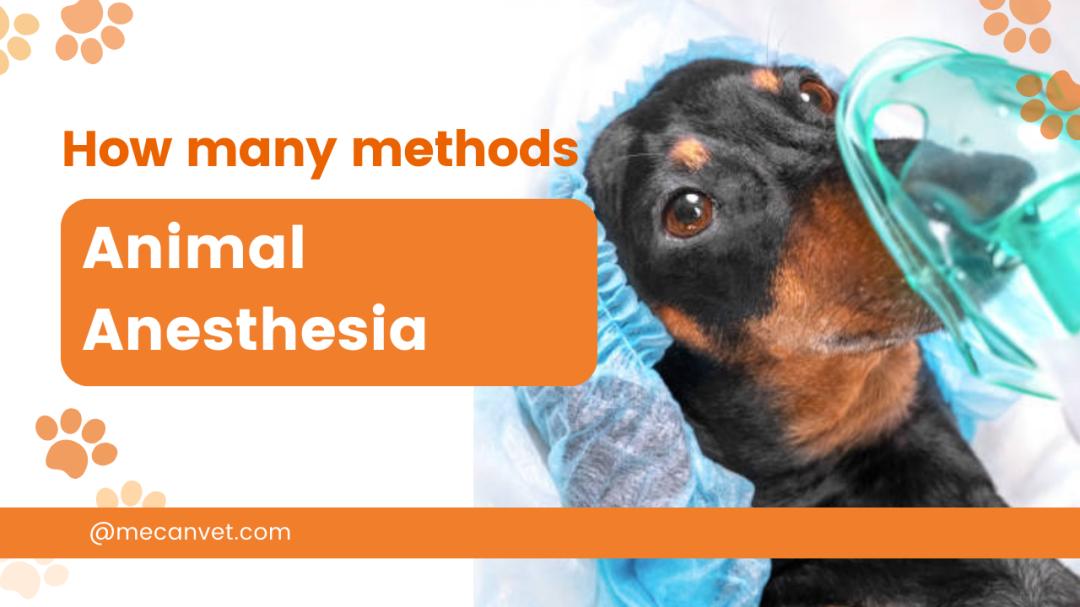 Choosing a safe and effective anesthetic method is very important when performing various surgeries on animals in veterinary hospitals. Proper anesthesia can ensure smooth surgical procedures and minimize animals' suffering to the largest extent. Currently, the commonly used anesthetic methods for animal surgery can be divided into two main types: inhalation anesthesia and injectable anesthesia.
I. Inhalation AnesthesiaInhalation anesthesia achieves systemic or local anesthetic effects by having animals inhale volatile liquid or gaseous anesthetic agents. Since the drugs are directly inhaled through the respiratory tract, they act rapidly with quick onset. It is easy to control the depth of anesthesia, making it very suitable for general anesthesia. However, inhalation anesthesia requires specialized anesthetic machines and assisted ventilation equipment. Commonly used inhalation anesthetics clinically include isoflurane, sevoflurane, desflurane, halothane, etc. These drugs can be used alone or in combination with intravenous injection drugs to achieve general anesthesia. For different animal species, the optimal concentrations and ratios of these inhalational agents may vary. During inhalation anesthesia, animals' vital signs need to be continuously monitored to timely adjust the depth of anesthesia. Meanwhile, overdose toxic side effects should be prevented. The drugs should be discontinued promptly after surgery to allow smooth recovery of sensation in animals. II. Injectable AnesthesiaInjectable anesthesia is achieved by intravenous injection, intramuscular injection, spinal or epidural injection, local injection and other means of administration. Injectable anesthesia is flexible in application and can induce systemic or local anesthesia in a targeted manner. 1. Intravenous InjectionIntravenous injection of anesthetic drugs is one of the most commonly used methods for general anesthesia. Commonly used drugs include barbiturates, benzodiazepines, ketones, etc. Intravenous injection has a rapid onset and allows easy control of anesthetic depth. However, intravenous access is required. 2. Intramuscular InjectionInjecting anesthetic drugs into an animal's muscle mass can produce longer-lasting sedative effects due to slower absorption. Drugs like ketamine are often used. It is suitable for surgeries with lower requirements on depth of anesthesia. 3. Spinal or Epidural Injection Injecting local anesthetics into the epidural space surrounding the spinal cord or around the spinal cord through a catheter can anesthetize the spinal cord segments and dermatomes supplied below the injection site. This regional blockade is commonly used. 4. Local Injection Directly injecting a small amount of local anesthetic such as lidocaine into the local tissues of the surgical site can rapidly block sensation in that region for superficial procedures. III. Choosing Appropriate Anesthetic MethodsWhen selecting anesthetic methods for animals, factors like surgical sites, animal size and species, surgery difficulty should be considered to choose the safest and most effective approaches. The advantages of inhalation and various injectable anesthetics should be utilized rationally to formulate optimal anesthetic plans. Meanwhile, vital signs should be closely monitored throughout surgery to prevent and manage potential anesthetic complications. |
Why Is My Dog Panting? Analyzing the 5 Top Causes and Prevention Tips
The Necessity of Health Examinations for Pet
Related Article


