
A Deep Dive into Veterinary Endoscopy
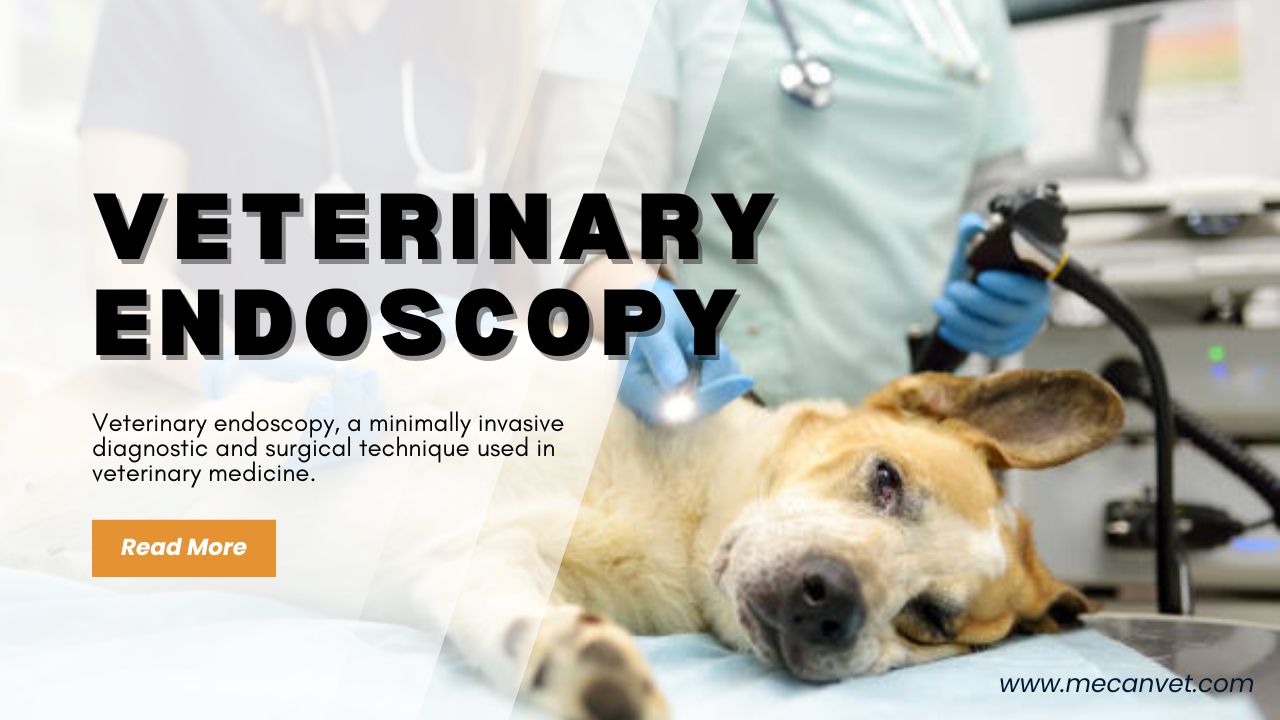
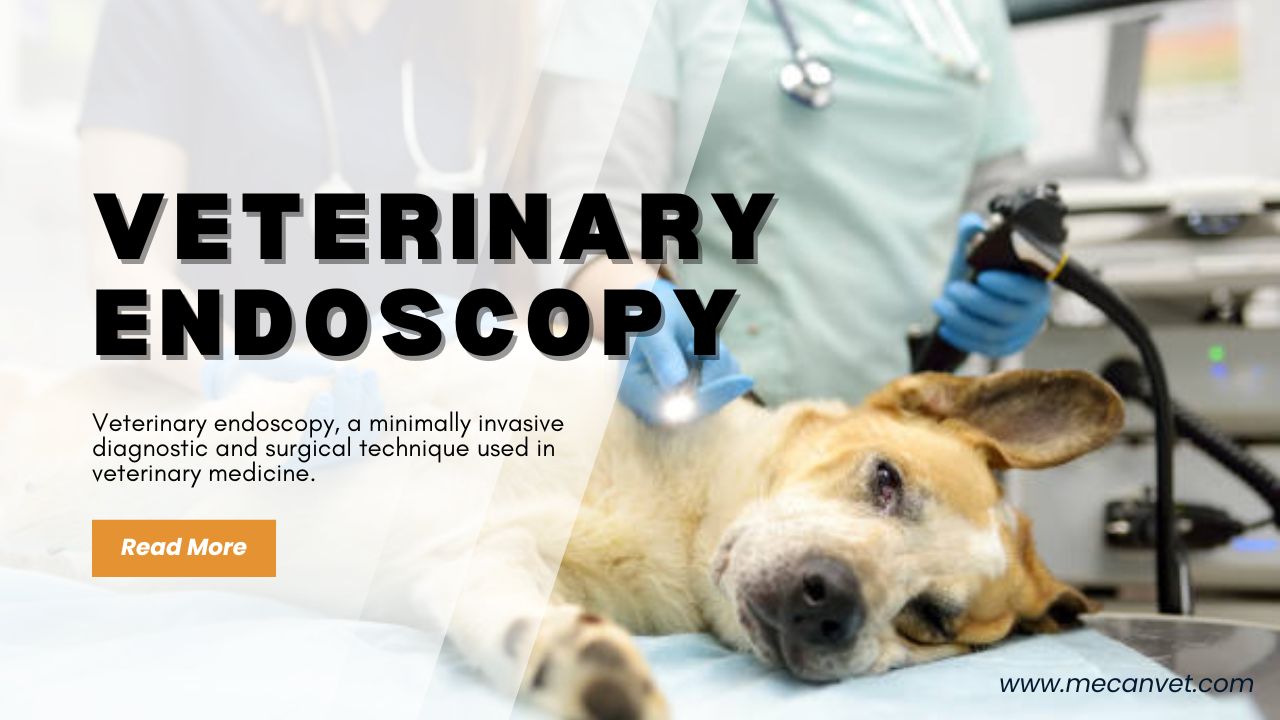 I. Introduction In the intricate realm of veterinary medicine, diagnostic imaging plays a pivotal role in unraveling the mysteries of our animal companions' health. Among the array of diagnostic tools at the disposal of veterinarians, veterinary endoscopy emerges as a beacon of illumination, offering a window into the inner workings of the body with remarkable precision and insight. This article embarks on a journey to explore the fascinating world of veterinary endoscopy, shedding light on its principles, procedures, applications, and future prospects. II. Understanding Veterinary Endoscopy Veterinary endoscopy encompasses a diverse array of procedures aimed at visualizing and evaluating the internal structures of animals using specialized instruments called endoscopes. These instruments come in various forms, including rigid, flexible, and video endoscopes, each tailored to specific diagnostic and therapeutic needs. The basic principle underlying veterinary endoscopy involves the insertion of an endoscope into the body cavity or organ system of interest, allowing for direct visualization, illumination, and magnification of the internal structures. This non-invasive approach has revolutionized veterinary diagnostics, enabling veterinarians to diagnose and treat a wide range of conditions with unparalleled precision and efficacy. III. Types of Veterinary Endoscopy Procedures A. Gastrointestinal Endoscopy: Gastrointestinal endoscopy is a cornerstone of veterinary medicine, facilitating the diagnosis and treatment of a myriad of gastrointestinal disorders. From detecting and removing foreign bodies lodged in the digestive tract to pinpointing the source of gastrointestinal bleeding, gastrointestinal endoscopy offers invaluable insights into the health of the digestive system. B. Respiratory Endoscopy: Respiratory endoscopy provides a comprehensive evaluation of the upper and lower respiratory tract, enabling veterinarians to diagnose and manage respiratory conditions ranging from tracheal collapse to bronchitis. By visualizing the airways directly, respiratory endoscopy offers unparalleled diagnostic accuracy and therapeutic precision in the management of respiratory diseases. C. Urological Endoscopy: Urological endoscopy plays a vital role in the assessment and treatment of urinary tract disorders, including urethral obstruction, bladder stones, and urinary tract infections. With urological endoscopy, veterinarians can visualize the urinary tract directly, allowing for targeted interventions and minimally invasive treatments to alleviate urinary tract obstructions and restore urinary function. D. Arthroscopy: Arthroscopy is a specialized form of endoscopy used to evaluate and treat joint disorders in animals. By inserting an arthroscope into the joint space, veterinarians can visualize the joint structures directly, diagnose conditions such as ligament injuries and osteoarthritis, and perform minimally invasive procedures to alleviate pain and restore joint function. IV. Advantages of Veterinary Endoscopy Veterinary endoscopy offers a multitude of advantages over traditional diagnostic and therapeutic approaches, making it an indispensable tool in modern veterinary practice. Firstly, endoscopic procedures are minimally invasive, resulting in smaller incisions, reduced tissue trauma, and faster recovery times for patients. Additionally, endoscopy provides precise visualization and targeted treatment of internal structures, leading to improved diagnostic accuracy and treatment outcomes. Moreover, endoscopic procedures entail fewer complications and lower morbidity rates compared to open surgeries, making them safer options for patients with underlying health conditions. V. Considerations for Veterinary Endoscopy Procedures While veterinary endoscopy offers numerous benefits, it is crucial to carefully consider several factors before performing endoscopic procedures on veterinary patients. These considerations include: A. Pre-operative Evaluations: Prior to performing endoscopic procedures, thorough pre-operative evaluations of the patient's medical history, physical condition, and diagnostic imaging findings are essential. This evaluation helps identify any underlying health conditions, anatomical abnormalities, or contraindications that may affect the safety or success of the procedure. B. Anesthesia Management: Anesthesia management is a critical aspect of veterinary endoscopy, as it ensures patient comfort, immobility, and safety during the procedure. Veterinary anesthesiologists or experienced anesthesia providers should assess the patient's anesthesia risk and tailor an appropriate anesthetic protocol based on factors such as age, breed, health status, and procedure duration. C. Surgical Planning: Proper surgical planning is essential for the success of endoscopic procedures, including selection of the appropriate endoscope type and size, positioning of the patient, and determination of the entry and exit points for endoscope insertion. Veterinary surgeons should meticulously plan each step of the procedure to minimize complications and optimize patient outcomes. D. Training and Expertise: Performing veterinary endoscopic procedures requires specialized training, expertise, and technical skills. Veterinary practitioners should undergo comprehensive training and hands-on experience in endoscopy techniques, instrument handling, and complication management to ensure the safety and success of procedures. Continuing education and proficiency assessments are essential for maintaining competency in endoscopic practice. E. Equipment Maintenance and Sterilization: Proper maintenance and sterilization of endoscopic equipment are paramount to prevent contamination, infection, and equipment malfunction during procedures. Veterinary clinics should adhere to strict equipment maintenance protocols, including regular inspections, cleaning, disinfection, and sterilization procedures, as recommended by equipment manufacturers and regulatory guidelines. F. Risks and Complications: Despite its many benefits, veterinary endoscopy carries inherent risks and potential complications that must be carefully considered. Common risks associated with endoscopic procedures include perforation of tissues or organs, bleeding, infection, and adverse reactions to anesthesia or sedation. Veterinary practitioners should be prepared to promptly recognize and manage complications that may arise during endoscopic procedures, ensuring the safety and well-being of the patient at all times. G. Client Communication and Informed Consent: Effective communication with pet owners is essential to ensure their understanding of the risks, benefits, and potential outcomes of endoscopic procedures. Veterinary practitioners should provide pet owners with detailed information about the procedure, including its purpose, risks, anesthesia protocols, post-operative care requirements, and expected recovery times. Obtaining informed consent from pet owners before proceeding with endoscopic procedures is crucial to ensure ethical and legal compliance and promote transparency in veterinary care. By carefully considering these factors and implementing appropriate precautions and protocols, veterinary practitioners can ensure the safe and effective use of endoscopy in diagnosing and treating a wide range of veterinary conditions, ultimately improving patient outcomes and enhancing the quality of care provided to our beloved animal companions. VI. Here are the situations in which endoscopic examination might be necessary: Unexplained Digestive Symptoms: When pets experience unexplained symptoms such as vomiting, diarrhea, loss of appetite, or weight loss, endoscopic examination can help identify the cause, diagnose digestive tract diseases such as infections, ulcers, tumors, etc. Intestinal Foreign Bodies or Obstruction: If pets ingest foreign objects or suffer from intestinal obstruction, endoscopic examination can directly observe the inside of the intestines, locate the foreign bodies or obstruction, and guide surgical procedures or treatment. Chronic Respiratory Symptoms: For pets with chronic coughing, wheezing, or difficulty breathing, respiratory endoscopy can diagnose respiratory diseases such as bronchitis, tracheal collapse, foreign body obstruction, etc. Urinary Tract Diseases: When pets experience symptoms such as frequent urination, difficulty urinating, blood in urine, or urinary incontinence, urinary endoscopic examination can detect urinary tract lesions such as urethral, bladder, and urinary tract stones, tumors, etc. Joint Diseases: For pets with joint swelling, stiffness, or pain, joint endoscopy can diagnose joint diseases such as arthritis, cartilage injuries, etc., and guide appropriate treatment plans. Urinary System Symptoms: When pets experience symptoms such as frequent urination, painful urination, or blood in the urine, urinary endoscopic examination can assess the health of the urethra, bladder, and urinary tract, and diagnose urinary system diseases. Oral and Nasal Diseases: When pets experience symptoms such as bad breath, excessive drooling, nosebleeds, or difficulty breathing, oral and nasal endoscopic examination can examine the mouth, throat, nasal cavity, and sinuses, diagnose oral and nasal diseases such as oral inflammation, sinusitis, tumors, etc. Diagnosis of Difficult Cases: For some difficult cases, traditional examination methods may not be able to determine the cause or diagnose the disease. In such cases, endoscopic examination can provide direct, high-resolution images to help doctors diagnose and treat difficult cases. In these situations, endoscopic examination can provide accurate diagnosis and localization for pets, guide appropriate treatment plans, improve treatment outcomes, and reduce unnecessary guesswork and interventions, ensuring the health and happiness of pets. VII.Post-endoscopy considerations: Monitoring: After endoscopic procedures, it's essential to closely monitor the pet's vital signs, such as heart rate, respiratory rate, temperature, and level of consciousness, to ensure they are stable and recovering well from anesthesia. Recovery Area: Place the pet in a quiet, warm, and comfortable recovery area to minimize stress and promote relaxation. Provide soft bedding and access to water once the pet has fully recovered from anesthesia. Post-operative Care: Follow the veterinarian's instructions regarding post-operative care, including any prescribed medications, dietary restrictions, or activity limitations. Administer medications as directed and monitor for any signs of complications, such as bleeding, swelling, or infection. Dietary Considerations: Depending on the nature of the endoscopic procedure, the veterinarian may recommend a specific diet or feeding schedule for the pet during the recovery period. Follow these dietary recommendations closely to support the healing process and prevent gastrointestinal upset. Activity Restrictions: To prevent injury or complications, restrict the pet's activity level as advised by the veterinarian. Avoid strenuous exercise, jumping, or rough play for the duration of the recovery period to allow the body to heal properly. Follow-up Appointments: Schedule follow-up appointments with the veterinarian as recommended to monitor the pet's progress and ensure that they are healing properly. During these appointments, the veterinarian may perform additional examinations or tests to assess the outcome of the endoscopic procedure and adjust the treatment plan if necessary. Hygiene and Wound Care: Keep the incision site clean and dry to prevent infection. Follow any specific wound care instructions provided by the veterinarian, such as applying topical medications or changing dressings, to promote healing and reduce the risk of complications. Behavioral Changes: Monitor the pet's behavior and appetite closely following the endoscopic procedure. Contact the veterinarian if you notice any significant changes in behavior, such as lethargy, decreased appetite, vomiting, or diarrhea, as these may indicate potential complications requiring medical attention. |
Pet Grooming Essentials
Veterinary PCR Testing
Related Article


