
5 Must-Have Diagnostic Tools for New Vet Clinics: Essential Guide for Wholesale Buyers
Setting up a veterinary clinic in emerging markets like Southeast Asia and Africa isn’t easy. You face constant pressures like limited startup capital, complicated import logistics, and unreliable equipment quality.
All these challenges make every purchase decision important. The wrong equipment will slow down diagnosis, affect outcomes, and damage client trust early. First impressions are very important.
When a pet owner walks into your clinic, your diagnostic capability defines your credibility. Fast, accurate diagnosis is not optional but your competitive advantage. That’s why every new clinic must focus on getting essential, high-impact diagnostic tools from day one.
Tool 1: High-Performance Veterinary Stethoscopes
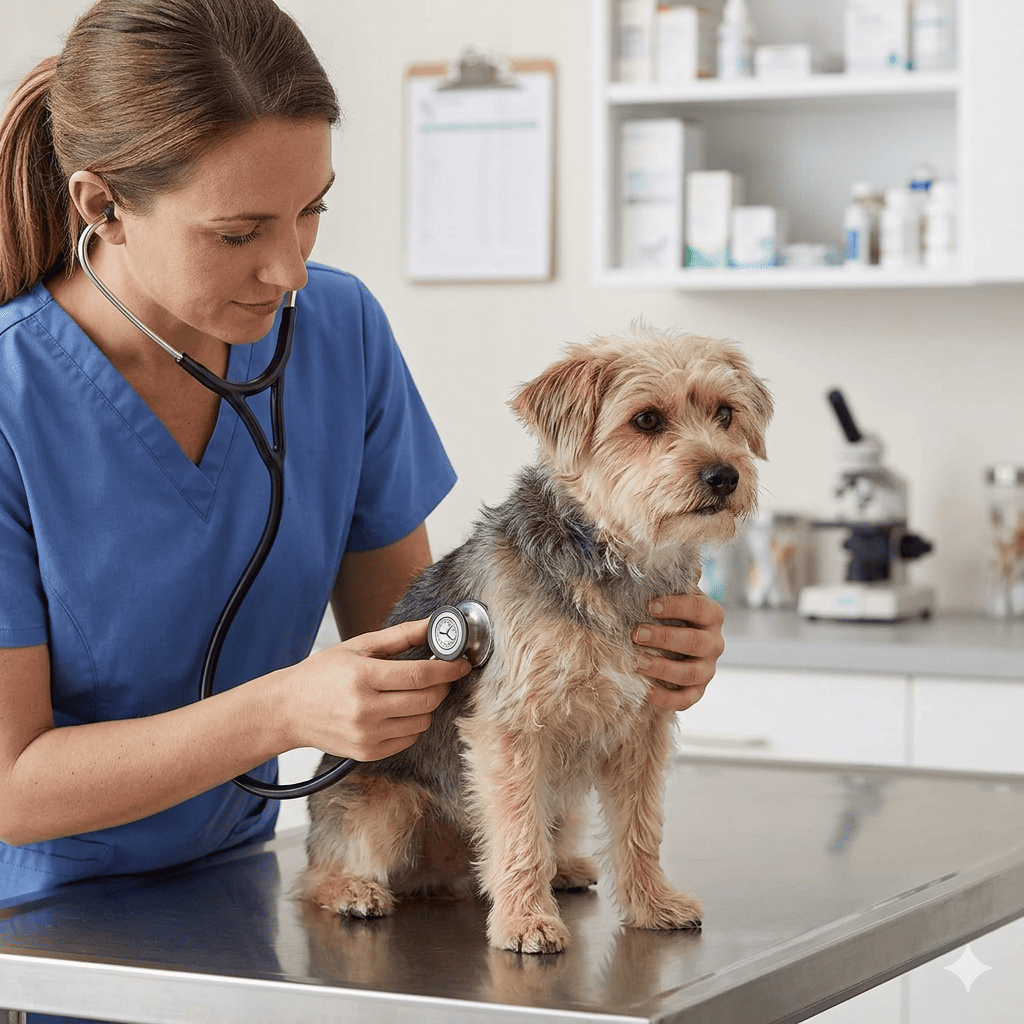 Let’s start with the most recognizable symbol in veterinary care, which is the stethoscope. This is the most important veterinary equipment and supplies in any clinic. It’s your first line of assessment for nearly every patient.
The stethoscope matters because:
- It is used in 100% of physical exams.
- It detects heart murmurs, lung issues, and abnormal rhythms.
- It requires high acoustic sensitivity for accuracy.
A standard human stethoscope isn’t suitable for animals, as they present unique challenges. Some animals have thick fur which reduces sound clarity, fast or irregular heart rates, and different sizes, from cats and dogs to livestock.
That means you need a stethoscope with dual-head chest pieces, stronger acoustic amplification, and durable tubing for field conditions. Even basic exams rely on the stethoscope. Without it, you’re going in blind.
But veterinary stethoscopes only give partial insight, and you still need modern monitoring.
Tool 2: Veterinary Patient Monitors

The patient monitor is another must-have diagnostic tool for veterinary care, and works well with the stethoscope. This is a very important investment because a multi-parameter patient monitor provides continuous, real-time data during procedures.
This includes:
- SpO₂ (oxygen saturation)
- ECG (heart activity)
- NIBP (non-invasive blood pressure)
- Temperature
All these metrics are important for safe anesthesia and surgery. Veterinary monitors track all these vital signs continuously and alert staff to sudden changes, allowing for rapid intervention during critical moments.
This real-time visibility will reduce surgical risk, improve survival rates, and support better clinical decisions. Modern systems are designed specifically for animals, not adapted from human devices. This ensures you can accurately read all kinds of species.
For a new clinic, having quality veterinary patient monitors will build immediate client trust, support advanced procedures, and position your clinic as modern and capable. In today’s market, patient monitors are no longer optional. They are highly important in modern veterinary diagnostic equipment.
Tool 3: Digital Thermometers & Blood Pressure Kits
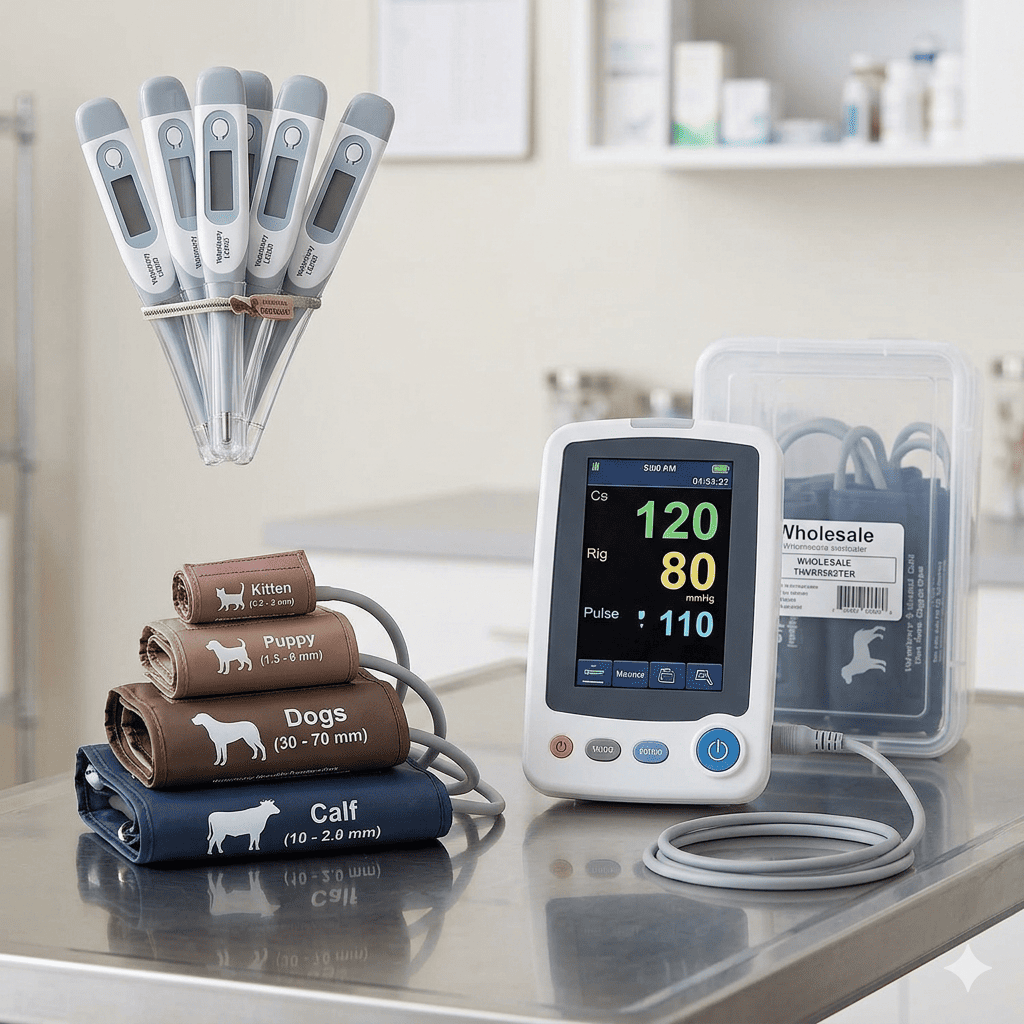 Not every diagnostic tool needs to be expensive, but they need to be reliable. Digital thermometers and blood pressure kits are high-volume, everyday diagnostic tools that a vet can’t do without.
They are used in almost every consultation and provide quick, non-invasive measurements, and support early detection of illness. Digital thermometers, for instance, deliver fast and accurate readings, and are now standards in clinics due to their precision and durability.
Every clinic should have multiple units of:
- Digital thermometers
- Blood pressure cuffs of various sizes
- Doppler or oscillometric BP devices
These fall under high-turnover vet clinic supplies. Instead of buying individually, smart clinics will source in bulk, bundle with other diagnostic purchases, and work with wholesale veterinary medical devices suppliers. This reduces cost and ensures consistency across your clinic.
Tool 4: Veterinary Hematology Analyzers

Once you move beyond physical exams, laboratory diagnostics are even more important. One of these tools is the hematology analyzer which allows vets to run in-house blood tests or CBC. This is a game-changer for new vet clinics because it provides results within minutes, eliminates dependency on external labs, and allows for faster treatment decisions.
Modern veterinary practice relies a lot on in-clinic diagnostics to improve speed and accuracy of care. At the same time, these hematology analyzers offer a business advantage. They generate recurring revenue, improve treatment acceptance rates, and increase patient retention.
But a vet needs to consider calibrating the analyzer based on specific species, sample volume requirements, and maintenance and reagent supply. For new clinics, this is the first step into advanced diagnostics.
Tool 5: Portable Ultrasound / X-Ray Systems

Using portable imaging systems offer different advantages like real-time internal imaging, faster diagnosis of injuries and diseases, and reduced need for referrals. Portable multi-meter monitoring and imaging systems are now in demand because they support continuous care across different clinical settings.
This equipment also presents a strategic value. It differentiates your clinic from competitors, attracts higher-value cases, and builds long-term reputation.
When purchasing heavy equipment like ultrasound and X-ray, remember to source it from a one-stop veterinary equipment supplier to ensure compatibility, easier installation, and better after-sales support.
The Wholesale Buying Guide: Why One-Stop Veterinary Equipment Supplier Matters
For buyers in emerging markets, procurement is usually harder than the clinical work in the first place. They face different challenges when working with multiple vendors, as this leads to communication delays. It also causes inconsistent product quality and they face complicated shipping and customs processing.
One-stop sourcing is the best option for new vet clinics because:
- Procurement efficiency: Working with a single supplier means there’s faster decision-making. The veterinary clinic will also get standardized equipment compatibility.
- Package deals: Vet clinics can purchase an animal clinic startup kit from a single supplier. This offers a lower cost compared to buying the equipment one by one from multiple sources.
- Logistics and support: One-stop medical equipment suppliers have experience with international shipping, handle customs clearance better, and offer access to technical support and spare parts.
So, this approach is much better when sourcing wholesale veterinary medical devices for new clinics.
Conclusion
Building a successful vet clinic starts with diagnostics. Basic tools like veterinary stethoscopes will build your daily workflow, while mid-level tools ensure accuracy and efficiency. Then there is advanced equipment which defines your long-term growth.
Planning to open a new veterinary clinic?
2026 Guide to Sourcing Veterinary Dental & Surgical Equipment from China
Digital Radiography (DR) for Small Animals: Benefits, Case Studies & Factory-Direct Solutions
Related Article


