
3-Part vs. 5-Part Hematology Analyzers for Your Vet Lab
Veterinary clinics depend on CBC testing every day because blood analysis often reveals problems that physical examinations cannot detect early enough. Fast hematology results help veterinarians confirm infections, monitor inflammation, identify anemia, and evaluate immune response before treatment decisions move forward.
Many veterinary labs compare 3-part and 5-part hematology analyzers because analyzer performance affects far more than reporting speed alone. Diagnostic sensitivity, leukocyte differentiation, maintenance requirements, reagent costs, and daily sample volume all influence which system delivers better long-term value.
What 3-Part and 5-Part Hematology Analyzers Actually Do
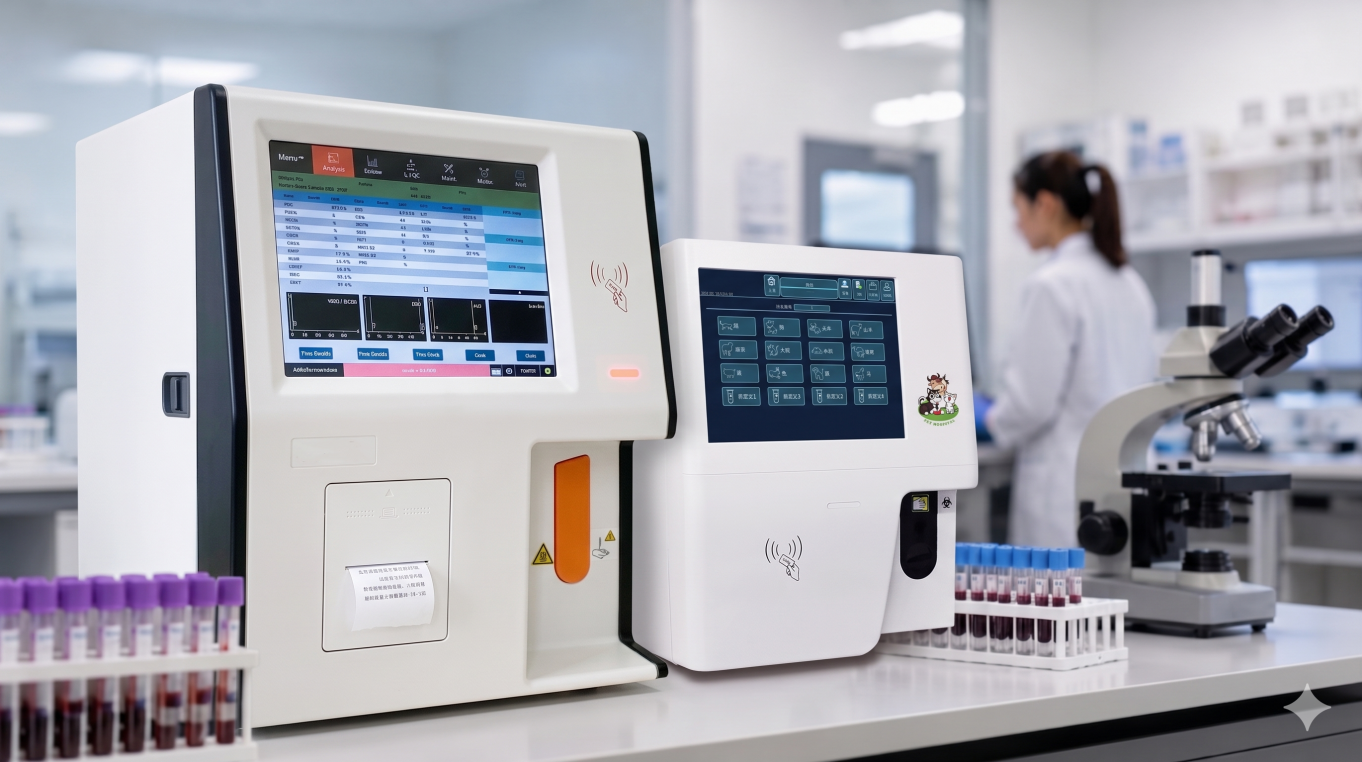
Analyzer capability affects diagnostic accuracy, reporting speed, technician workload, and the number of patients your veterinary lab can handle each day.
How Veterinary Hematology Analyzers Process Blood Samples
A veterinary hematology analyzer measures red blood cells, white blood cells, hemoglobin, hematocrit, and platelet counts within minutes after sample loading. Most systems require only 10 μL to 20 μL of blood, which makes CBC testing safer and more practical for feline patients, puppies, and smaller exotic animals.
Many 3-part hematology analyzers complete testing in under 60 seconds, while most 5-part hematology analyzers process samples in roughly 60 to 90 seconds because they analyze more leukocyte populations and additional parameters.
Automation reduces technician workload significantly in busy veterinary hospitals. Manual differential reviews can take 10 minutes or more per patient, especially during abnormal leukocyte findings.
Clinics processing 30 to 50 CBC tests daily often rely on automated veterinary analyzers to reduce reporting delays and maintain stable diagnostic consistency.
Understanding the White Blood Cell Differential
The White Blood Cell differential identifies leukocyte distribution patterns that help you detect infection, inflammation, allergic disease, immune response, and parasitic activity more accurately.
A 3-Part Differential Hematology Analyzer separates white blood cells into:
- Lymphocytes
- Monocytes
- Granulocytes
A 5-Part Differential Hematology Analyzer separates:
- Neutrophils
- Lymphocytes
- Monocytes
- Eosinophils
- Basophils
Technology Differences Between 3-Part and 5-Part Hematology Analyzers
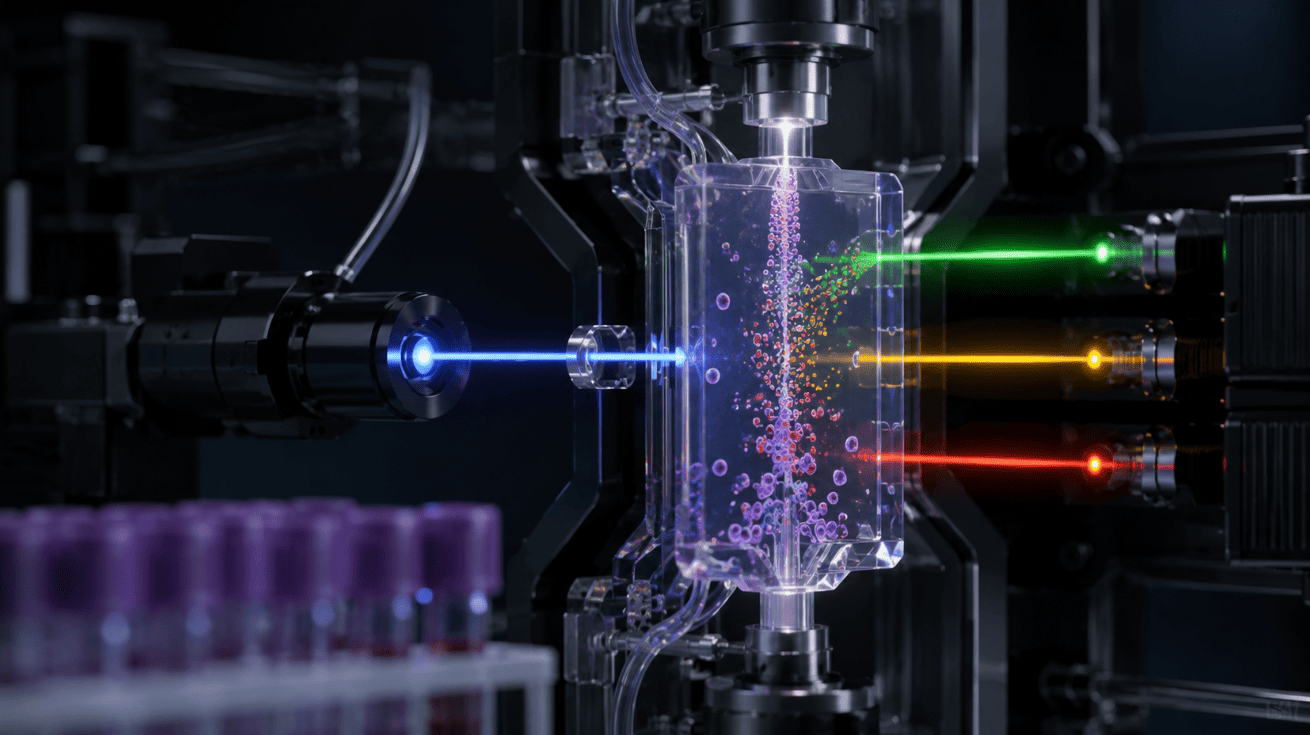
Technology plays a major role in how accurately your veterinary lab identifies blood cell abnormalities, inflammatory response, and infection patterns.
Analyzer design also affects maintenance workload, reagent costs, reporting speed, and the number of CBC samples your clinic can process every day.
How 3-Part Hematology Analyzers Use Electrical Impedance
Most 3-part veterinary hematology analyzers use electrical impedance technology, also called the Coulter principle, to count and size blood cells. Blood cells pass through a small aperture inside an electrical current, and each cell creates a measurable pulse that the analyzer converts into numerical data.
Entry-level veterinary CBC analyzers cost between $3,000 and $8,000, while reagent expenses often average $0.50 to $1.50 per test depending on sample volume and supplier pricing.
Many veterinary practices processing 10 to 30 CBC tests daily choose 3-part systems because routine wellness screening and pre-surgical bloodwork rarely require advanced leukocyte separation.
How 5-Part Hematology Analyzers Use Laser Flow Cytometry
A 5-part hematology analyzer uses laser flow cytometry and optical fluorescence technology to identify white blood cells with much higher precision.
Instead of grouping granulocytes together, the analyzer measures cell size, internal structure, and light scatter patterns to classify leukocytes individually.
Higher precision comes with increased operating costs. Veterinary 5-part analyzers commonly range between $12,000 and $30,000, while reagent costs often fall between $2 and $4 per CBC test depending on throughput and manufacturer requirements.
|
Feature |
3-Part Hematology Analyzer |
5-Part Hematology Analyzer |
|
Technology |
Electrical impedance |
Laser flow cytometry |
|
Differential Type |
3-part WBC differential |
5-part WBC differential |
|
Diagnostic Sensitivity |
Moderate |
High |
|
Species Support |
Routine canine/feline |
Multi-species advanced support |
|
Sample Throughput |
30 to 40 tests/hour |
50 to 70 tests/hour |
|
Maintenance Complexity |
Lower |
Higher |
|
Average Cost Per Test |
$0.50 to $1.50 |
$2 to $4 |
|
Typical Clinic Type |
Small clinics |
Referral hospitals and large labs |
Clinical Accuracy and Species-Specific Testing

Clinical accuracy depends heavily on how well your hematology analyzer handles different animal species, abnormal leukocyte patterns, and low-volume blood samples.
Why Species-Specific Algorithms Matter in Veterinary Diagnostics
A veterinary CBC analyzer cannot process feline blood the same way it processes canine or equine samples because blood cell morphology changes significantly between species.
Cats frequently develop platelet clumping, which can falsely lower platelet counts on poorly calibrated analyzers, while horses produce smaller and more uniform red blood cells that affect impedance-based counting systems differently.
Modern 5-part veterinary hematology analyzers often include preloaded profiles for:
- Canine
- Feline
- Equine
- Bovine
- Caprine
In many veterinary laboratories, a manual blood smear review takes 8 to 12 minutes per abnormal sample, and clinics processing 40 CBC tests daily can lose several technician hours every week if analyzer calibration performs poorly.
Cases Where a 3-Part Analyzer Works Well
A 3-part hematology analyzer works best in smaller veterinary clinics focused on preventive care and routine diagnostics. Many community practices perform mainly:
- Vaccination screenings
- Pre-surgical CBC testing
- Routine wellness exams
- Basic infection checks
Most small clinics process roughly 10 to 20 CBC tests per day, so lower reagent costs and simpler maintenance often matter more than advanced leukocyte differentiation. Many veterinary 3-part analyzers keep operating costs around $0.50 to $1.50 per test, which helps smaller practices maintain profitable laboratory workflows.
Modern 3-part veterinary hematology analyzers also include practical automation features like one-click clog removal and automatic probe cleaning, which reduce daily maintenance workload and minimize downtime.
Smaller clinics with limited laboratory staff often benefit from these simplified maintenance systems because technicians can resolve minor analyzer issues quickly without specialized engineering support.
Cases Where a 5-Part Analyzer Becomes Necessary
A 5-part hematology analyzer becomes much more valuable once your clinic handles referral diagnostics, internal medicine cases, or emergency patients daily. Advanced leukocyte separation improves detection of:
- Parasitic infections
- Allergic disease
- Chronic inflammatory disorders
- Oncology-related abnormalities
Referral hospitals processing 50 to 100 CBC samples daily often choose 5-part systems because detailed neutrophil and eosinophil analysis supports faster diagnostic decisions and reduces repeat testing during critical cases.
Maintenance requirements and operating costs remain higher with 5-part hematology analyzers due to more advanced optical systems, additional reagents, and complex calibration procedures.
However, many modern systems use a modular design, which allows faster replacement of individual components during servicing and helps reduce laboratory downtime during high-volume diagnostic workloads.
Cost Analysis for Veterinary Clinics and Laboratories
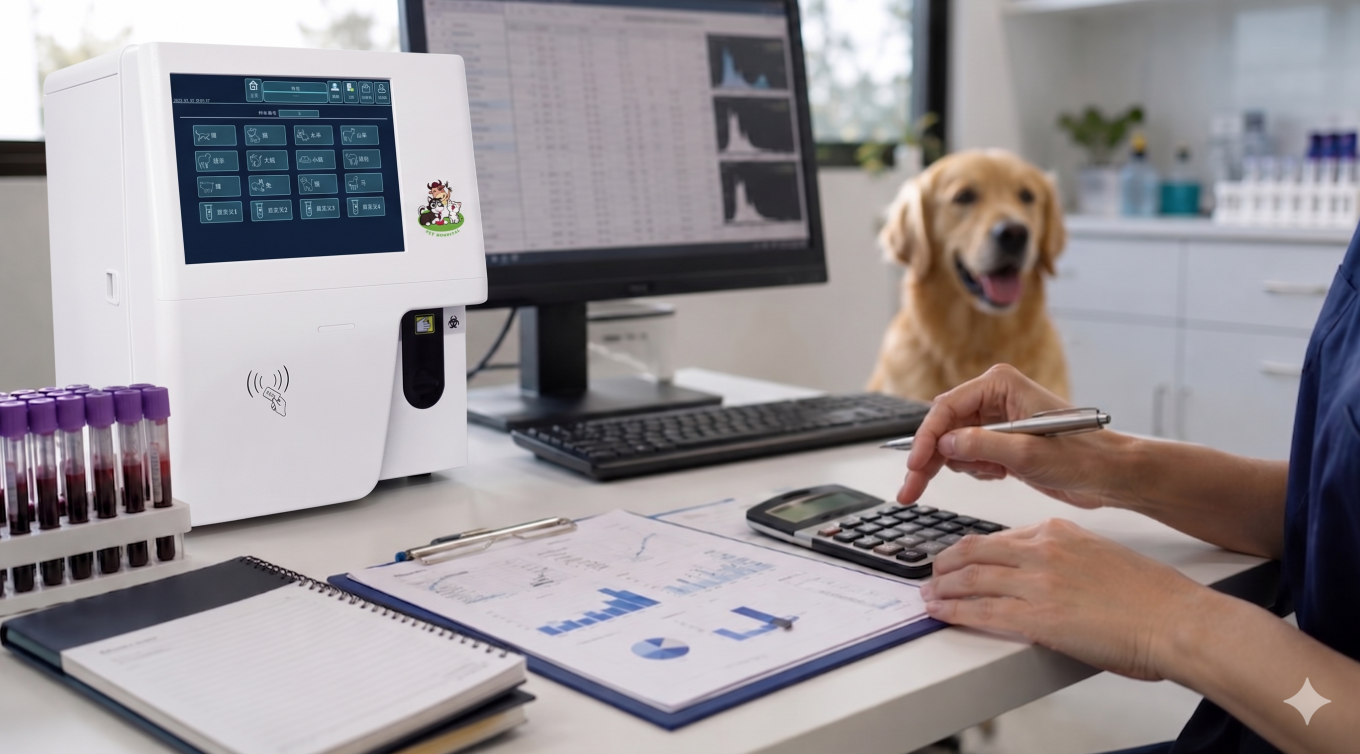
The real cost of a veterinary hematology analyzer goes far beyond the machine sitting on your laboratory bench.
You need to calculate CAPEX, OPEX, reagent availability, maintenance workload, and cost per CBC test before deciding if a 3-part or 5-part hematology analyzer makes financial sense for your clinic.
Initial Capital Expenditure (CAPEX) vs Operating Expenses (OPEX)
Initial capital expenditure covers the analyzer purchase, installation, calibration setup, and staff training.
A standard 3-part veterinary hematology analyzer usually costs between $3,000 and $8,000, while most 5-part hematology analyzers fall between $12,000 and $30,000 depending on throughput speed, touchscreen software, species support, and autoloader capacity.
Operating expenses continue every day after installation. Your veterinary laboratory budget must also cover:
- CBC reagents
- Cleaning solutions
- Calibration controls
- Quality control materials
- Probe maintenance
- Annual servicing
- Replacement tubing and valves
A clinic running only 15 CBC tests daily may spend roughly $250 to $500 monthly on consumables with a 3-part analyzer. Larger veterinary hospitals processing 80 to 120 samples per day can easily exceed $2,000 to $4,000 monthly once reagent use and service support increase.
Open vs Closed Reagent Systems and Cost Per Test
An open reagent hematology system allows you to purchase compatible reagents from multiple suppliers, which often reduces operating costs by 15% to 30%.
Many veterinary clinics across Africa and Southeast Asia prefer open systems because imported proprietary reagents can experience customs delays and unstable pricing.
A closed reagent system locks you into manufacturer-approved consumables. You usually get stronger calibration consistency and tighter quality control, but reagent pricing remains much higher over time.
Real cost-per-test numbers matter more than headline analyzer pricing:
- 3-part analyzer cost per CBC test: roughly $0.50 to $1.50
- 5-part analyzer cost per CBC test: roughly $2 to $4
Investment Advice for Small Clinics vs Large Veterinary Hospitals
A small community veterinary clinic handling wellness exams, vaccination visits, and routine surgery preparation usually gains stronger ROI with a 3-part hematology analyzer because lower reagent usage and simpler maintenance protect profit margins.
Large referral hospitals and emergency veterinary centers often benefit more from 5-part hematology analyzers because advanced leukocyte differentiation reduces repeat testing, improves diagnostic confidence, and supports faster treatment decisions during critical care cases.
Logistics Efficiency and Consolidated Sourcing
Logistics costs can heavily affect veterinary laboratory profitability, especially across Africa and Southeast Asia where imported medical consumables often face customs delays, unstable freight pricing, and limited local distributor support.
Many veterinary clinics lower operating costs by sourcing the hematology analyzer, CBC reagents, calibration controls, cleaning solutions, and maintenance kits from a single supplier. Consolidated sourcing reduces international shipping expenses, simplifies customs clearance, and prevents workflow interruptions caused by delayed reagent deliveries.
A clinic importing reagents separately multiple times per year may spend significantly more on freight and customs processing than a laboratory receiving bundled quarterly shipments through one distributor. Centralized sourcing also improves inventory consistency and reduces analyzer downtime because replacement parts and consumables remain easier to coordinate under one procurement channel.
Final Verdict
Choosing between 3-part and 5-part hematology analyzers depends on your clinic workload, diagnostic complexity, and daily CBC volume.
A smaller veterinary clinic that mainly performs wellness exams, vaccination screening, and routine surgery preparation can usually operate efficiently with a 3-part hematology analyzer because operating costs stay lower and maintenance remains simpler.
Your analyzer choice should match the real needs of your veterinary laboratory instead of focusing only on the most advanced technology available.
Ready to upgrade your clinic’s diagnostic capabilities? Contact Our Specialists Today for a customized Laboratory Solution quote and save on consolidated shipping costs.
Frequently Asked Questions
1. Is a 3-part hematology analyzer accurate enough for veterinary clinics?
Yes, a 3-part hematology analyzer provides enough diagnostic accuracy for many veterinary clinics that mainly perform routine CBC testing, wellness screening, and pre-surgical bloodwork.
2. Why do veterinary hospitals prefer 5-part hematology analyzers?
Veterinary hospitals often prefer 5-part hematology analyzers because advanced leukocyte differentiation improves detection of inflammatory disease, parasitic infections, oncology abnormalities, and emergency pathology cases.
3. What animals can veterinary hematology analyzers test?
Most veterinary hematology analyzers support canine, feline, equine, bovine, and caprine testing, while advanced systems may also support avian and exotic species.
4. Do 5-part hematology analyzers cost more to maintain?
Yes, 5-part hematology analyzers usually cost more to maintain because they require additional reagents, calibration materials, and more advanced servicing procedures.
Top Ophthalmology Devices Every Veterinary Eye Clinic Needs
2026 Guide to Sourcing Veterinary Dental & Surgical Equipment from China
Related Article


