
Veterinary Surgery Room Equipment Solution
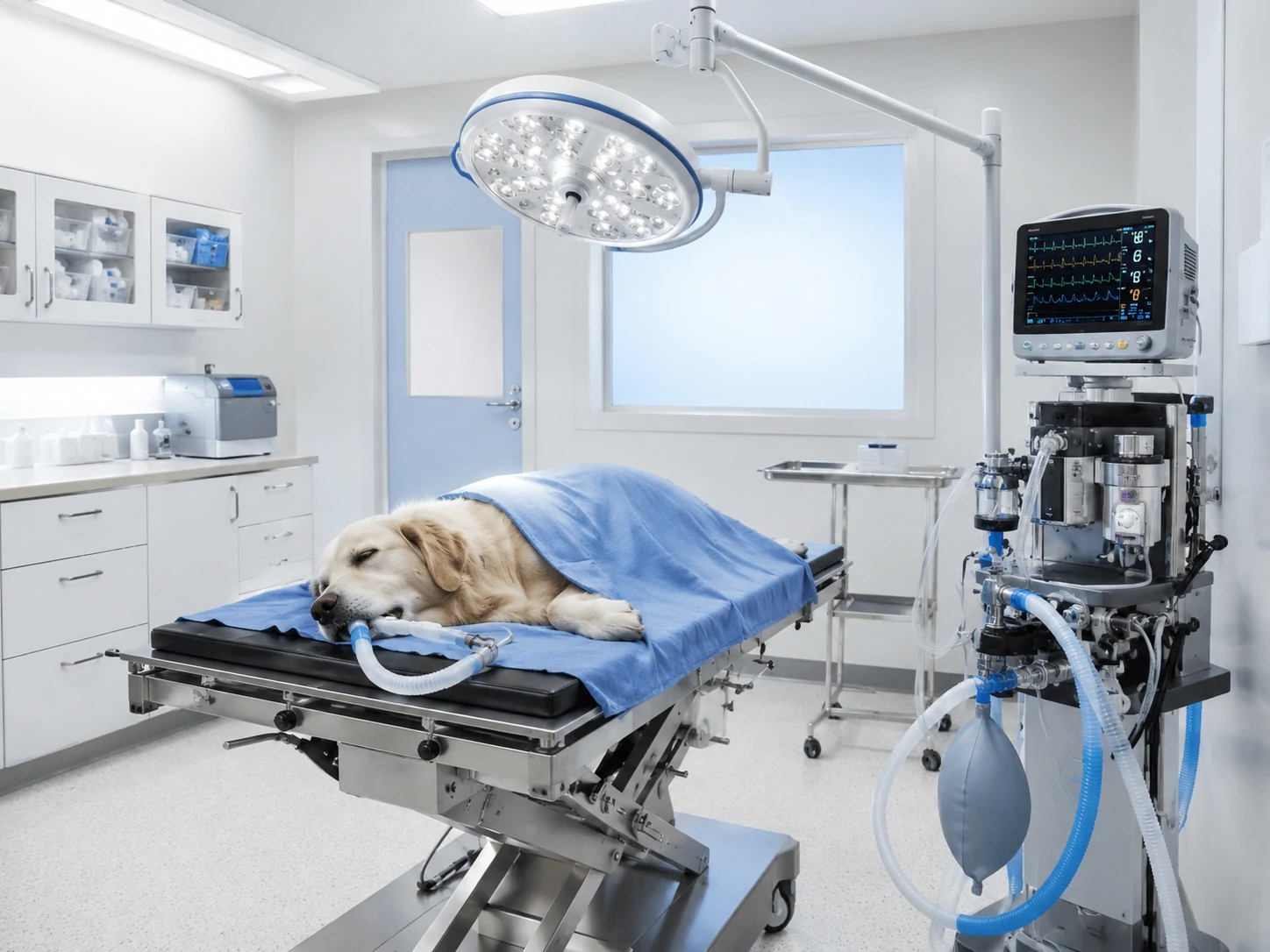
Configure veterinary surgery-room equipment around the procedures you plan to perform, the animals you treat, your surgical volume and existing room conditions.
For new surgery rooms, routine surgery expansion and anesthesia or monitoring upgrades in companion-animal clinics and hospitals.
Procedure-Based Matching
Anesthesia & Monitoring Configuration
Core & Procedure-Dependent Equipment
Is This Solution for You?
Animal movement, positioning and detector access should be considered before
the final equipment configuration is confirmed.
01
New Surgery Room
Build the core surgical, anesthesia, monitoring and instrument-processing capability for a new room.
02
Clinic Adding Routine Surgery
Add equipment for routine soft-tissue surgery, spay/neuter and similar procedures.
03
Animal Hospital Expansion
Expand procedure capability, anesthesia and monitoring support, workflow and postoperative recovery.
04
Anesthesia / Monitoring Upgrade
Review oxygen, circuits, monitor capability and existing equipment interfaces before upgrading.
05
Distributor / Project Buyer
Prepare a matched veterinary surgery-room equipment list for a customer, project or tender.
Dental, ophthalmic and image-guided procedures may require separate procedure-specific equipment and room planning.
Core Veterinary Surgery Room Equipment
Animal movement, positioning and detector access should be considered before the final equipment configuration is confirmed.
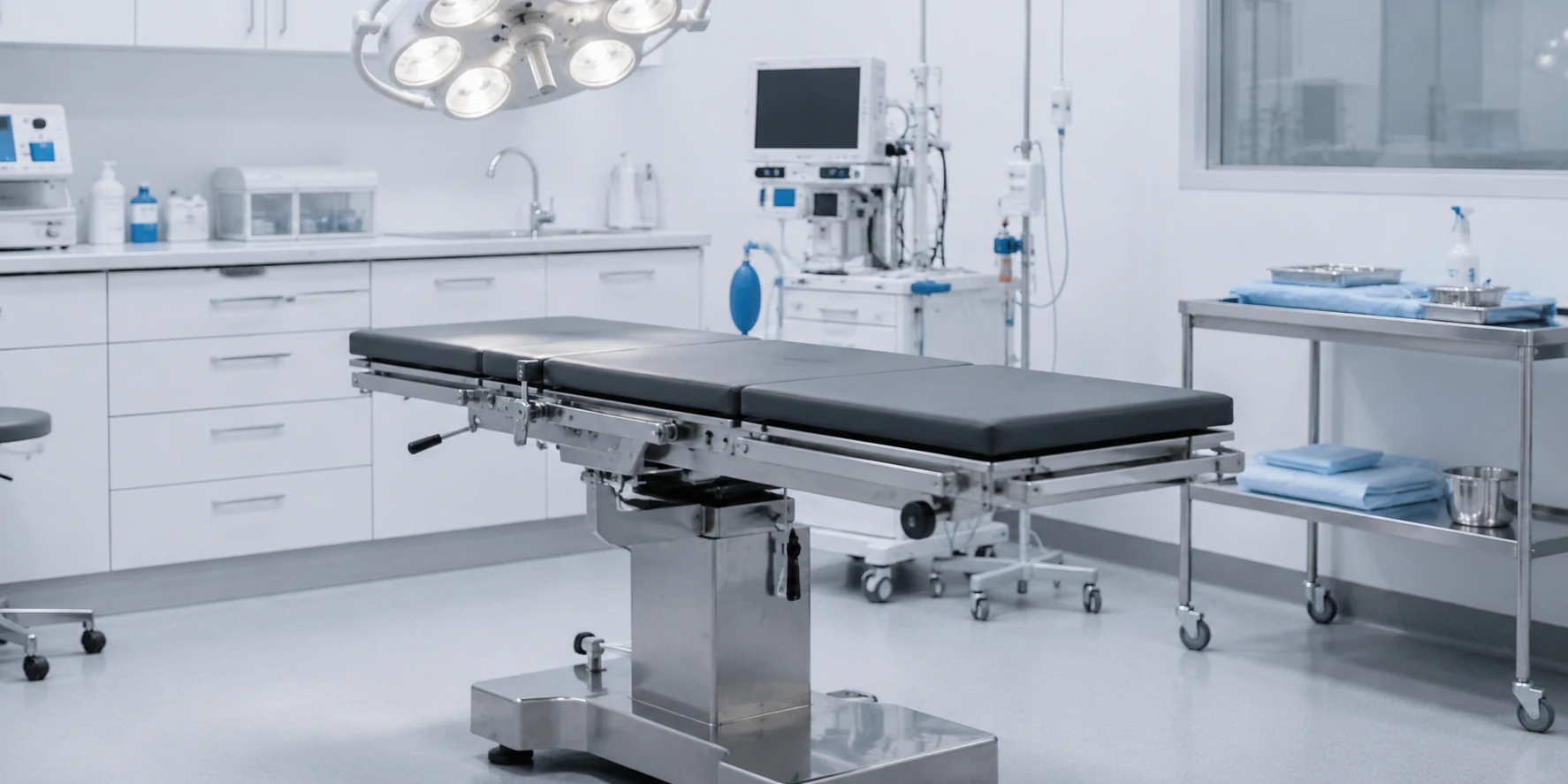
Veterinary Operating Table
Supports animal positioning and surgical access.
Select by: Animal size · Procedure · Positioning · Room space
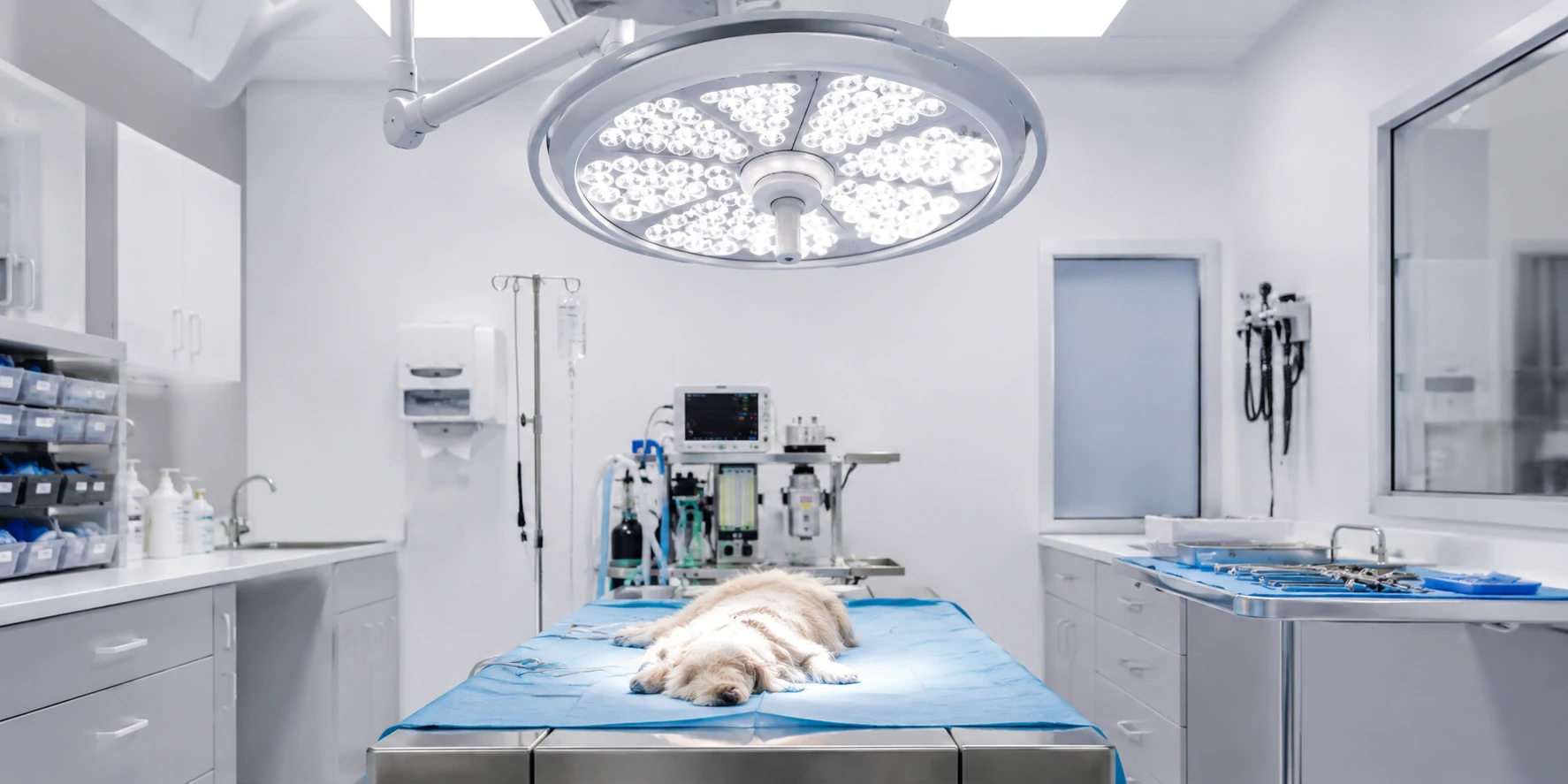
Surgical Light
Provides stable illumination with flexible positioning around the table.
Select by: Procedure · Room · Installation type
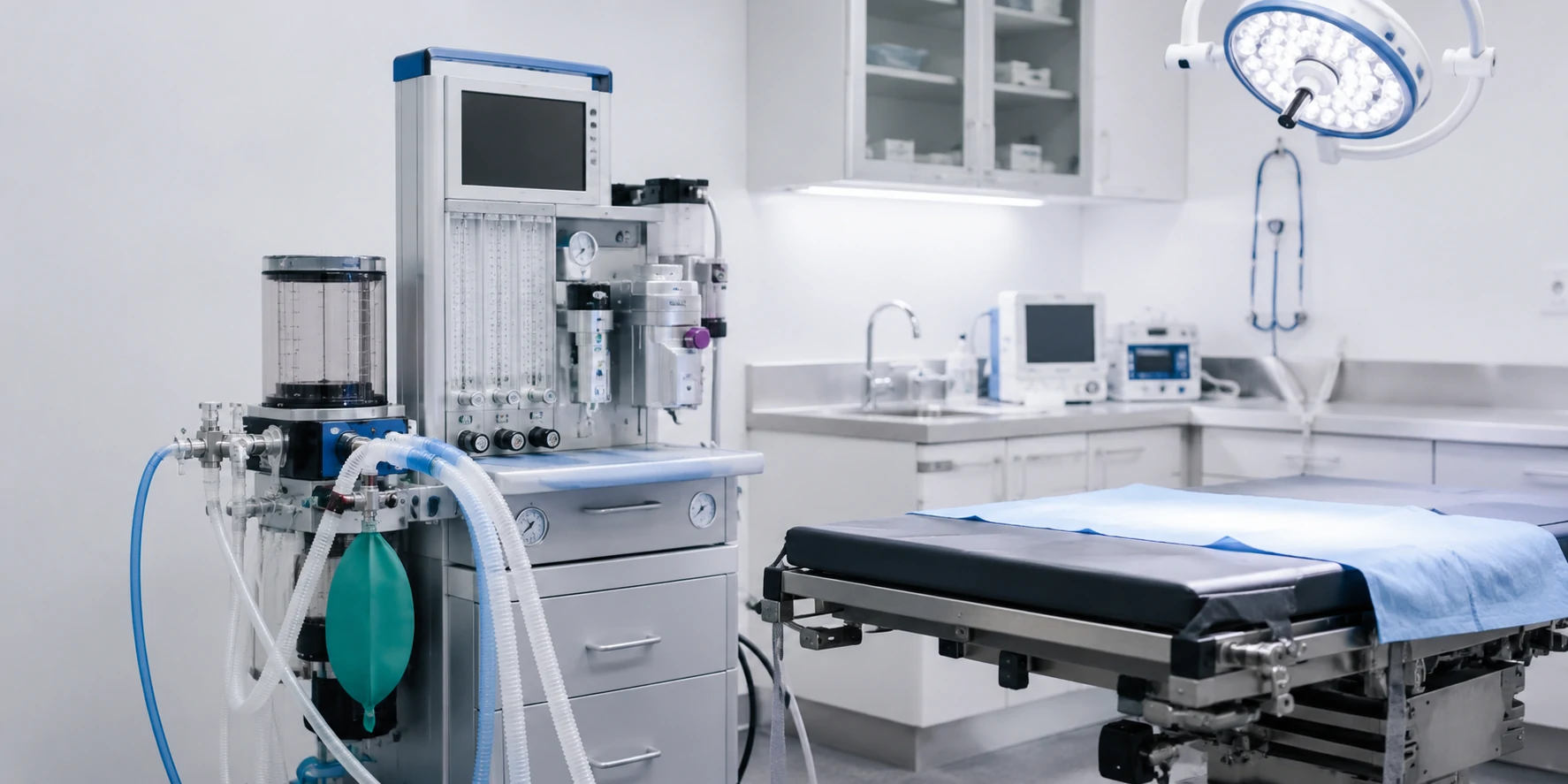
Veterinary Anesthesia Equipment
Supports inhalation anesthesia and airway management.
Select by: Weight · Oxygen source · Circuits · Procedure
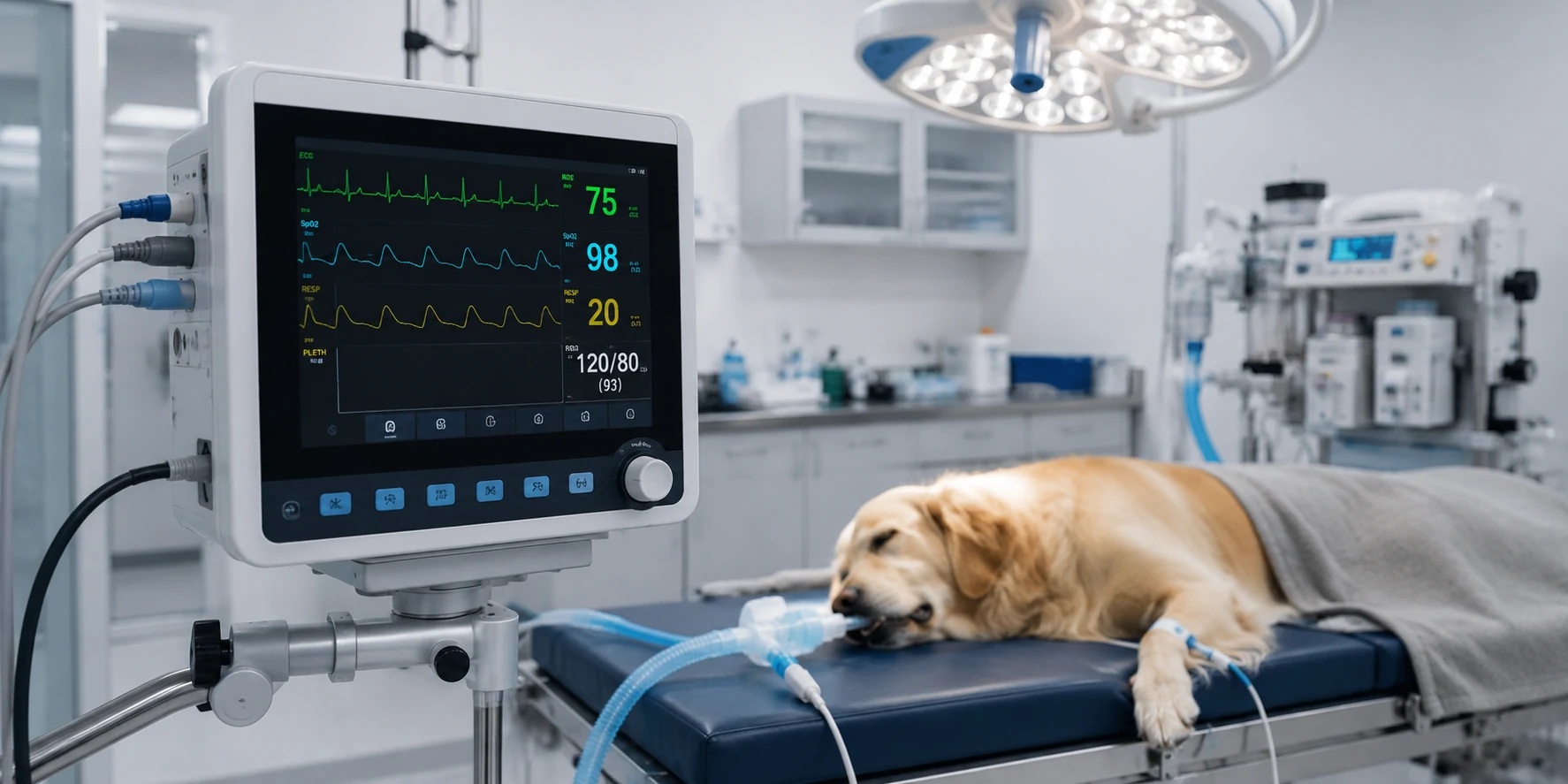
Veterinary Patient Monitor
Supports observation of relevant physiological parameters during anesthesia and surgery.
Select by: Parameters · Animal size · Veterinary probes/cuffs
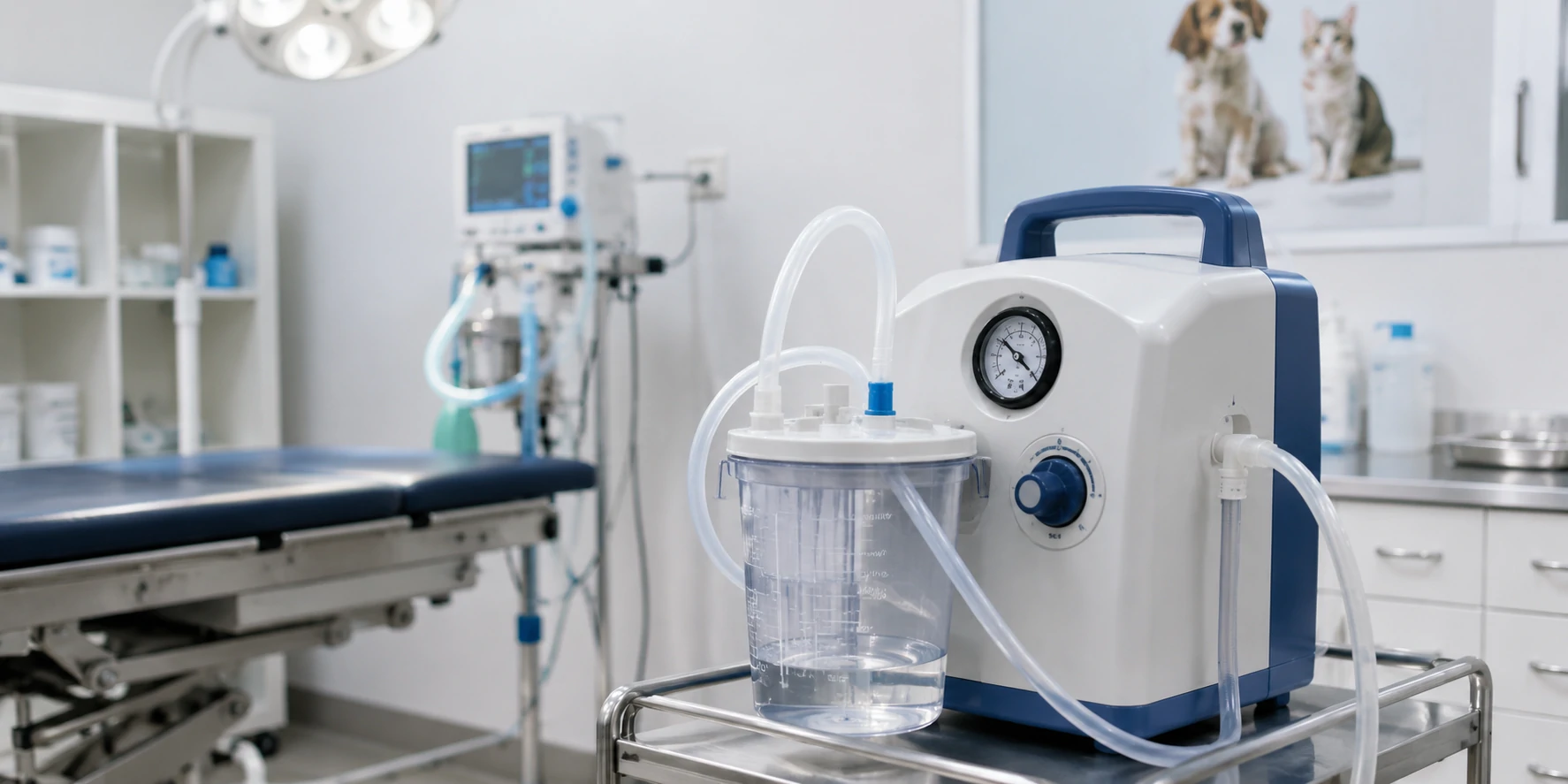
Surgical Suction
Supports removal of fluids or secretions where required by the planned procedure.
Select by: Application · Workflow · Procedure
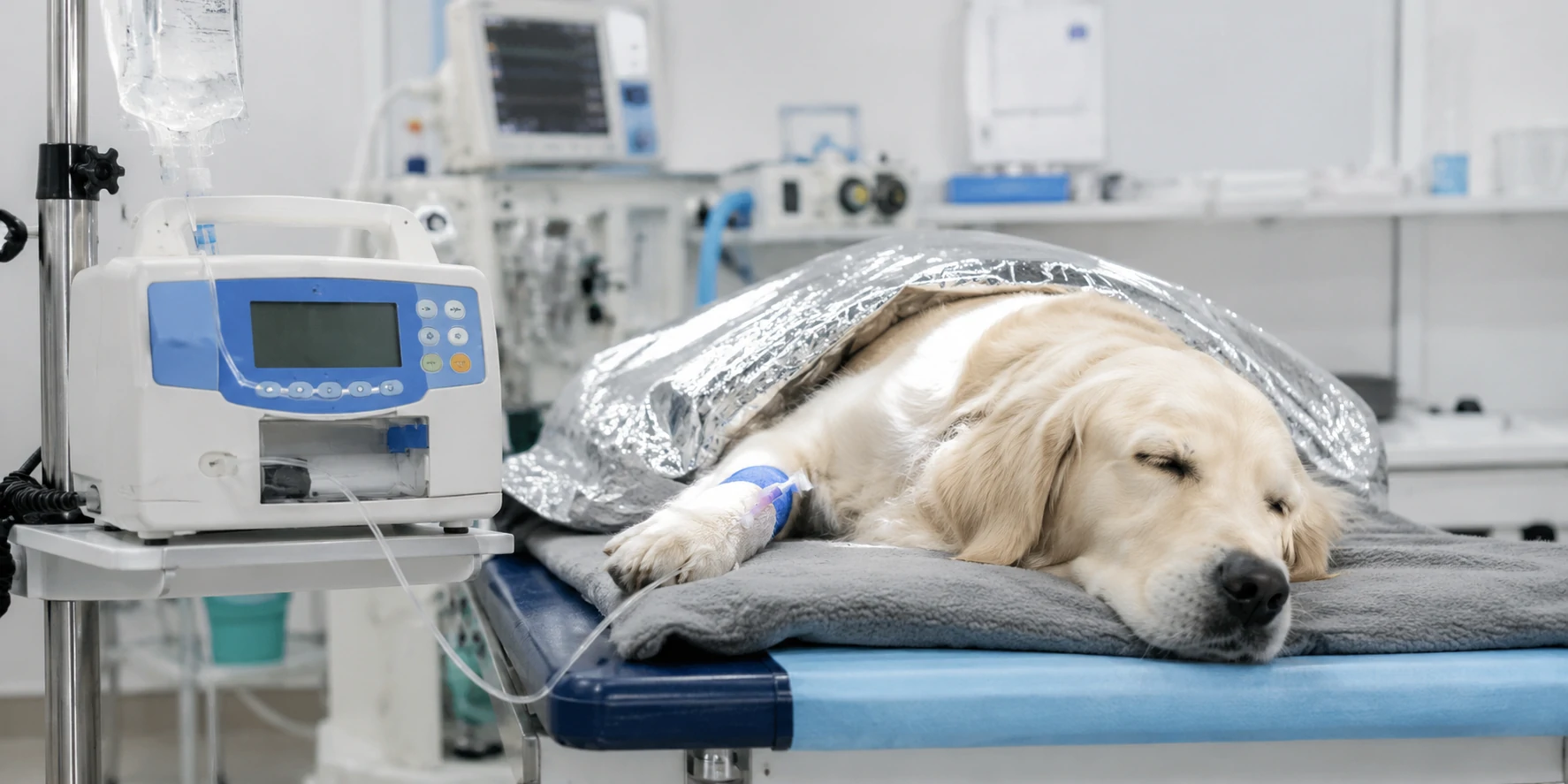
Infusion & Warming
Supports fluid, medication and temperature-management requirements during perioperative care.
Select by: Patient · Procedure · Anesthesia workflow
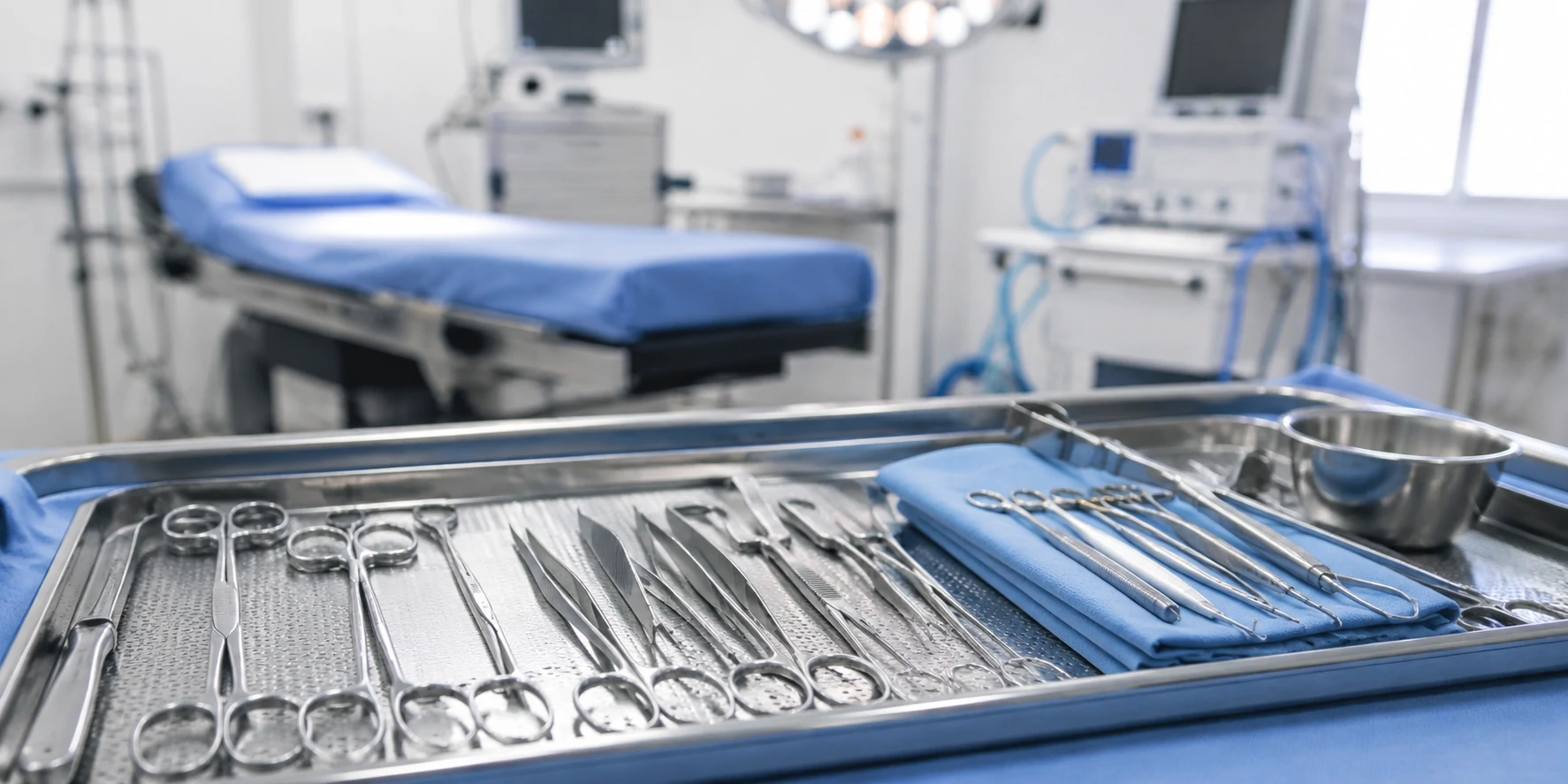
Surgical Instruments
Instrument sets should match the procedures the facility intends to perform.
Select by: Soft tissue · Spay/neuter · Specialty procedures
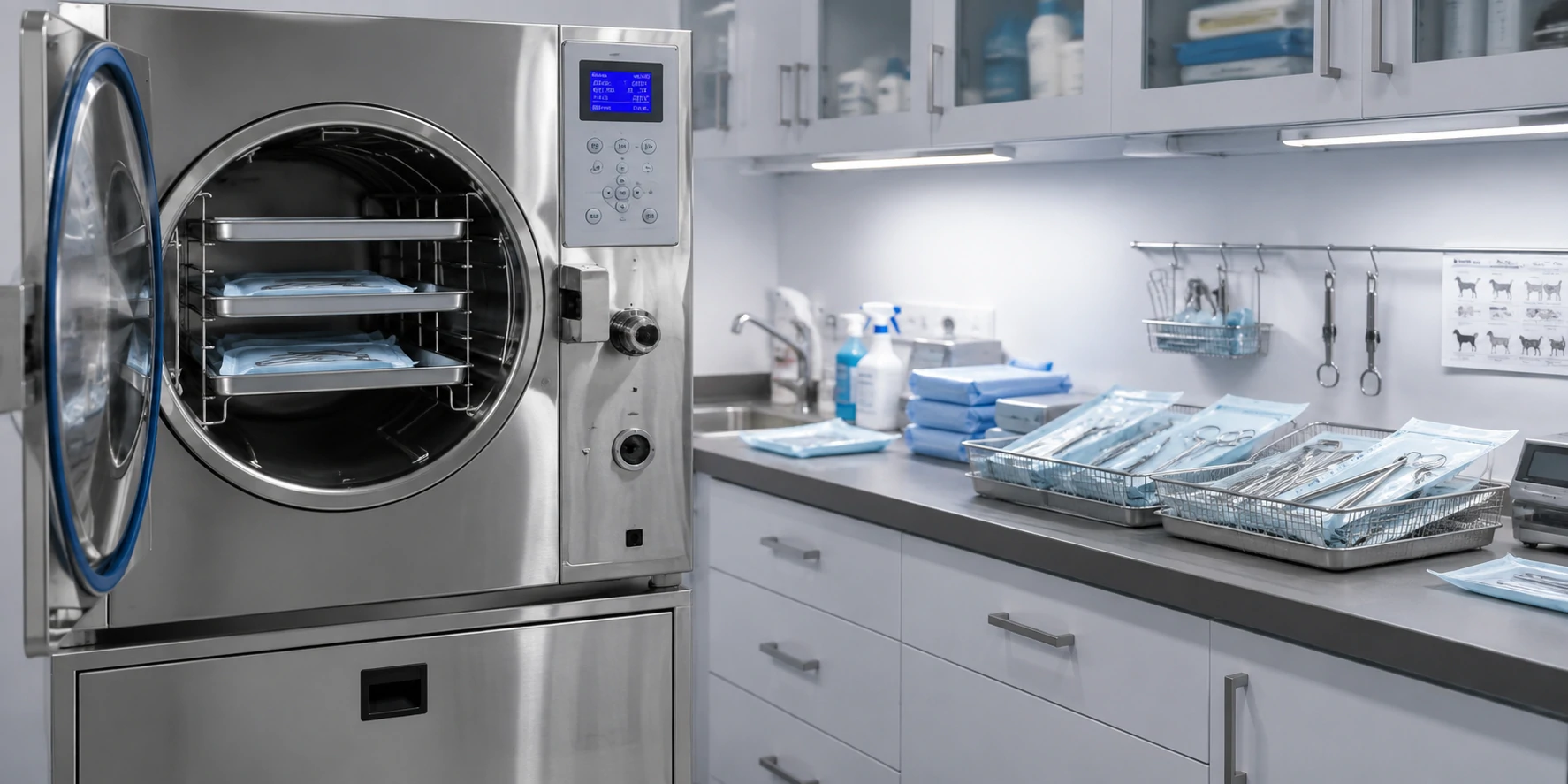
Instrument Processing & Sterilization
Supports cleaning, preparation, packaging and sterilization of reusable instruments.
Select by: Instrument type · Volume · Processing area
Veterinary Anesthesia & Oxygen Configuration
Anesthesia equipment should be configured as a connected system rather than selected as a standalone machine.
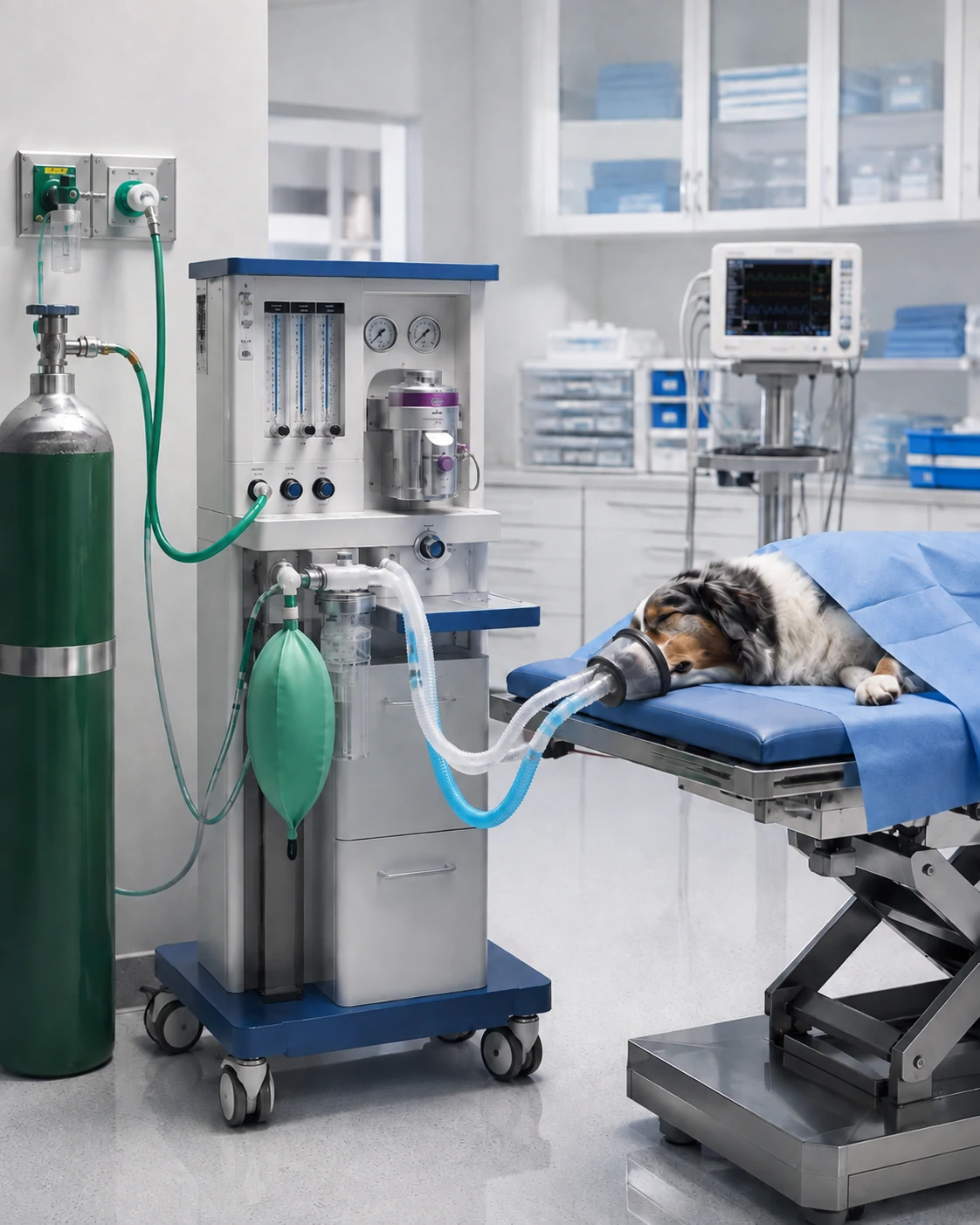
Animal Size & Procedure
Weight and procedure affect breathing circuits, airway accessories and anesthesia-
support requirements.
Oxygen Source
Confirm pressure, flow and interfaces before matching the anesthesia system.
Breathing Circuit
Select circuits and related accessories for the intended animal-size range and workflow.
Vaporizer Compatibility
Match vaporizer and anesthesia-system configuration to the selected equipment and intended use.
Ventilation Requirements
Ventilation is procedure-dependent and is not assumed to be required for every surgery room.
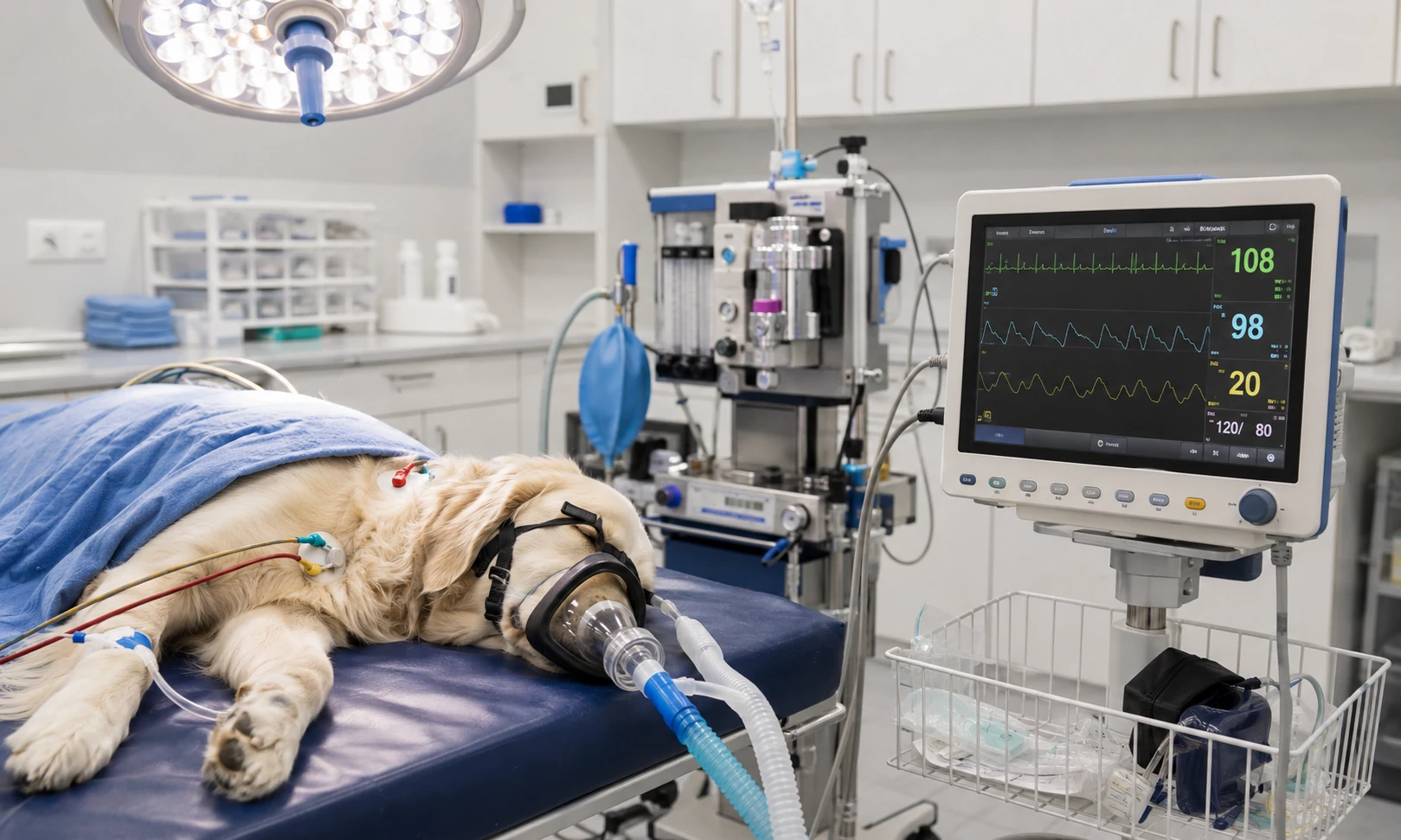
Patient Monitoring During Anesthesia & Surgery
Monitoring requirements should follow the planned anesthesia and surgical capability rather than a fixed monitor specification.
Enhanced monitoring: EtCO₂ / capnography and other options can be reviewed according to anesthesia, ventilation and procedure requirements.
Also review: animal size, veterinary cuffs/probes, existing monitor and procedure requirements.
Procedure Support Equipment
Different procedures require different levels of support. These categories should be added according to the actual surgical workflow.
Electrosurgical Unit
Supports cutting and coagulation for procedures where electrosurgery is appropriate. Required modes and capacity belong at product-selection stage.
Suction Equipment
Supports procedures requiring removal of fluids or secretions. Configuration depends on surgical application and workflow.
Infusion & Syringe Pumps
Support controlled fluid or medication delivery where required by anesthesia or surgical workflow.
Surgical Instrument Sets
General surgery, spay/neuter and specialty procedures may require different instrument sets.
Core Veterinary Surgery Room Equipment
Animal movement, positioning and detector access should be considered before the final equipment configuration is confirmed.
Orthopedic Surgery
Select procedure-specific instruments and supporting equipment for confirmed orthopedic applications.
Arthroscopy / Endoscopy
Review scopes, accessories, trained users and room conditions according to intended procedures.
Image-Guided Procedures
Review imaging application, table compatibility, equipment movement and room space.
Enhanced Anesthesia & Monitoring
Ventilation, capnography and other monitoring options can be added after procedure requirements are confirmed.
Selection factors: Procedure · Animal Size · Surgical Volume · Trained Users · Existing Equipment · Room Conditions · Compatibility · Product Availability
Patient Monitoring During Anesthesia & Surgery
Monitoring requirements should follow the planned anesthesia and surgical capability rather than a fixed monitor specification.
Image-Guided Procedures
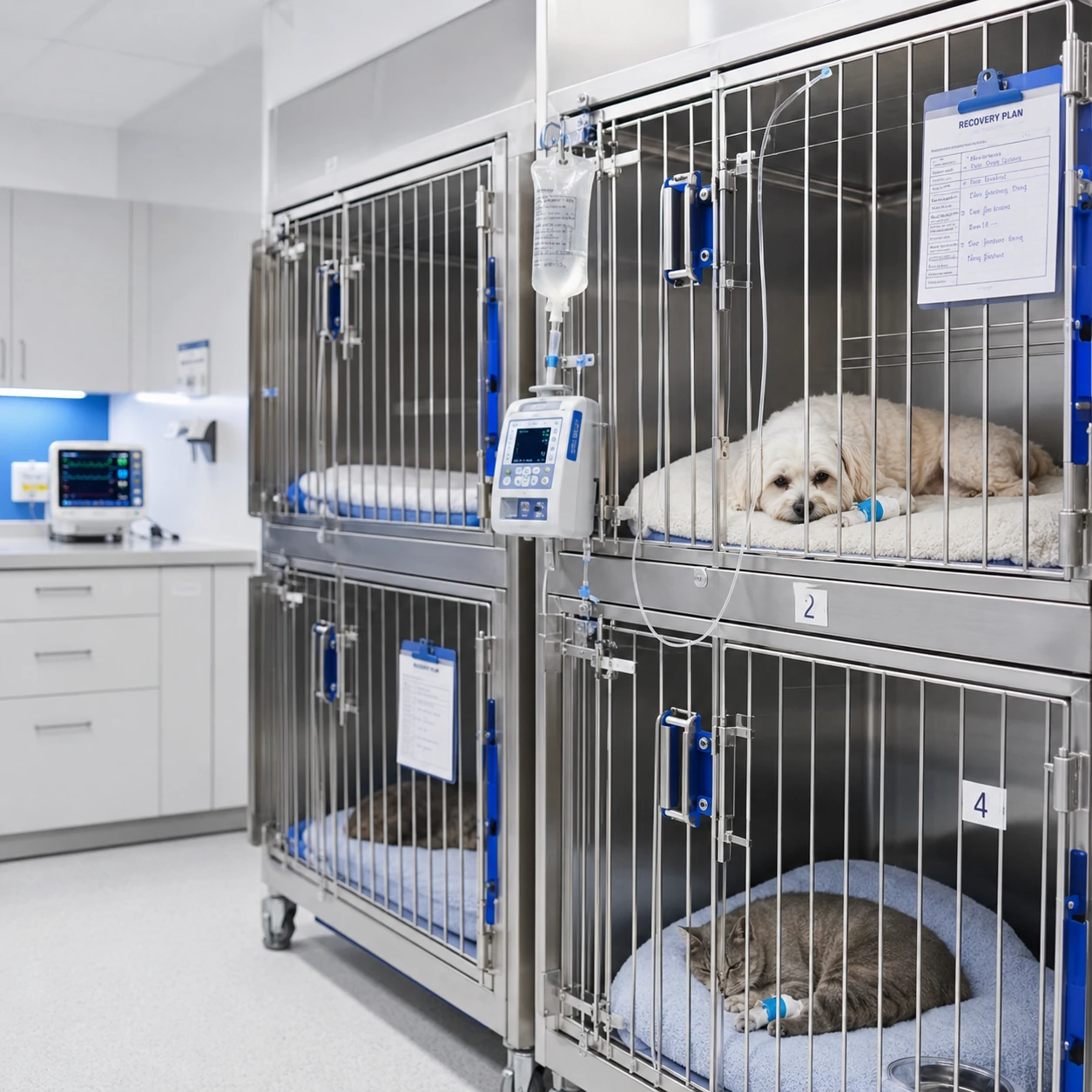
Suitable recovery cage or observation
area
Warming support
Continued observation
Monitoring where appropriate
Additional Support
Oxygen support
Additional monitoring
Longer postoperative observation
Critical-care or ICU capability is not automatically assumed as part of a routine veterinary surgery-room configuration.
What We Review Before Recommending Your Setup
These inputs help turn a general equipment list into a matched room-level configuration.
Planned Surgical Services
Procedure type and expected surgical volume
Animal Profile
Species and weight range
Anesthesia & Oxygen
Source, pressure, flow, circuits and interfaces
Monitoring
Required parameters and veterinary accessories
Room & Utilities
Dimensions, access, power and ventilation/exhaus
Existing Equipment
Existing EquipmentWhat can remain and what must interface
Specialty Requirements
Procedures, trained users and compatibility
Project Stage
New room, expansion or equipment upgrade
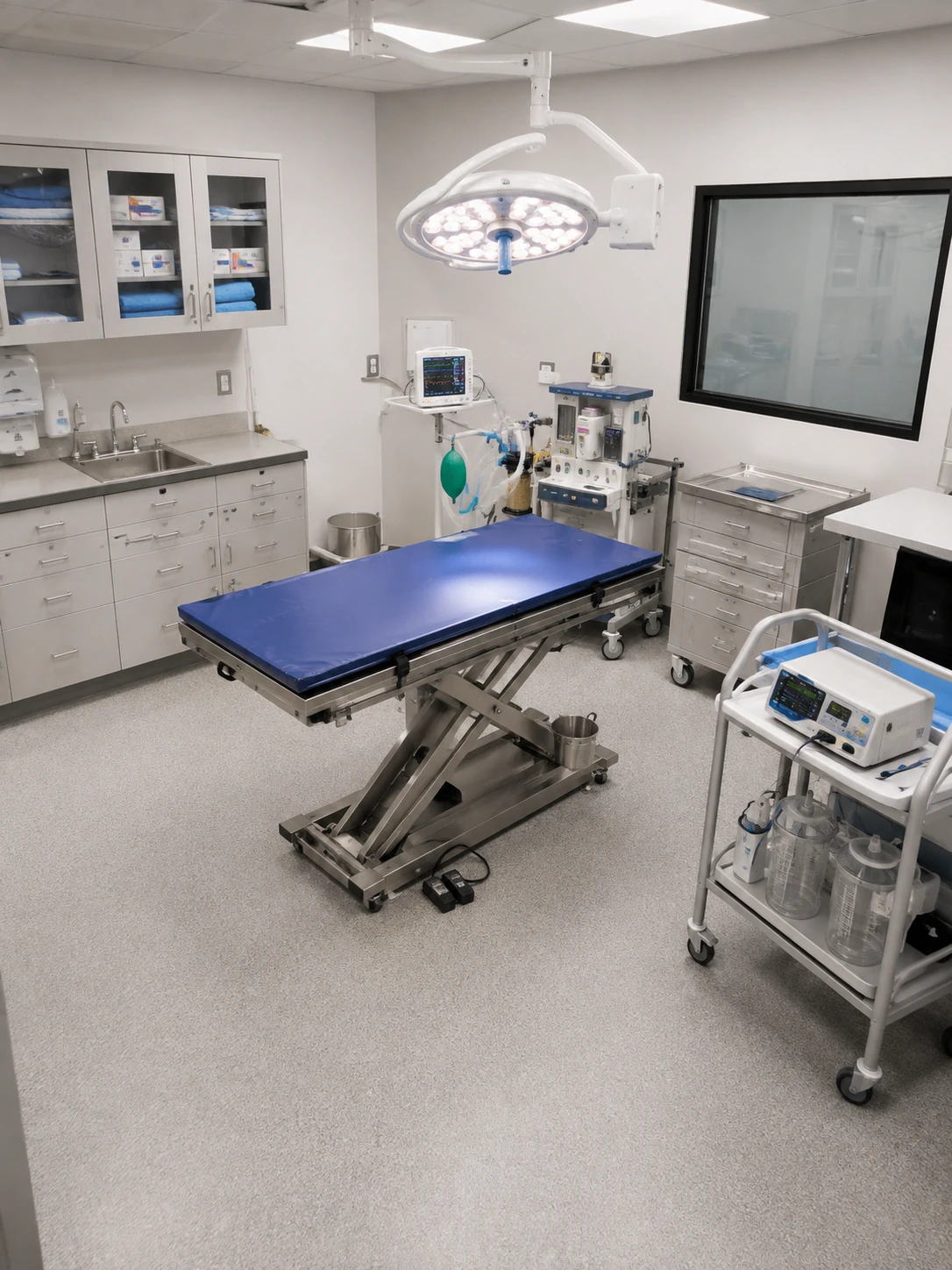
Patient Monitoring During Anesthesia & Surgery
Monitoring requirements should follow the planned anesthesia and surgical capability rather than a fixed monitor specification.
Surgical-light coverage
Check illumination position relative to the operating table.
Anesthesia-equipment access
Allow practical airway and anesthesia access without obstructing movement.
Monitor visibility
Position monitoring where it can be observed during the procedure.
Supporting equipment access
Plan suction, electrosurgery and trolley access according to workflow.
Utilities
Confirm power, oxygen access and relevant ventilation or exhaust conditions before final matching.
Selection factors: Procedure · Animal Size · Surgical Volume · Trained Users · Existing Equipment · Room Conditions · Compatibility · Product Availability
Why Choose MeCan Vet?
Reduce configuration risk by reviewing surgery-room equipment as a coordinated system rather than isolated products.
Procedure-Based Matching
Configure equipment around procedures, animal size, surgical volume and existing capability.
Anesthesia & Monitoring Coordination
Review oxygen, breathing circuits, monitoring and related interfaces within the same configuration.
Multi-Category Equipment Supply
Coordinate surgery, anesthesia, monitoring, procedure support, sterilization and recovery equipment.
Equipment-Side Project Support
Review confirmed room conditions and interfaces to support matching, quotation and supply coordination.
Established in 2011 ISO-Certified Quality Management System 5,000+ Customers

Multi-Department Animal Hospital Expansion — Dominican Republic
A veterinary hospital in the Dominican Republic selected MeCan Vet equipment across multiple clinical areas, including X-ray, ultrasound, surgery-room and ophthalmic equipment. The project was supplied in several stages to support the hospital's broader clinical expansion. The surgery-room equipment was successfully delivered, installed into the hospital workflow and put into use.
4 Orders
Multi-stage equipment supply
4 Clinical Areas
X-ray · Ultrasound · Surgery · Ophthalmic
1 Animal Hospital
Multi-department expansion
Delivered & In Use
Equipment successfully put into operation
Get a Recommended Veterinary Surgery Room Setup
Share what you already know. You do not need a complete technical specification to start.
You Will Receive
Recommended surgery-room configuration
Anesthesia, monitoring and interface review
Quotation and technical follow-up
Core and procedure-dependent equipment priorities
Not sure about equipment names? Choose “Need Recommendation” and describe the procedures you plan to perform.