
Subscribe to our Newsletter


Model No: MCL0371
Clinical Helicobacter Pylori Analyzer
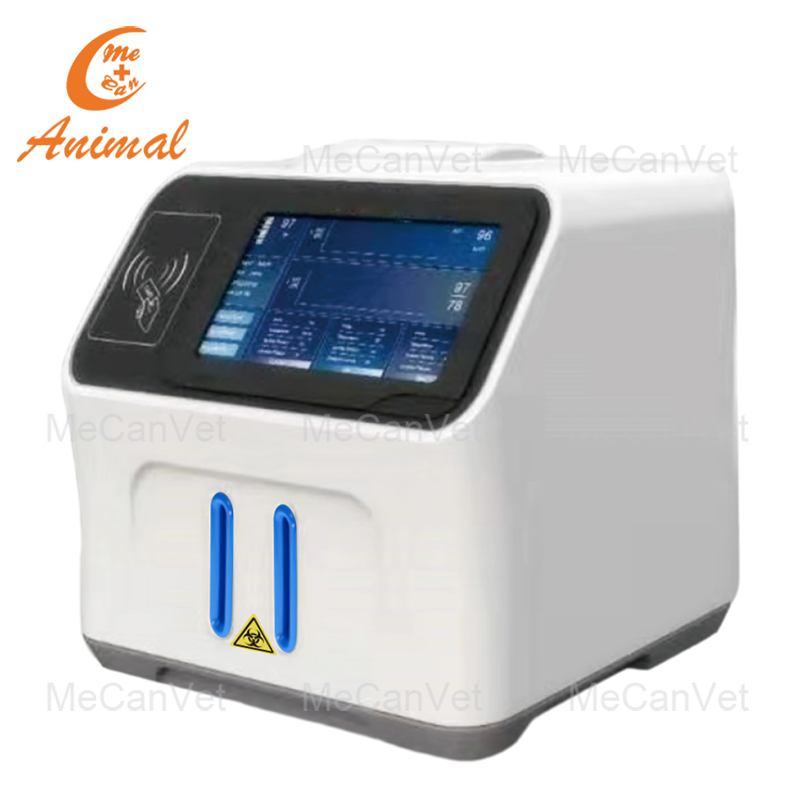
The MCL0371 Helicobacter Pylori Analyzer is an advanced clinical instrument designed for the rapid and accurate detection of Helicobacter pylori infection.
Quantity :
Clinical Helicobacter Pylori Analyzer
MCL0371
Clinical Helicobacter Pylori Analyzer Overview:
The Helicobacter Pylori Analyzer is an advanced clinical instrument designed for the rapid and accurate detection of Helicobacter pylori infection. Utilizing innovative technology, this analyzer offers dual-channel functionality, enabling simultaneous testing of two samples without the need for quenching correction. With automatic diagnosis and fault detection capabilities, it provides reliable results with minimal user intervention.
Key Features:
- Dual Channels: The analyzer features dual channels, allowing for the simultaneous measurement of two samples, enhancing efficiency and throughput.
- Automatic Diagnosis: It automatically provides six types of diagnosis results for both Duodenal Bulb Pathological Manifestation (DPM) and Helicobacter pylori (HP) infection, including negative, uncertain, and four levels of positive results.
- Fault Diagnosis: Automatic fault diagnosis ensures the reliability of test results by identifying and flagging any potential issues during the testing process.
- Background Count Deduction: The analyzer automatically deducts background counts, ensuring accurate measurement results.
- Data Printing: Measurement data can be automatically printed using the integrated thermal micro printer, facilitating record-keeping and documentation.
- User-Friendly Interface: An 8-inch LCD touch screen displays the operation interface and allows for easy input of patient information, enhancing usability and workflow efficiency.
- Upgradability: The analyzer can be upgraded and connected to the user's computer system for mass data management. It is compatible with standard printers for printing formatted reports and can be integrated with hospital LAN, barcode scanners, and Laboratory Information Systems (LIS) or Hospital Information Systems (HIS).


